Samyang AF 35mm f/1.8 P Sony FE
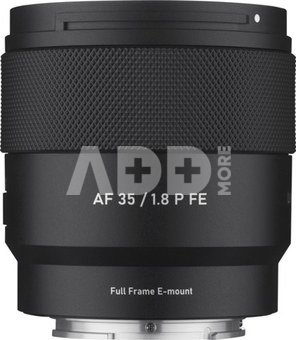
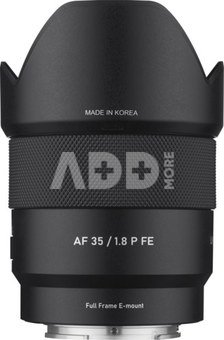
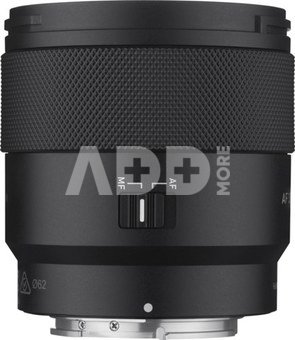
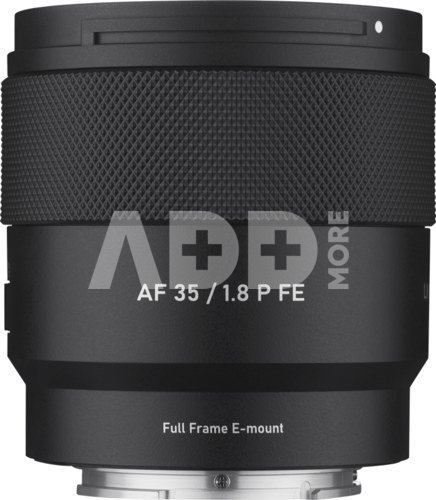
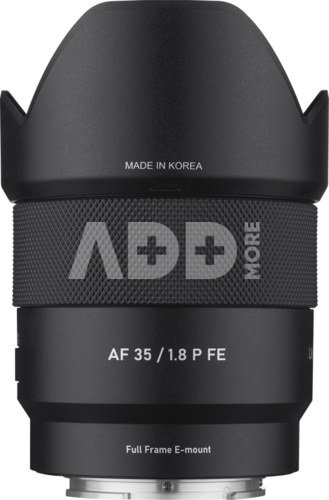
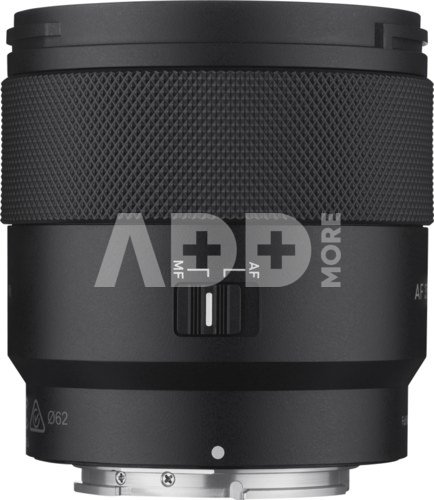
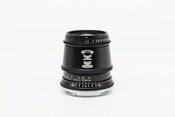
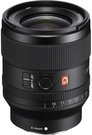
Samyang AF 35mm F1.8 P FE is a compact and lightweight prime lens designed for everyday photography with Sony FE full-frame cameras. With a versatile 35mm focal length, bright F1.8 aperture, and a portable design that measures just 71.5 mm and weighs only 216 g, it is well suited for street photography, travel, portraits, video, and daily creative use.The lens features an advanced optical construction with 10 elements in 8 groups, including 2 aspherical elements and 2 newly developed XHR elements. These Extra High Refractive elements are produced with higher precision than conventional high-refractive index elements, making it possible to create a more compact optical design while effectively reducing aberrations. The result is sharp resolution, improved optical performance, and consistent image quality across the frame.A 9-blade rounded aperture helps create a smooth and natural background blur, while the bright F1.8 aperture makes it easier to work in low light and isolate subjects with a pleasing shallow depth of field. The lens also features UMC II coating, Samyang’s latest coating technology, which suppresses flare and ghosting more effectively and helps maintain contrast and clarity in demanding lighting conditions such as backlight and night scenes.Compact and lightweight 35mm F1.8 prime lens for Sony FE full-frame camerasMeasures 71.5 mm and weighs 216 gAdvanced optical design with 10 elements in 8 groupsIncludes 2 aspherical elements and 2 newly developed XHR elementsXHR elements help reduce aberrations while enabling a smaller optical designUMC II coating reduces flare and ghosting and improves contrast9-blade rounded aperture for smooth, natural bokehLinear STM II autofocus motor for fast, accurate, and quiet focusingWeather sealing for added protection during outdoor useUSB-C port for direct firmware updatesFor fast and reliable focusing, the AF 35mm F1.8 P FE is equipped with a Linear STM II autofocus motor. This system delivers quick, precise, and quiet autofocus performance, making the lens suitable for both still photography and video recording, where smooth focus transitions are especially important.Designed for practical everyday use, the lens includes weather sealing for added protection in light rain, dusty environments, and changing outdoor conditions. It also features a built-in USB-C port for direct firmware updates, allowing users to update the lens easily without additional accessories.
Discuss with a consultant in Kaunas
We don't have
Klaipėda Address: Birželio 23-iosios g. 23g Working hours: I-V 09:00 - 18:00 VI-VII not working Phone: +370 674 59488
Discuss with a consultant in Klaipėda
We don't have
Klaipėda Address: Taikos pr. 17 Working hours: I-V 10:00 - 19:00 VI 10:00 - 14:00 VII not working Phone: +370 604 43972
1. How to choose the right lens for a mirrorless camera?
When choosing the right lens for a mirrorless camera, it is important to consider your photography needs and style. First, decide on the resolution and focusing distance you require. For portraits, lenses with a wide aperture, such as a 50mm f/1.8, are often preferred. If you enjoy landscapes, go for a wide-angle lens (e.g., 24mm). To capture distant objects, telephoto lenses (e.g., 70-200mm) are useful. Another important factor is the lens’s light-gathering ability, which affects performance in low-light conditions. A stabilization system can also be important, especially for longer lenses. It’s important to evaluate the build quality of the lens and the manufacturer's reputation. Try out several lenses and consider your future needs to choose the right and long-lasting investment in your photography.
2. Are all lenses compatible with all mirrorless cameras?
Not all lenses are universal for all mirrorless cameras. Different manufacturers may have different mounts, so it is important to check the lens compatibility with your camera. For example, lenses for Canon, Nikon, Sony, and other manufacturers' mirrorless cameras may not be interchangeable without adapters. It is also important to consider the sensor size. APS-C lenses may be disproportionately large for full-frame cameras. Before purchasing a lens, it is advisable to check the manufacturer's compatibility chart and consider the specific requirements of your camera. Adapters can allow the use of third-party lenses, but there may be some loss in functionality or quality.

















Reviews
0 average rating (0 votes)