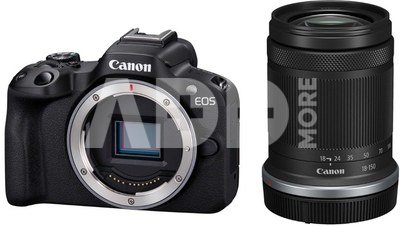
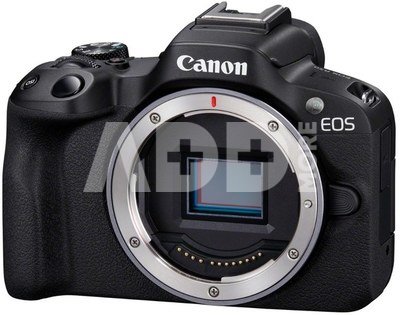
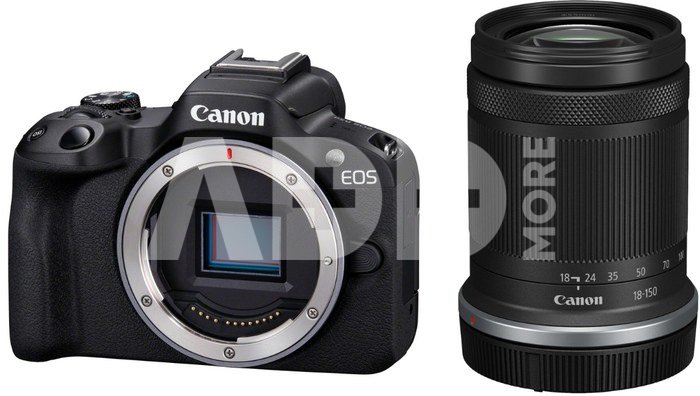
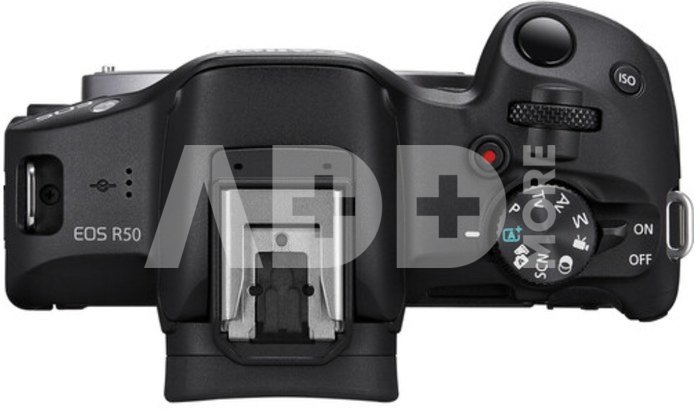
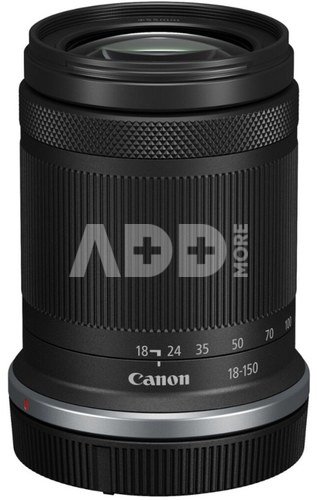
Canon EOS R50 + RF-S 18-150mm F3.5-6.3 IS STM is a compact and highly versatile mirrorless camera kit suitable for travel, everyday photography, portraits, nature, sports and video content creation. Its 24.2 MP APS-C sensor, fast Dual Pixel CMOS AF II autofocus and wide 18-150mm zoom range make it an excellent all-in-one solution for a broad range of shooting situations.
A versatile kit for photography and video
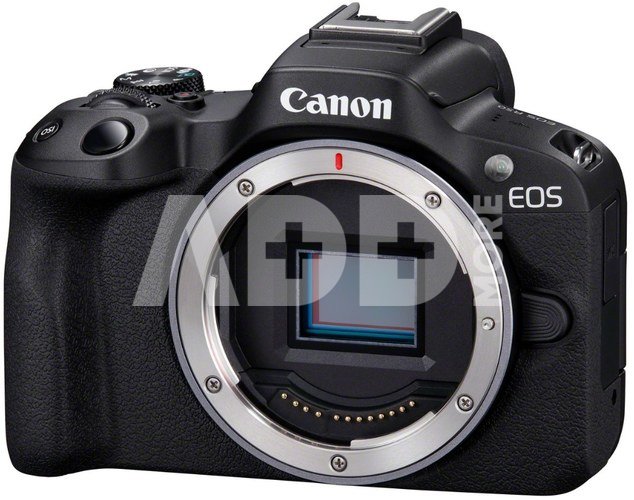
The Canon EOS R50 is designed for users who want an easy-to-use and portable camera while gaining significantly more creative possibilities than a smartphone can provide. Its 24.2-megapixel APS-C CMOS sensor and DIGIC X processor deliver detailed images, natural colours and strong performance in a wide variety of lighting conditions.
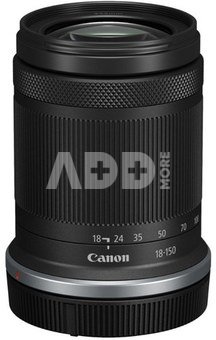
The included Canon RF-S 18-150mm F3.5-6.3 IS STM provides an extremely useful zoom range. On an APS-C camera, it gives an approximately 29-240mm full-frame equivalent field of view, making it suitable for everything from landscapes and travel photography to portraits and distant subjects.
Who is it for?
This kit is ideal for:
travel and everyday photography;
beginners and enthusiast photographers;
family, portrait and event photography;
nature, wildlife and sports;
YouTube, Instagram, TikTok and other video content;
users looking for one versatile lens instead of carrying several lenses.
DIGIC X processor – provides fast image processing and responsive camera operation.
Dual Pixel CMOS AF II – intelligent autofocus can detect and track people, eyes, animals and vehicles.
Up to 15 fps continuous shooting – ideal for capturing movement and fast-changing moments.
4K 30p video – uncropped 4K 30p footage is oversampled from 6K data for high detail.
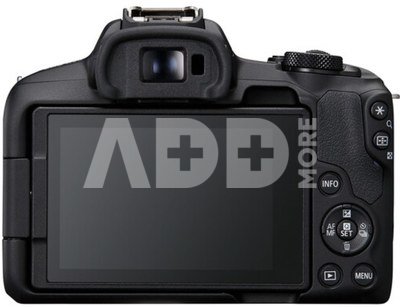
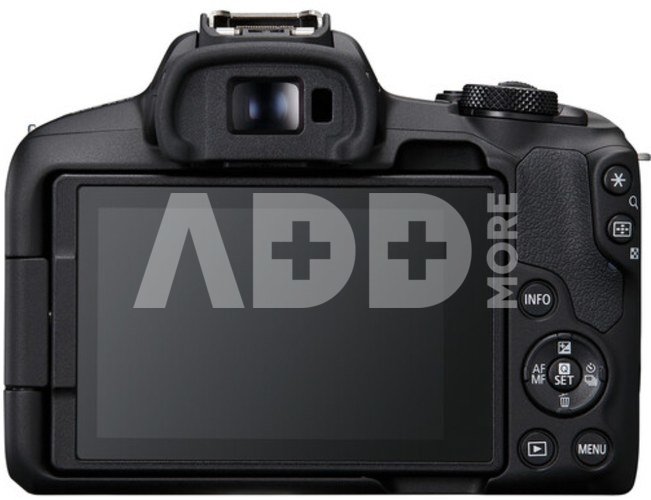
Vari-angle touchscreen – convenient for shooting from unusual angles, vlogging and self-recording.
18-150mm zoom range – covers wide-angle through telephoto in a single compact lens.
Optical image stabilisation – the RF-S 18-150mm provides up to 4.5 stops of optical image stabilisation.
STM autofocus motor – provides fast, smooth and quiet focusing for both photography and video.
Close focusing capability – focuses from as close as 0.17m and offers up to 0.44x maximum magnification with AF.
Comparison with alternatives
Canon EOS R50 + RF-S 18-45mm is smaller and more affordable, but its zoom range is considerably shorter. The RF-S 18-150mm is a better all-round choice for travel and users who prefer not to change lenses frequently.
Canon EOS R10 + RF-S 18-150mm offers more direct controls and is better suited to enthusiast photographers who want greater manual control. The EOS R50 remains smaller and simpler for everyday use and content creation.
Canon EOS R7 + RF-S 18-150mm provides a higher-end body, a 32.5 MP sensor and in-body image stabilisation, but it is larger and more expensive. The EOS R50 offers excellent portability and value.
FAQ
Is the Canon EOS R50 suitable for beginners?
Yes. Its intuitive controls, automatic shooting functions and advanced autofocus system make it an excellent first mirrorless camera.
Is the 18-150mm lens good for travel?
Yes. Its wide zoom range covers landscapes, portraits and distant subjects, reducing the need to carry additional lenses.
Is the EOS R50 suitable for video?
Yes. It records 4K video up to 30p, supports high-frame-rate Full HD recording and offers advanced subject-tracking autofocus.
Does the EOS R50 have in-body stabilisation?
No. The EOS R50 does not feature IBIS, but the RF-S 18-150mm lens has optical image stabilisation.
Can I use it for sports and wildlife?
Yes. Dual Pixel CMOS AF II, subject detection and continuous shooting at up to 15 fps make it suitable for moving subjects.
Specifications
Camera: Canon EOS R50
Type: Mirrorless interchangeable-lens camera
Sensor: APS-C CMOS
Effective resolution: 24.2 MP
Processor: DIGIC X
Lens mount: Canon RF
Autofocus: Dual Pixel CMOS AF II
Continuous shooting: up to 12 fps electronic first curtain / 15 fps electronic shutter
Video: 4K up to 30p, Full HD up to 120p
Display: Vari-angle touchscreen LCD
Viewfinder: Electronic
Memory: SD / SDHC / SDXC, UHS-I
Battery: LP-E17
Wi-Fi / Bluetooth: Yes
In-body stabilisation: No
Lens: Canon RF-S 18-150mm F3.5-6.3 IS STM
Focal length: 18-150mm
35mm equivalent: approx. 29-240mm
Maximum aperture: F3.5-6.3
Lens construction: 17 elements in 13 groups
Aperture blades: 7
Image stabilisation: up to 4.5 stops
Focus motor: STM
Minimum focusing distance: from 0.17m
Maximum magnification: up to 0.44x with AF
Filter size: 55mm
Lens weight: approx. 310g
Lens mount (bayonet)
Canon RF
Image Sensor Size
APS-C
Maximum Resolution6000 × 4000
Discuss with a consultant in Kaunas
We don't haveKlaipėdaAddress: Birželio 23-iosios g. 23gWorking hours: I-V 09:00 - 18:00VI-VII not workingPhone: +370 674 59488
Discuss with a consultant in Klaipėda
We don't haveKlaipėdaAddress: Taikos pr. 17Working hours: I-V 10:00 - 19:00VI 10:00 - 14:00VII not workingPhone: +370 604 43972
Specification
Producer(?)
Link to the official manufacturer website
Canon
Lens mount (bayonet)
Canon RF
Vaizdo sensorius
Image Sensor Size
APS-C
Maximum Resolution
6000 × 4000
Effective pixels
24.2 mln. pixels
Sensor type
CMOS
CPU Type
DIGIC X
Nuotrauka
ISO rating
ISO 100–32000, expandable to 51200
Stabilization System
Yes
Image formats
Raw
, Jpeg
, HEIF
Fokusavimas
Focus
Yes
Focus Points
651
Manual Focus
Yes
Fotoaparato ypatumai
Shutter speed (sec)
30–1/4000 sec.; up to 1/8000 sec. electronic shutter; Bulb
Aperture Priority
Yes
Shutter Priority
Yes
Built-in flash
Yes
External Flash
Yes
Fast shooting
15 frames per second
Timer
Yes
Video įrašas
Video resolution
4K UHD (16:9) 3840 x 2160 (119.9, 100, 59.94, 50, 29.97, 25, 23.98 fps) 3 type of intra or Long GOP
, Full HD (16:9) 1920 x 1080 (239.76, 200, 119.9, 100, 59.94, 50, 29.97, 25, 23.98 fps) Intra frame or Long GOP
1. Which mirrorless camera should I choose for better photo results?
Choosing the right mirrorless camera for better photo results depends on your individual needs and budget. The Sony Alpha a7 III is a popular choice, offering excellent dynamic range and efficient autofocus. The Canon EOS R6 also boasts high technical performance, including powerful image stabilisation. The Nikon Z6 II is another attractive choice with excellent dynamic range and high ISO sensitivity. It's important to consider the features of each model, the choice of lenses and the ability to suit your shooting style. It is recommended to read reviews and test equipment before buying, if possible.
2. What are the advantages of mirrorless cameras compared to DSLR cameras?
The advantages of mirrorless cameras over DSLR cameras include modern technology and lightness. Mirrorless cameras are more compact and lighter, making them more comfortable to carry. They often have a smaller body because they do not have a mirror system, which reduces the overall weight. The use of an electronic viewfinder allows the actual frame to be seen before the picture is taken, thus optimising composition and exposure. Mirrorless cameras have fast autofocus and some models may perform better in low light conditions. They also offer more creative options, including a range of filters and effects. The new generation of lenses offers improved performance and efficiency, contributing to higher quality photos. However, every photographer's needs are different, so it is important to consider your preferences carefully before choosing a camera.
The website uses cookies, which help you ensure quality of service. Continuing browsing, you agree with fotoaparatas.eu cookies policy.Agree


.jpg)
.jpg)


















Reviews
0 average rating (0 votes)