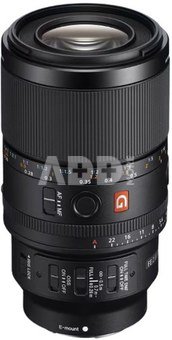
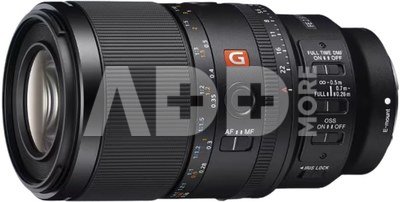
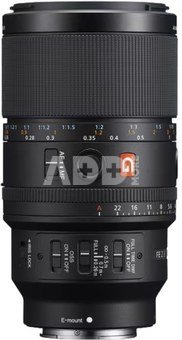
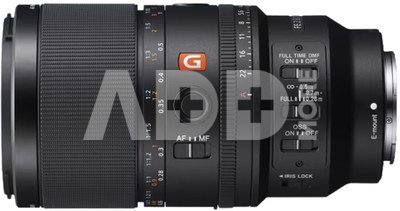
DescriptionSony FE 100mm F2.8 Macro GM OSS description
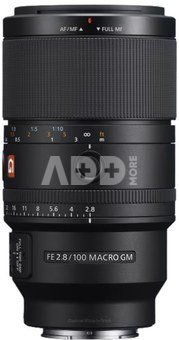
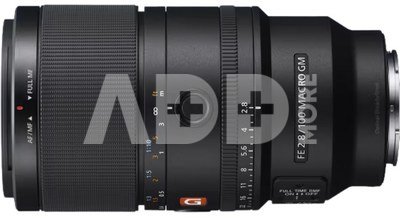
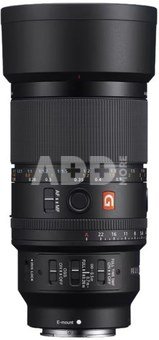
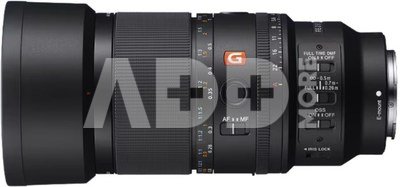
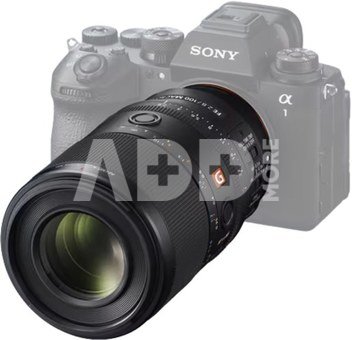
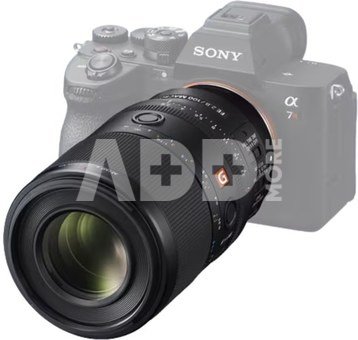
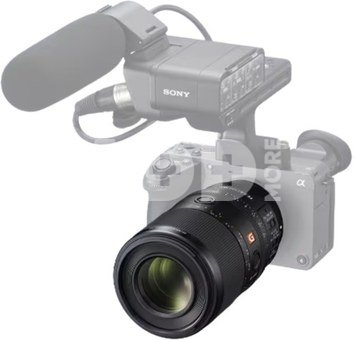
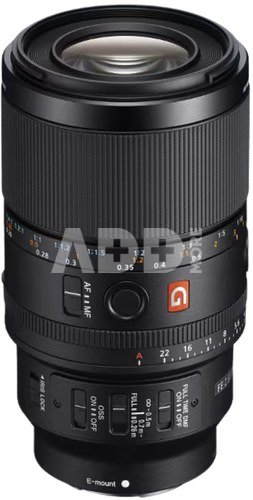
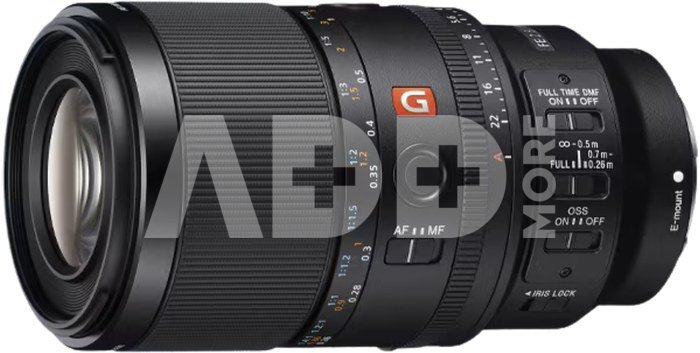
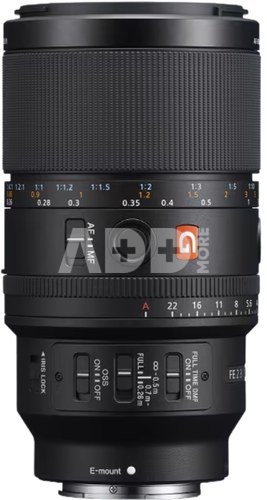
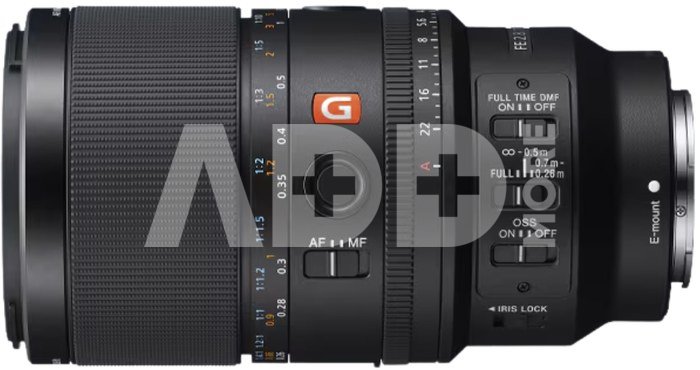
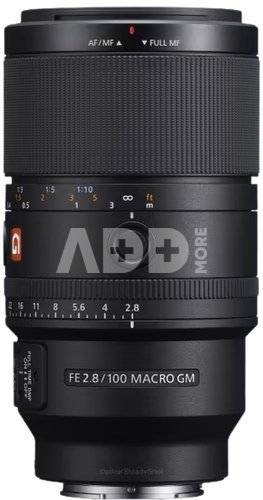
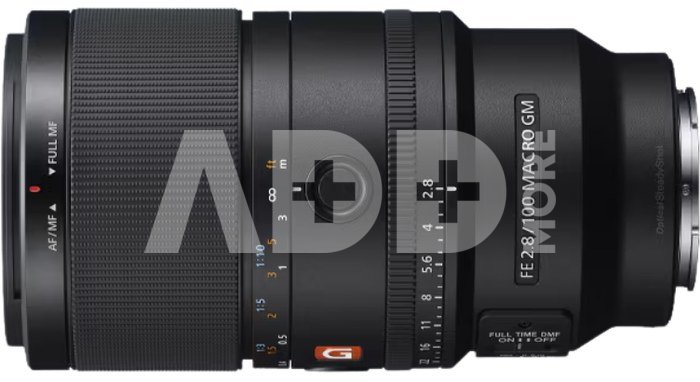
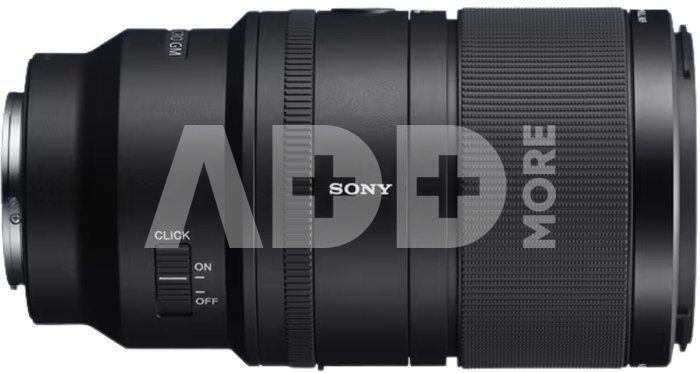
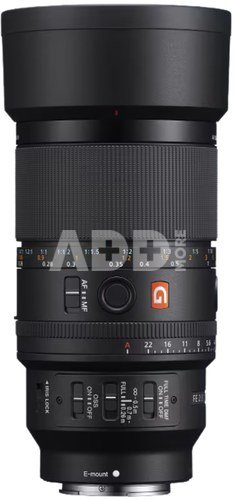
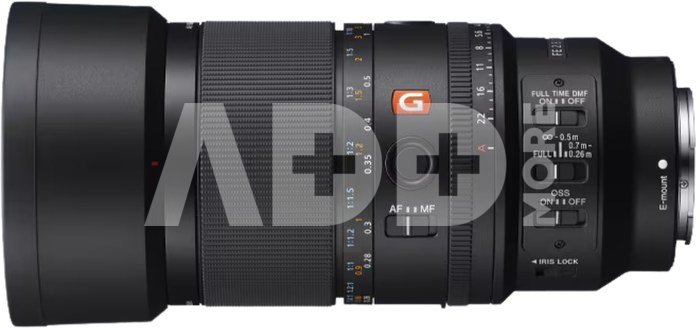
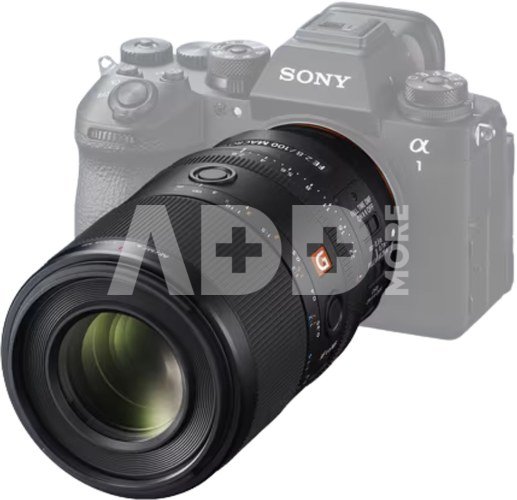
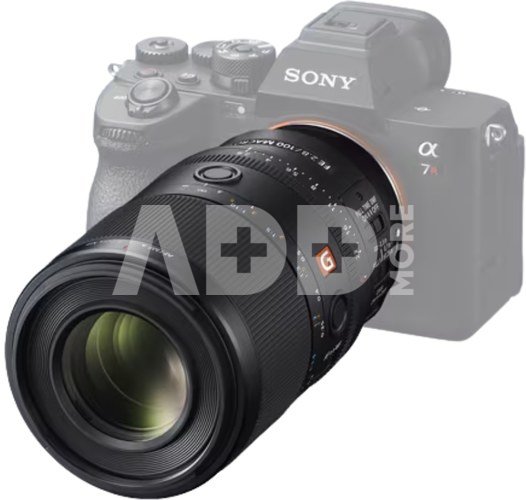
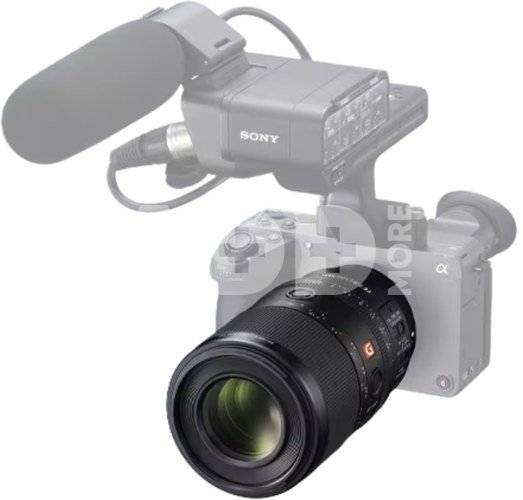
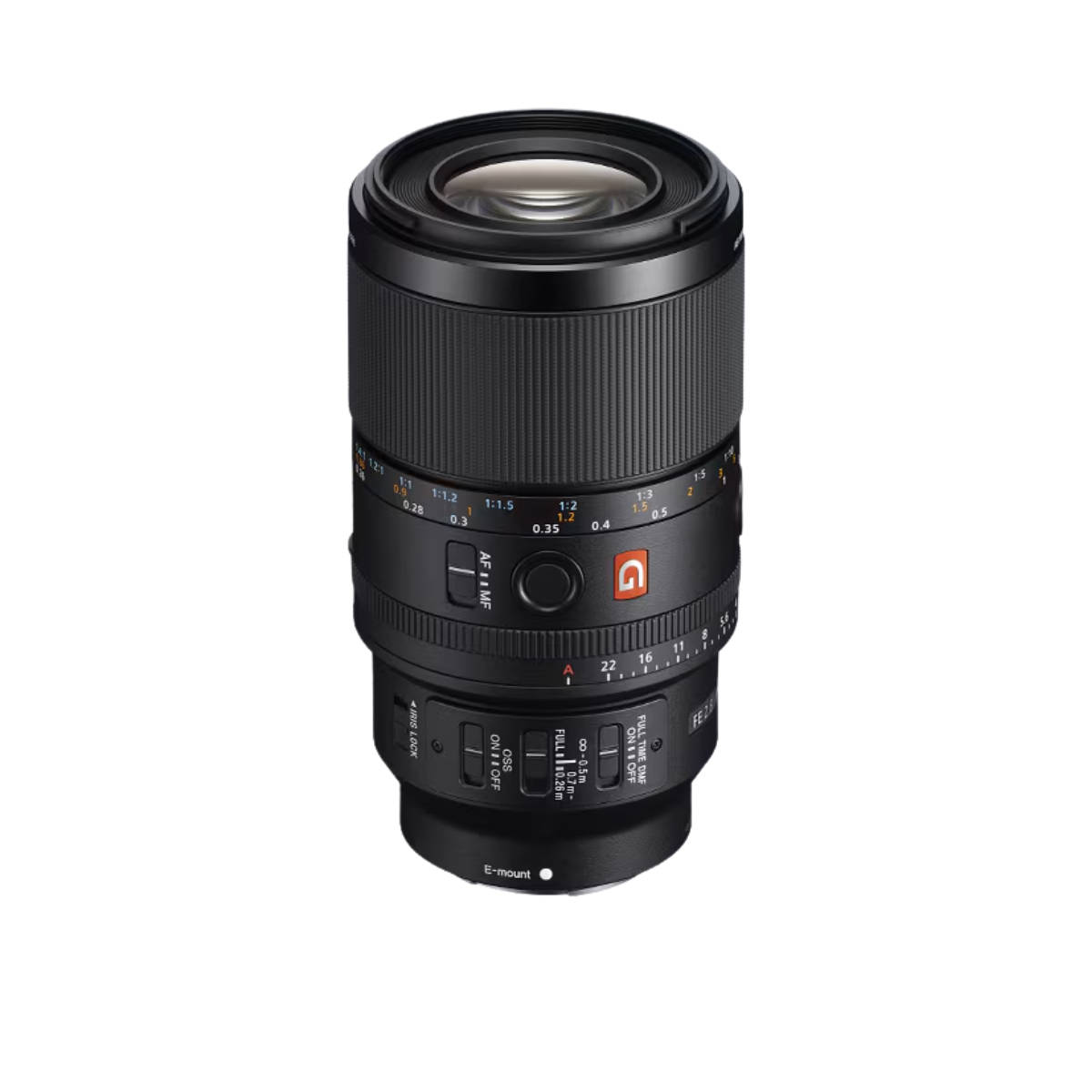
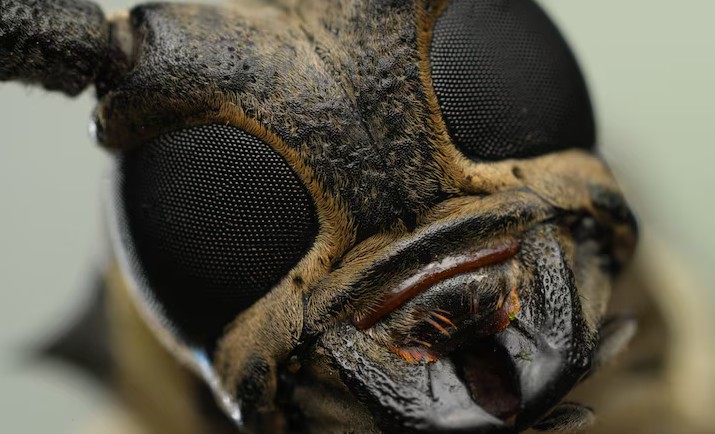
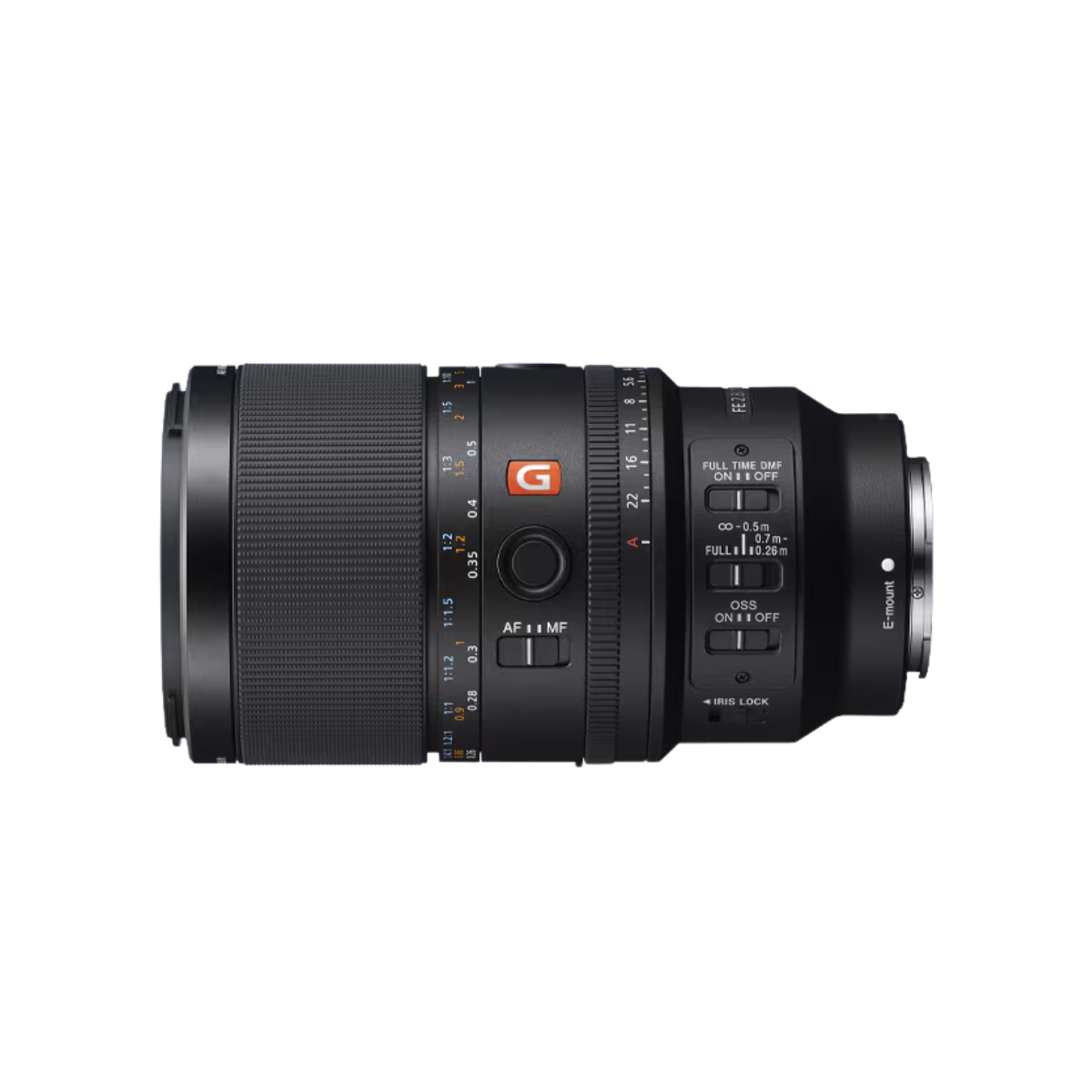
Sony FE 100mm F2.8 Macro GM OSS - 1.4x max. magnification in Sony's first* G Master™ macro lens (*as of the September 2025 product announcement). This versatile 100 mm macro lens offers up to 1.4x magnification, or up to 2.8x with an optional teleconverter. G Master resolution and bokeh contribute to impressive macro captures, while advanced stabilisation and macro-optimised operability deliver unprecedented macro potential for stills and movies. Flowers, insects, and other subjects come alive with normally hidden detail.
UP TO 1.4X MAGNIFICATION, OR 2.8X WITH OPTIONAL TELECONVERTER
Magnification higher than 1:1 and a 0.26 m minimum focus distance make this lens ideal for macro photography. Close-up capability with high magnification makes it possible to capture barely invisible details from fresh perspectives. Teleconverter* support enables up to 2.8x magnification that can reveal new levels of detail and texture while providing ample working distance for a wide range of subjects (*SEL20TC and SEL14TC teleconverters supported. Maximum magnification with SEL20TC is 2.8x).
BREATHTAKING G MASTER RESOLUTION AND BOKEH
Advanced optical design optimises element layout while floating focus minimises aberration variations that are common in macro lenses for high resolution even in extreme close-ups. Nano AR Coating II boosts contrast and clarity by suppressing flare and ghosting. An F2.8 aperture, two XA (extreme aspherical) elements, two ED (Extra-low Dispersion) elements, and an 11-blade aperture add up to gorgeous G Master bokeh.
This superb lens features optical image stabilisation that has been carefully tuned for macro shooting where sharpness is critical, including a new control system that delivers improved angle, shift, and depth control for precise, reliable handheld macro stabilisation (stills only.). Compatible α bodies (Refer to Sony’s support web page for camera compatibility information. Stabilisation effect may vary according to the lens used.) additionally enable lens-body communication that enhances stabilisation for both stills and movies (Active Mode).
FAST, PRECISE, QUIET AF KEEPS THE CREATIVITY FLOWING
Four XD (extreme dynamic) linear motors drive the floating focus group for up to 1.9x faster AF over a wide range in the AF-S mode (Sony tests. Compared to the FE 90mm F2.8 Macro G OSS). Tracking is excellent too, making it easier to shoot fast-moving macro subjects such as bees on flowers. This system easily keeps up with the 120 fps maximum speed of the α9 III (maximum burst speed may vary depending on shooting conditions and lens/body settings). Focus drive is quiet too, so focus noise won’t intrude on the audio track when shooting video.
EXTRA DURABILITY AND RELIABILITY FOR CHALLENGING OUTDOOR CONDITIONS
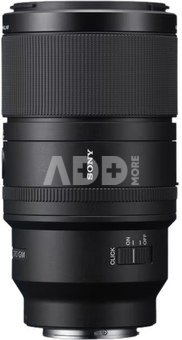
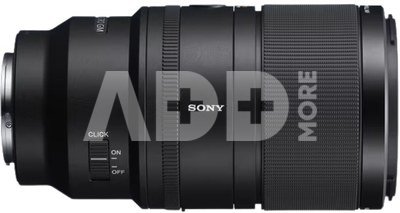
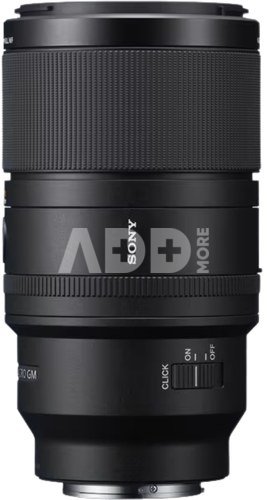
Silicone gaskets around all buttons and switches, a rubber ring seal for the lens mount, and other refinements constitute an effective dust and moisture resistant design that maximises reliability in challenging outdoor conditions (Not guaranteed to be 100% dust and moisture proof). The front lens element has a fluorine coating that repels contaminants and makes them easy to wipe away if they do become attached to the lens surface.
SPECIFICATIONS
Mount: Sony E-mount
Format: 35mm full frame
Focal length: 100 mm
35mm equivalent focal-length (APS-C): 150 mm
Lens Groups / Elements: 13-17
Angle of View (35mm): 24°
Angle of View (APS-C): 16° (with interchangeable-lens digital camera incorporating APS-C type image sensors)
1. How to choose the right lens for a mirrorless camera?
When choosing the right lens for a mirrorless camera, it is important to consider your photography needs and style. First, decide on the resolution and focusing distance you require. For portraits, lenses with a wide aperture, such as a 50mm f/1.8, are often preferred. If you enjoy landscapes, go for a wide-angle lens (e.g., 24mm). To capture distant objects, telephoto lenses (e.g., 70-200mm) are useful. Another important factor is the lens’s light-gathering ability, which affects performance in low-light conditions. A stabilization system can also be important, especially for longer lenses. It’s important to evaluate the build quality of the lens and the manufacturer's reputation. Try out several lenses and consider your future needs to choose the right and long-lasting investment in your photography.
2. Are all lenses compatible with all mirrorless cameras?
Not all lenses are universal for all mirrorless cameras. Different manufacturers may have different mounts, so it is important to check the lens compatibility with your camera. For example, lenses for Canon, Nikon, Sony, and other manufacturers' mirrorless cameras may not be interchangeable without adapters. It is also important to consider the sensor size. APS-C lenses may be disproportionately large for full-frame cameras. Before purchasing a lens, it is advisable to check the manufacturer's compatibility chart and consider the specific requirements of your camera. Adapters can allow the use of third-party lenses, but there may be some loss in functionality or quality.
The website uses cookies, which help you ensure quality of service. Continuing browsing, you agree with fotoaparatas.eu cookies policy.Agree


















Reviews
0 average rating (0 votes)