DescriptionNikon ZR Wedding Videography Kit - Camera, Lens, Gimbal and Other Accessories description
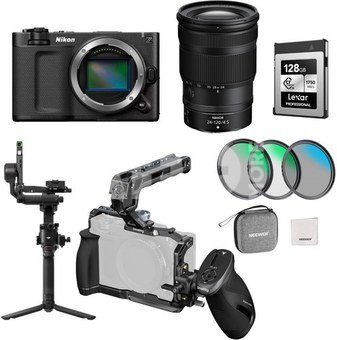
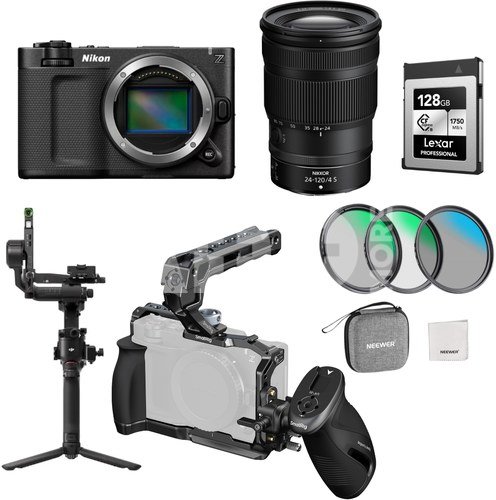
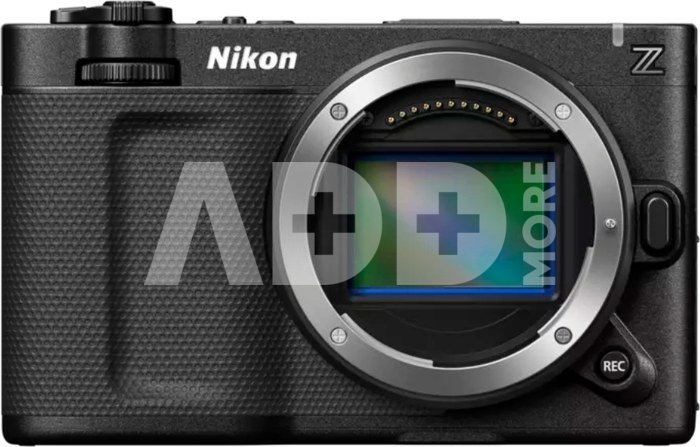
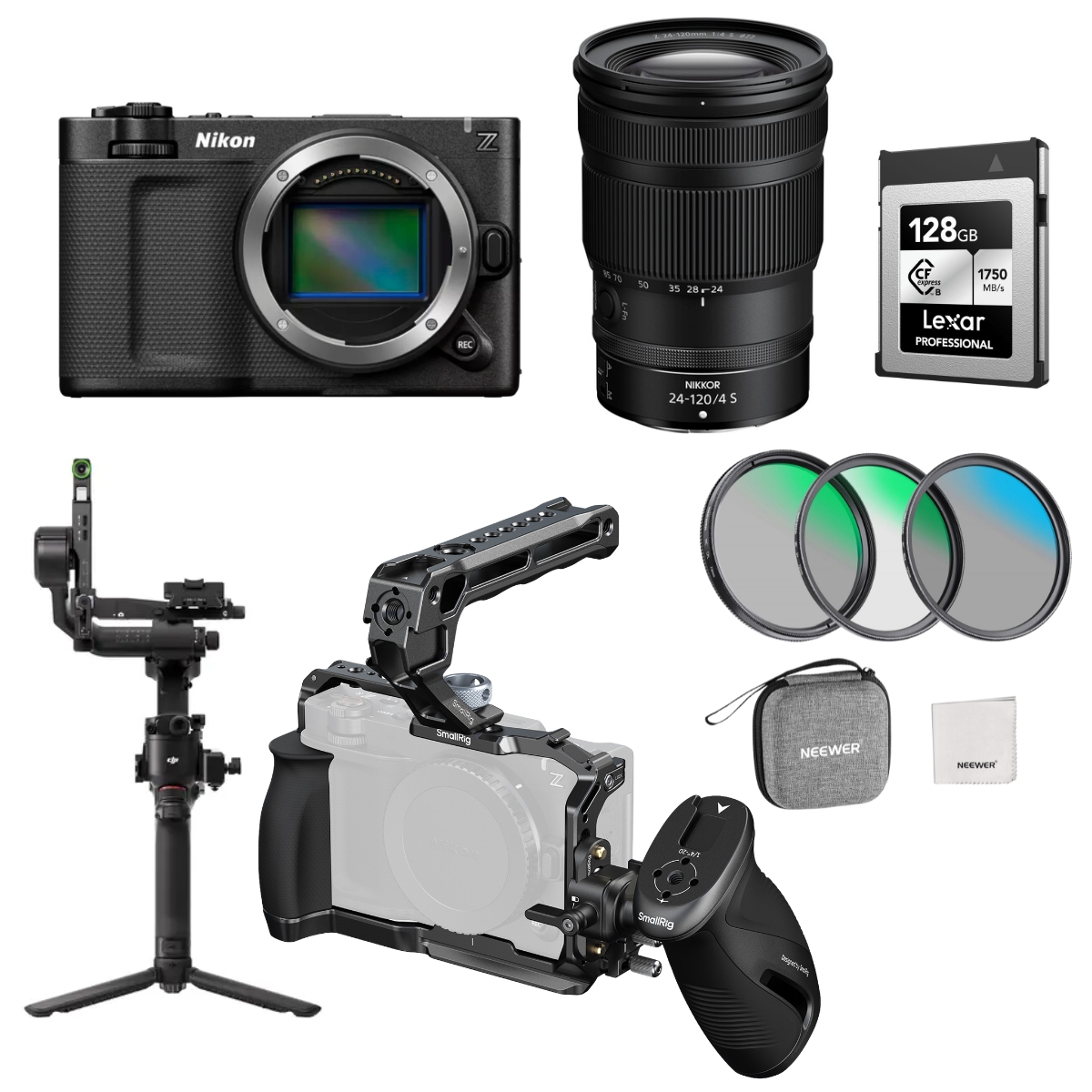
The Nikon ZR Wedding Videography Kit is a professional setup designed for weddings, events and other important occasions. At its core are the full-frame Nikon ZR cinema camera, the versatile NIKKOR Z 24-120mm f/4 S lens and the DJI RS 5 gimbal. The combination covers everything from wide establishing and ceremony shots to portraits and emotional close-ups, while the gimbal provides smooth footage when moving. The Nikon ZR offers internal recording up to 6K/60p, professional RAW codecs, advanced autofocus, in-body image stabilization and 32-bit float audio recording.
Kit includes
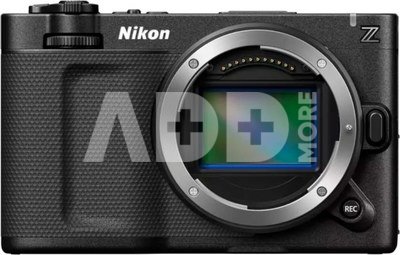
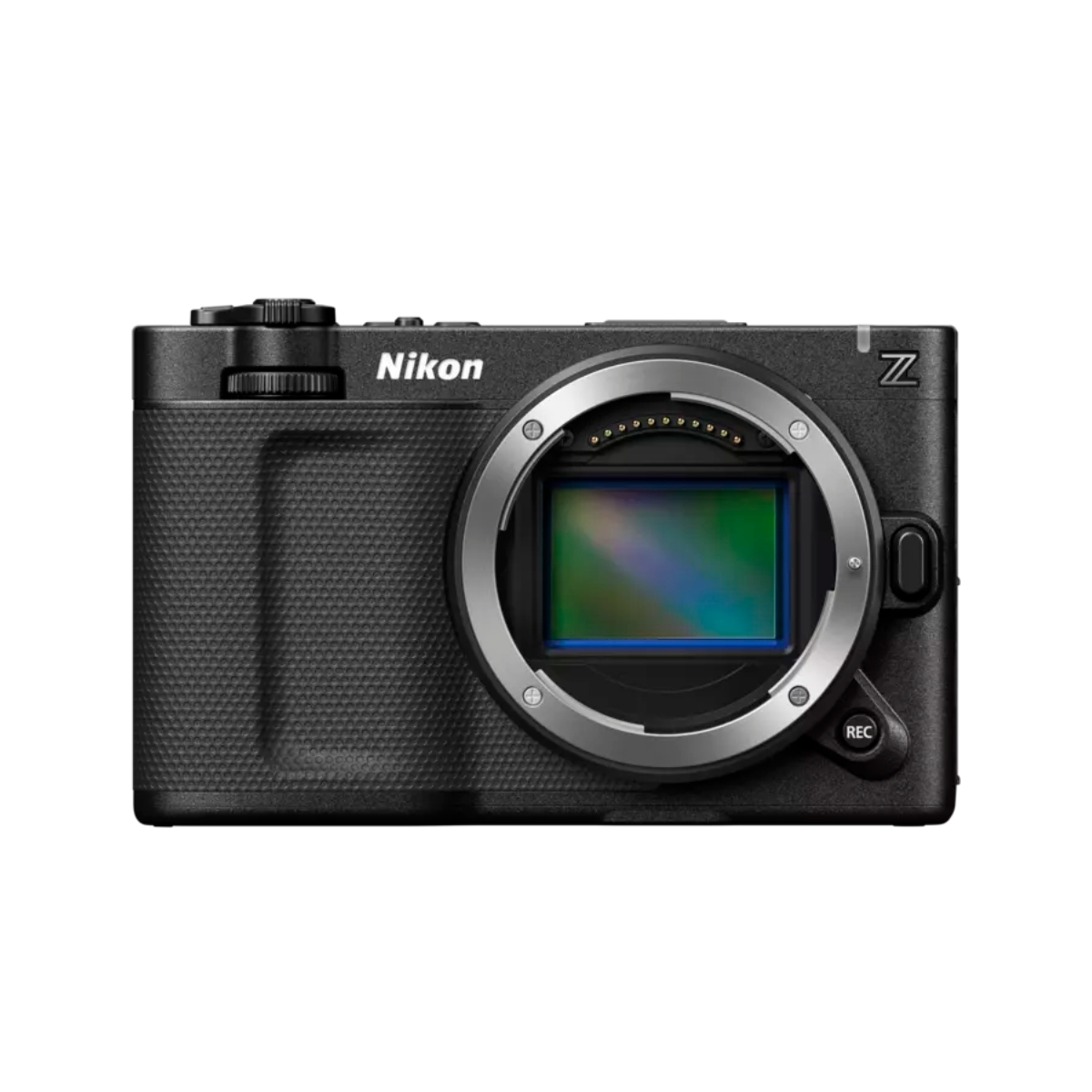
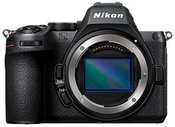
Nikon ZR body – professional 24.5 MP full-frame cinema camera.
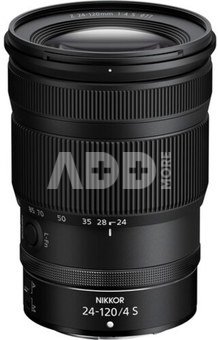
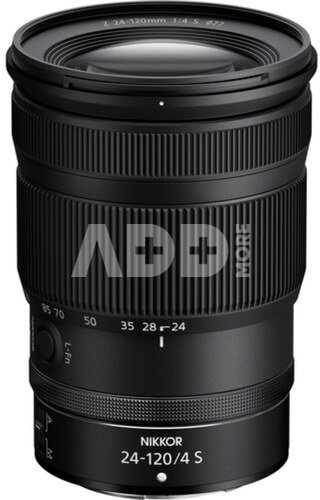
Nikon NIKKOR Z 24-120mm f/4 S – versatile S-Line zoom lens with a constant f/4 aperture.
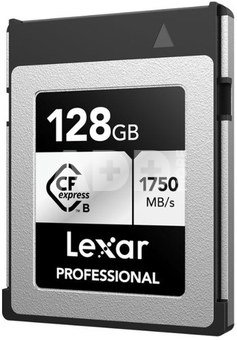
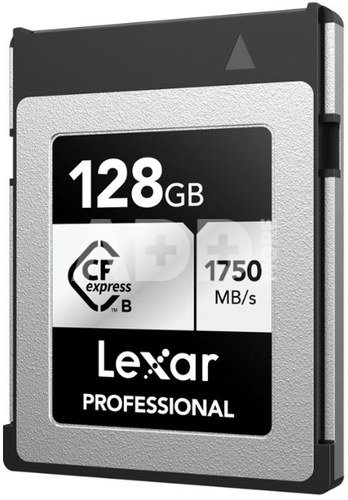
Lexar Professional CFexpress Type B SILVER 128GB R1750/W1300 – high-speed CFexpress Type B memory card.
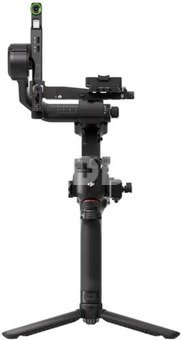
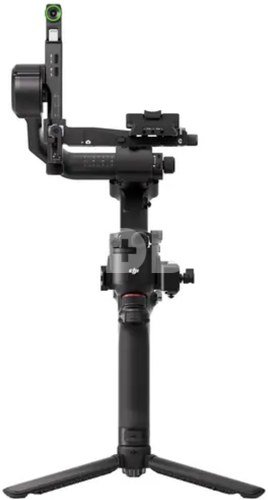
DJI RS 5 – 3-axis camera gimbal with a payload capacity of up to 3 kg.
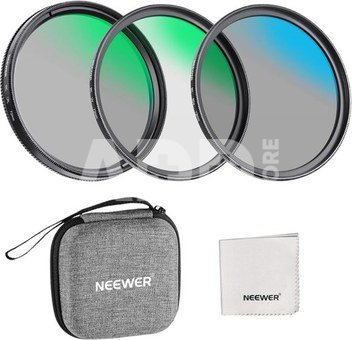
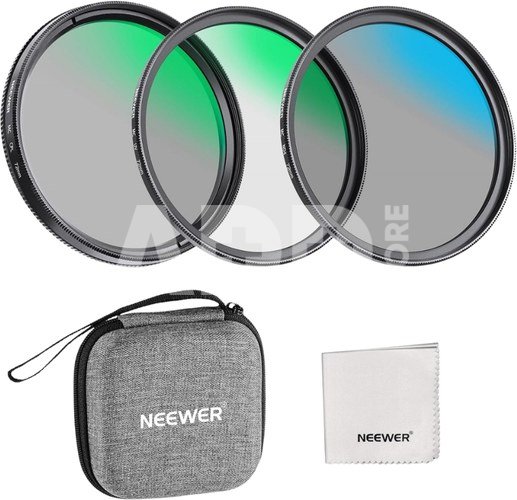
NEEWER NW SERIES A UV + CPL + ND4 72mm Filter Kit – UV, polarizing and ND4 filters with case and cleaning cloth.
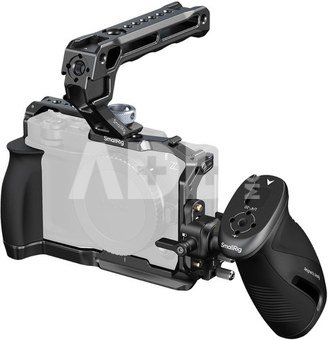
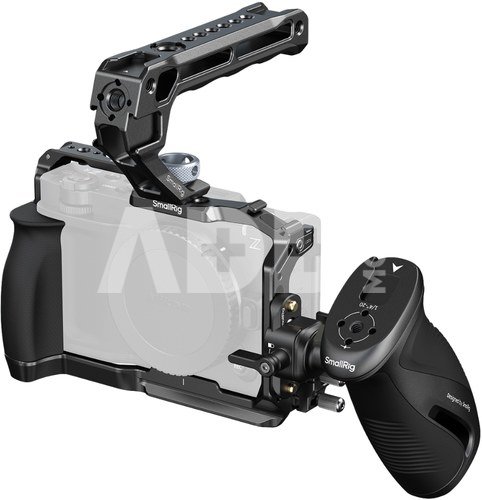
SmallRig 5468 Cage Kit for Nikon ZR Advanced Edition – professional Nikon ZR cage kit with top and side handles and extensive accessory mounting options.
Who is it for?
This kit is designed for wedding videographers, professional filmmakers and event shooters who need to react quickly to constantly changing situations. The 24-120mm focal range is ideal for preparations, ceremonies, portraits, guests, venue shots and evening celebrations. The DJI RS 5 is particularly useful for filming entrances, first dances, moving among guests and creating dynamic follow shots.
Key advantages
24.5 MP full-frame Nikon ZR sensor.
Internal video recording up to 6K/60p.
REDCODE RAW (R3D NE), N-RAW, ProRes RAW HQ and other professional codecs.
More than 15 stops of dynamic range.
Dual base ISO 800/6400.
5-axis in-body stabilization.
Advanced subject and people-tracking autofocus.
32-bit float audio recording.
Versatile 24-120mm focal range.
Constant f/4 aperture throughout the zoom range.
DJI RS 5 for smooth moving footage.
DJI RS 5 payload of up to 3 kg.
SmallRig cage for protection and accessory expansion.
CFexpress Type B media for high-speed recording.
Comparison with alternatives
Compared with a standard camera and 24-70mm zoom kit, this setup provides a much broader 24-120mm focal range. During a wedding, this means fewer lens changes and faster transitions between wide shots, portraits and details. The Nikon ZR is also more video-oriented than a typical hybrid camera, offering advanced RAW recording formats, 32-bit float audio, a large 4-inch display and dedicated cinema-production features. The DJI RS 5 provides significantly smoother moving shots than handheld shooting alone.
FAQ
Is this kit suitable for professional wedding videography?
Yes. The Nikon ZR, 24-120mm lens and DJI RS 5 provide a highly versatile foundation for professional wedding and event filmmaking.
Can most of a wedding day be filmed with the 24-120mm lens?
Yes. 24mm is suitable for wide interiors, ceremonies and establishing shots, while 120mm is useful for portraits, emotions and details from a greater distance.
Does the Nikon ZR have image stabilization?
Yes. It features 5-axis in-body image stabilization, while the DJI RS 5 provides additional stabilization during camera movement.
Does the Nikon ZR have two memory card slots?
Yes. It features a CFexpress Type B / XQD slot and a microSD UHS-I slot.
Is the included Lexar SILVER CFexpress card suitable for the Nikon ZR?
It uses the correct CFexpress Type B format, but for the highest-bitrate RAW recording modes a Nikon-tested professional CFexpress card intended for sustained RAW video recording is recommended.
Do the included 72mm NEEWER filters fit the NIKKOR Z 24-120mm f/4 S?
Not directly. The NIKKOR Z 24-120mm f/4 S uses a 77mm filter thread, so a 77mm filter kit is recommended.
Specifications
Camera: Nikon ZR
Sensor: 24.5 MP full-frame CMOS
Lens mount: Nikon Z
Maximum video resolution: up to 6K/60p
Dynamic range: more than 15 stops
Image stabilization: 5-axis in-body stabilization
Primary media: CFexpress Type B / XQD
Secondary media: microSD UHS-I
Display: 4-inch vari-angle LCD
Audio recording: up to 32-bit float
Lens: NIKKOR Z 24-120mm f/4 S
Focal length: 24-120mm
Maximum aperture: constant f/4
Filter thread: 77mm
Lens weight: approx. 630 g
Gimbal: DJI RS 5
Maximum payload: 3 kg
Memory card: Lexar Professional CFexpress Type B SILVER 128GB
Maximum read speed: up to 1750 MB/s
Maximum write speed: up to 1300 MB/s
Cage: SmallRig 5468 Advanced Edition
Filter kit: NEEWER UV + CPL + ND4, 72mm
Lens mount (bayonet)
Nikon Z mount
Image Sensor Size
35,9 mm x 23,9 mm
Maximum Resolution6048 × 4032
Discuss with a consultant in Kaunas
We don't haveKlaipėdaAddress: Birželio 23-iosios g. 23gWorking hours: I-V 09:00 - 18:00VI-VII not workingPhone: +370 674 59488
Discuss with a consultant in Klaipėda
We don't haveKlaipėdaAddress: Taikos pr. 17Working hours: I-V 10:00 - 19:00VI 10:00 - 14:00VII not workingPhone: +370 604 43972
Specification
Producer(?)
Link to the official manufacturer website
Nikon
Lens mount (bayonet)
Nikon Z mount
Vaizdo sensorius
Image Sensor Size
35,9 mm x 23,9 mm
Maximum Resolution
6048 × 4032
Effective pixels
24.5 mln. pixels
Sensor type
CMOS
CPU Type
EXPEED 7
Nuotrauka
ISO rating
ISO 100–51200, expandable to ISO 204800; R3D NE base ISO 800 / 6400
1. Which mirrorless camera should I choose for better photo results?
Choosing the right mirrorless camera for better photo results depends on your individual needs and budget. The Sony Alpha a7 III is a popular choice, offering excellent dynamic range and efficient autofocus. The Canon EOS R6 also boasts high technical performance, including powerful image stabilisation. The Nikon Z6 II is another attractive choice with excellent dynamic range and high ISO sensitivity. It's important to consider the features of each model, the choice of lenses and the ability to suit your shooting style. It is recommended to read reviews and test equipment before buying, if possible.
2. What are the advantages of mirrorless cameras compared to DSLR cameras?
The advantages of mirrorless cameras over DSLR cameras include modern technology and lightness. Mirrorless cameras are more compact and lighter, making them more comfortable to carry. They often have a smaller body because they do not have a mirror system, which reduces the overall weight. The use of an electronic viewfinder allows the actual frame to be seen before the picture is taken, thus optimising composition and exposure. Mirrorless cameras have fast autofocus and some models may perform better in low light conditions. They also offer more creative options, including a range of filters and effects. The new generation of lenses offers improved performance and efficiency, contributing to higher quality photos. However, every photographer's needs are different, so it is important to consider your preferences carefully before choosing a camera.
The website uses cookies, which help you ensure quality of service. Continuing browsing, you agree with fotoaparatas.eu cookies policy.Agree


















Reviews
0 average rating (0 votes)