Sigma 50mm F2 DG Contemporary L-Mount (Silver)
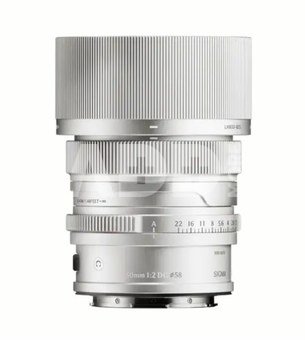
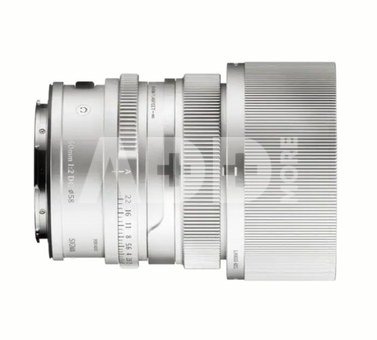
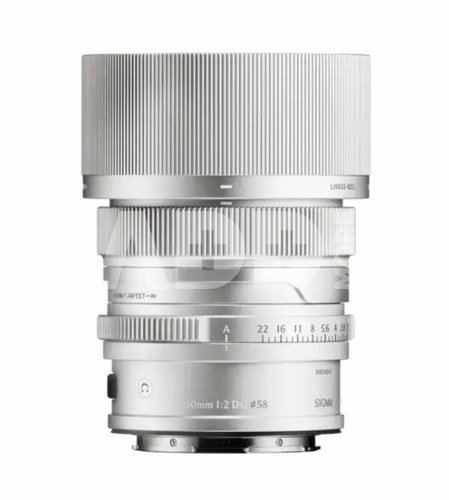
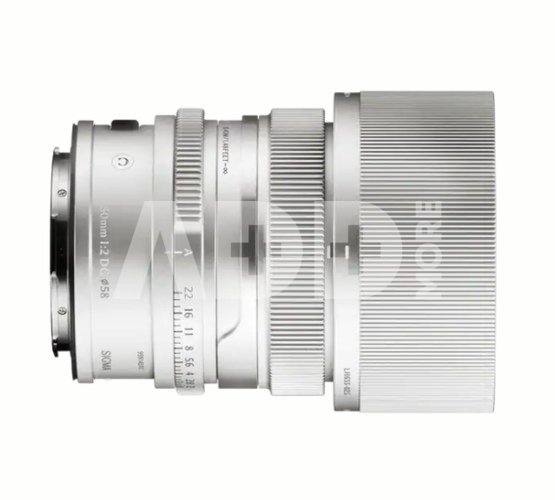
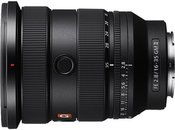
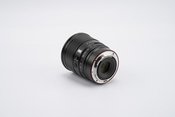
Sigma 50mm F2 DG Contemporary L-Mount (Silver) - the lens is capable of smooth, quiet and high-speed AF made possible by a stepping motor, as well as supports Face/Eye Detection AF and video AF. SIGMA's own Super Multi-Layer Coating suppresses flare and ghosting by preventing reflections with in the lens. All lenses in the current SIGMA range feature this original technology. In digital cameras, flare and ghosting may also be caused by reflections between the image sensor and lens surfaces. Here too, SIGMA's Super Multi-Layer Coating is highly ef fective, assuring images of outstanding contrast.
%201.jpg)
APERTURE RING
Aperture ring, designed to help users work intuitively.
MOUNT WITH DUST AND SPLASH RESISTANT STRUCTURE
The lens mount incorporates rubber sealing to protect the mount from dust and water drops.
SPECIFICATIONS
Angle of view: Standard
Lens Mount: L-Mount
Sensor Size: Full Frame
Construction: 11 elements in 9 groups (1 SLD and 3 aspherical lenses)
Angle of view: 46.8°
Number of diaphragm blades: 9 (rounded diaphragm)
Maximum aperture: F2
Minimum aperture: F22
Minimum focusing distance: 45 cm
Maximum magnification ratio: 1:6.8
Filter diameter: 58 mm
Dimensions (diameter x length): φ70mm × 68mm
Weight: 340 g
Supplied Accessories: Lens Hood LH633-06S, Magnetic Metal Lens Cap LCF58-02 MS, Front Cap LCF-58 IV, Rear Cap LCR III
%202.jpg)
Typ of Sensor
Full frame
Max Aperture
2 F
Min aperture
22 F
Discuss with a consultant in Kaunas
We don't have
Klaipėda Address: Birželio 23-iosios g. 23g Working hours: I-V 09:00 - 18:00 VI-VII not working Phone: +370 674 59488
Discuss with a consultant in Klaipėda
We don't have
Klaipėda Address: Taikos pr. 17 Working hours: I-V 10:00 - 19:00 VI 10:00 - 14:00 VII not working Phone: +370 604 43972
1. How to choose the right lens for a mirrorless camera?
When choosing the right lens for a mirrorless camera, it is important to consider your photography needs and style. First, decide on the resolution and focusing distance you require. For portraits, lenses with a wide aperture, such as a 50mm f/1.8, are often preferred. If you enjoy landscapes, go for a wide-angle lens (e.g., 24mm). To capture distant objects, telephoto lenses (e.g., 70-200mm) are useful. Another important factor is the lens’s light-gathering ability, which affects performance in low-light conditions. A stabilization system can also be important, especially for longer lenses. It’s important to evaluate the build quality of the lens and the manufacturer's reputation. Try out several lenses and consider your future needs to choose the right and long-lasting investment in your photography.
2. Are all lenses compatible with all mirrorless cameras?
Not all lenses are universal for all mirrorless cameras. Different manufacturers may have different mounts, so it is important to check the lens compatibility with your camera. For example, lenses for Canon, Nikon, Sony, and other manufacturers' mirrorless cameras may not be interchangeable without adapters. It is also important to consider the sensor size. APS-C lenses may be disproportionately large for full-frame cameras. Before purchasing a lens, it is advisable to check the manufacturer's compatibility chart and consider the specific requirements of your camera. Adapters can allow the use of third-party lenses, but there may be some loss in functionality or quality.

















Reviews
0 average rating (0 votes)