DescriptionPanasonic Lumix S 24-60mm f/2.8 description
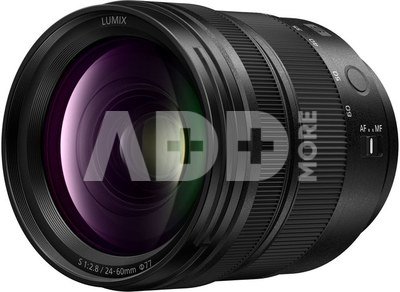
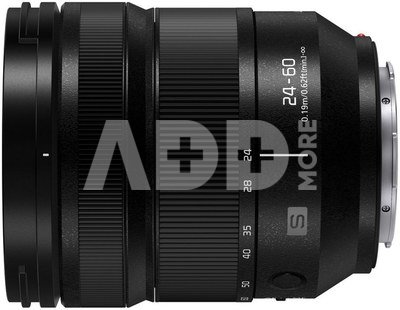
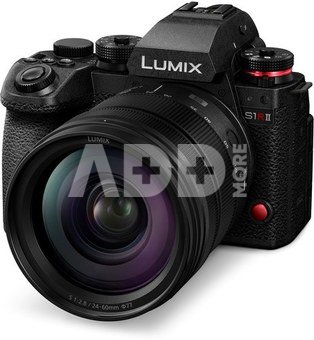
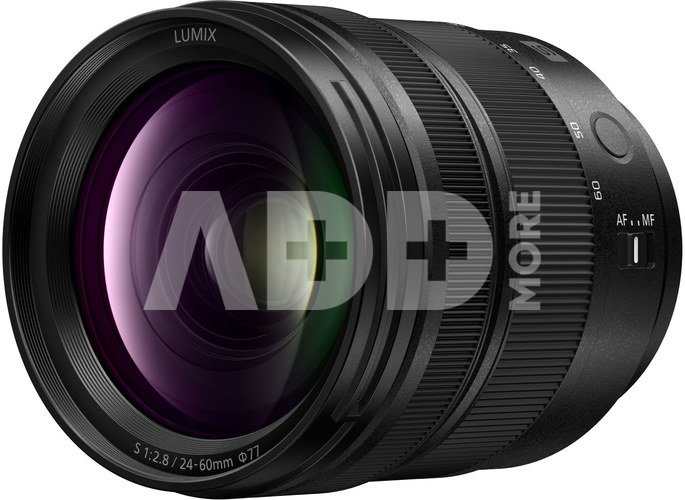
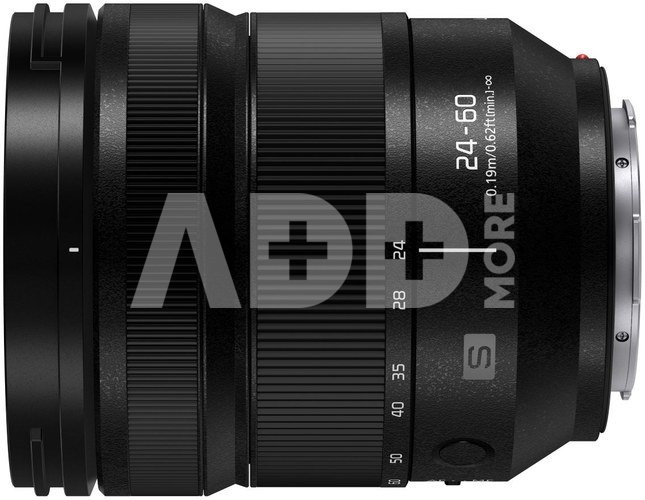
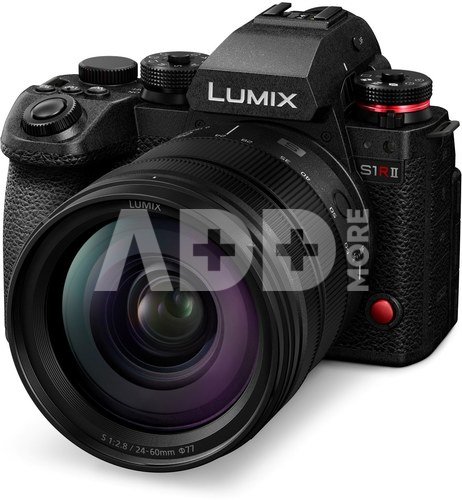
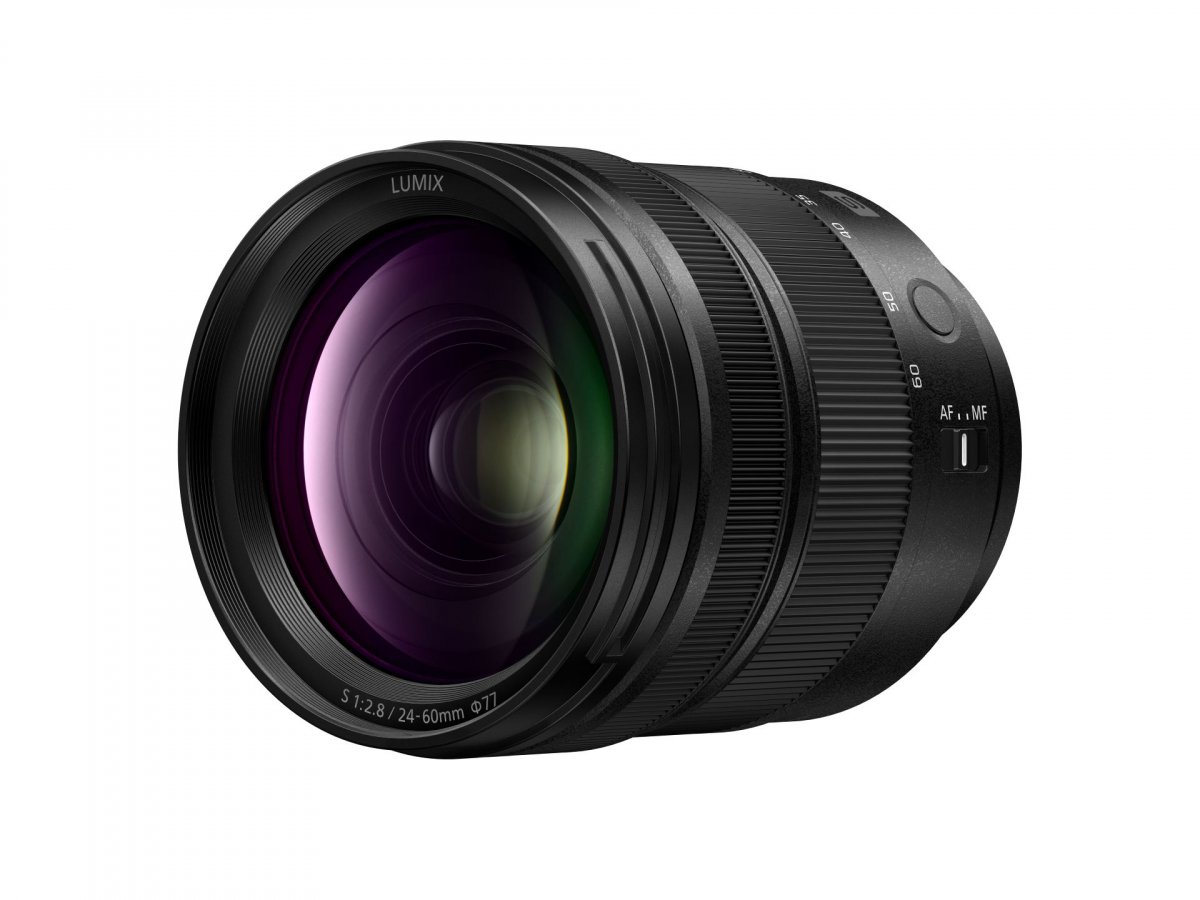
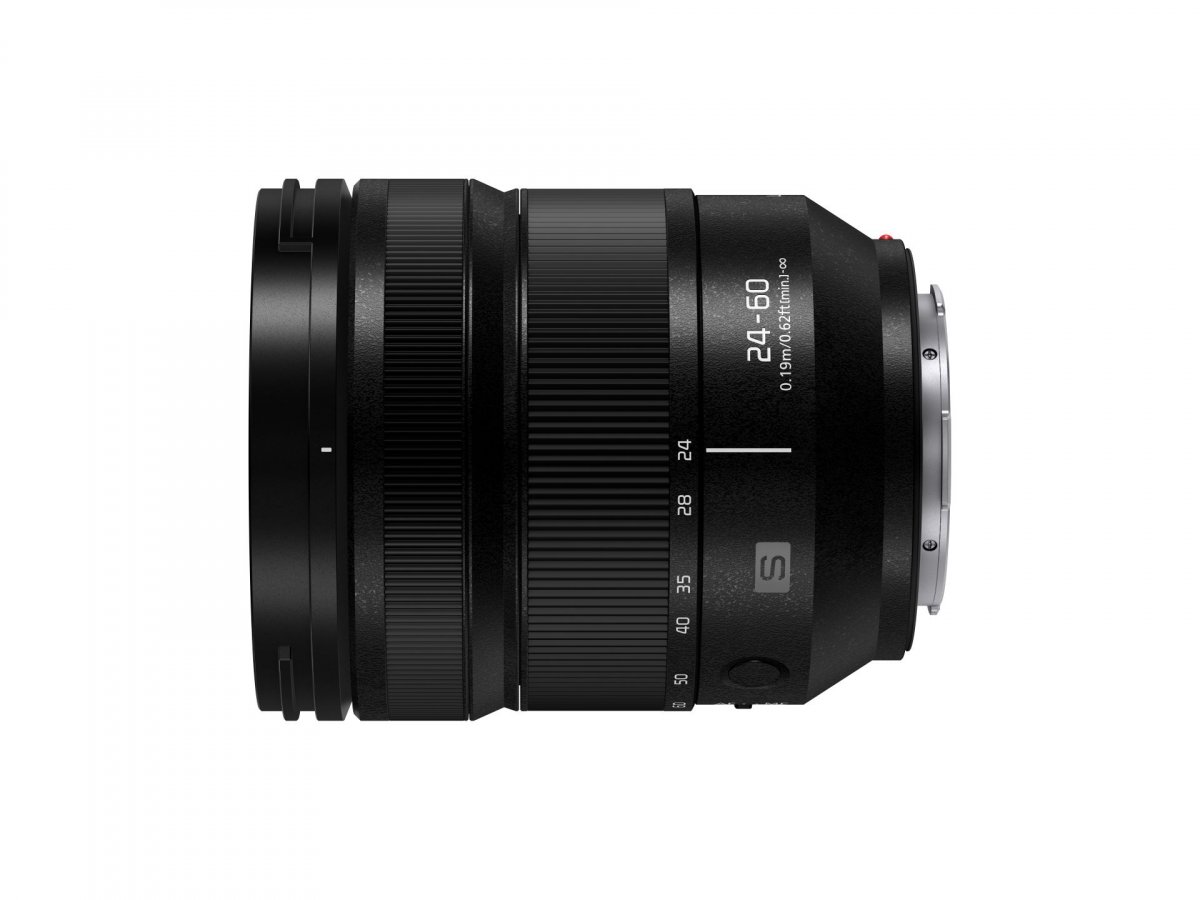
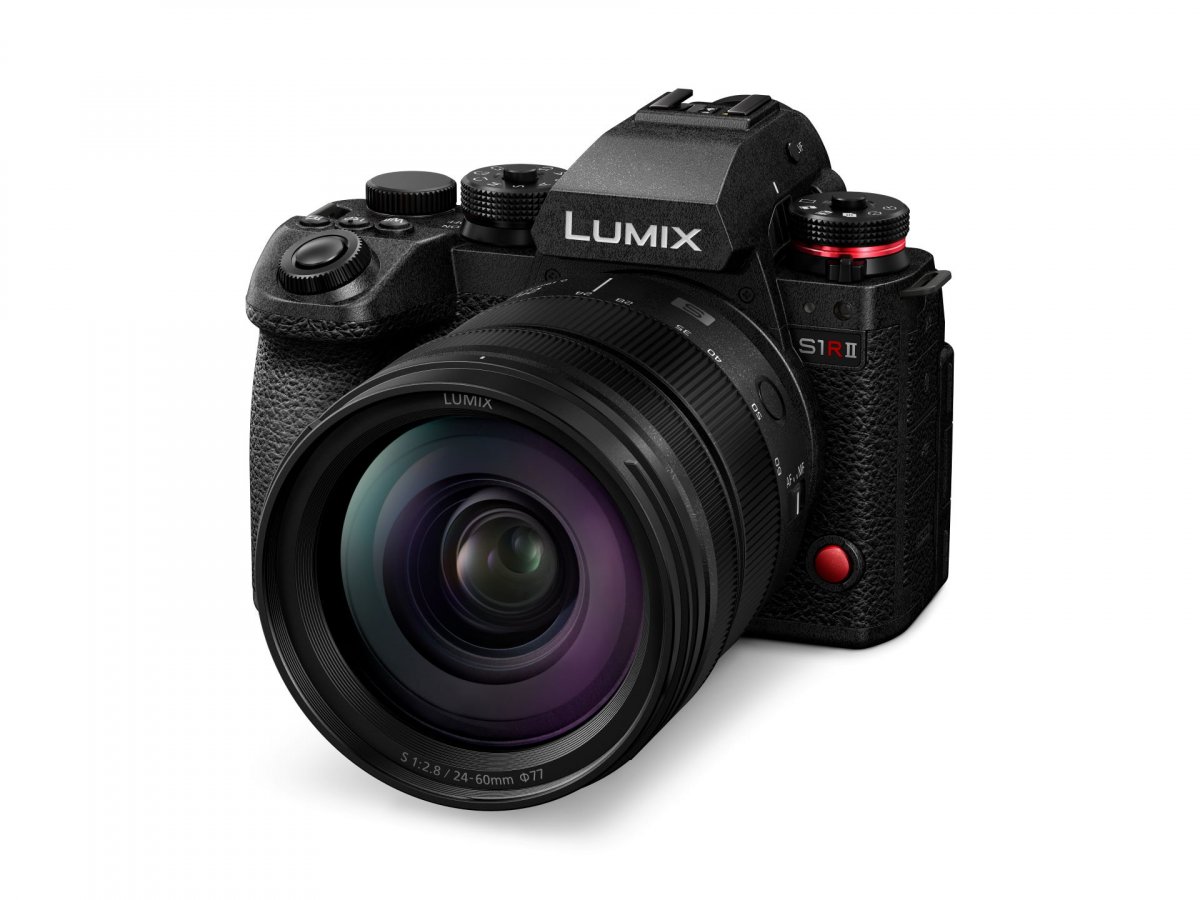
Panasonic Lumix S 24-60mm f/2.8 - ready for anything: f/2.8 brightness throughout the zoom range, versatile coverage from 24mm wide-angle to 60mm standard, closest focusing distance is just 0.19m at 24-30mm / 0.33m at 60mm. A compact and lightweight lens: φ84.0 x 99.9mm / 544 g. Dust/Splash/Freeze-resistant and fluorine coating. Equipped with a focus button assignable to shooting features. Supports manual focus while zooming.
CREATIVE FREEDOM IN EVERY FRAME
F2.8 allows for faster shutter speeds, even in low-light situations. Bokeh that tells a story: create expressive snapshots and portraits with beautiful bokeh that adds atmosphere.
HYBRID ZOOM
Hybrid Zoom, a combination of Optical Zoom and Crop Zoom, extends the telephoto end with a simple turn of the zoom ring. You can extend your zoom range up to 187mm* for both photos and videos. *Compatible with the DC-S1M2, DC-S1M2ES, DC-S5M2X, DC-S5M2 and DC-S9. When using the DC-S1RM2, the maximum focal length is 252mm. The maximum focal length varies depending on the camera model.
RELIABLE VIDEO PERFORMANCE
Wide 24mm: starting at 24mm wide-angle, it is an excellent choice for video, offering exceptional versatility in a single lens. Silent Focusing: a new Dual Phase Linear Motor and optical encoder enables high-speed, high-precision autofocus performance. Additionally, the quiet drive system minimizes focus noise during video recording. Suppressing Focus Breathing: advanced optical design and an optimized internal barrel structure effectively suppress focus breathing. In high-contrast scenes, micro-step aperture control enables smooth F-stop transitions, preventing sudden exposure changes. Gimbal-friendly Design: the lens also maintains a stable center of gravity while zooming, making it ideal for use with gimbals.
EXCEPTIONAL OPTICAL TECHNOLOGY
Technologies behind the compact design: 1) Fewer lens elements without compromising image quality. 2) Streamlined components while ensuring structural integrity. 3) Optimized performance from each lens group with minimal elements. 4) Prioritizing compactness, the telephoto end was set at 60mm.
SWITCHABLE TO CONTROL RING
When the focus mode is set to AF, the focus ring can be used as a control ring. The direction of ring rotation can be switched left or right.
SUPPORTS MANUAL FOCUS WHILE ZOOMING
When the focus mode is set to MF, linear and non-linear control can be switched. The direction of ring rotation can be selected. Manual focus adjustment is now possible during zoom operation. Non-linear: Focus adjustment speed varies with rotation speed, allowing for quick adjustments. Linear: Focus shifts at a consistent, user-defined speed, providing precise, mechanical-like control. Manual focus adjustment is now possible during zoom operation, enabling more creative control, such as seamless focus shifts between subjects.
FOCUS BUTTON
The lens also has a Focus button, which lets you quickly access features like the Hybrid Zoom*. *Hybrid Zoom: This function combines optical zoom and crop zoom, allowing you to extend the telephoto range using only the zoom ring without changing the focal length at the wide-end. The default is "Focus stop" and you can assign other functions at it as you like.
WEATHER RESISTANT DESIGN
Dust- and splash-resistant construction protects the lens system inside from sand, rain and more. This lens is designed for use at temperatures as low as -10 degrees Centigrade. *Dust and Splash Resistant does not guarantee that damage will not occur if this lens is subjected to direct contact with dust and water. The fluorine coating applied to the front lens makes it easy to remove oil-based dirt sticking to it. Ideal for close-up photography.
SPECIFICATIONS
Lens mount: L-Mount
Focal length: 24-60mm
Maximum aperture: f/2.8
Minimum aperture: f/22
Lens construction: 14 elements in 12 groups (3 aspherical lenses, 1 UED lens, 2 ED lenses)
Dust and splash resistant: Yes* (*Dust and Splash Resistant does not guarantee that damage will not occur if this lens is subjected to direct contact with dust and water.)
Recomended operating temperature: -10℃ to 40℃
Filter size: φ77mm
Maximum diameter: φ84.0mm
Overall length: approx. 99.9mm (from the tip of the lens to the base side of the lens mount)
Weight: approx. 544 g (excluding lens cap, lens rear cap and lens hood)
Standard accessories: lens cap, lens rear cap, lens hood
Lens mount (bayonet)
L-mount
Type
zoom
Focal length (wide)
24 mm
Discuss with a consultant in Kaunas
We don't haveKlaipėdaAddress: Birželio 23-iosios g. 23gWorking hours: I-V 09:00 - 18:00VI-VII not workingPhone: +370 674 59488
Discuss with a consultant in Klaipėda
We don't haveKlaipėdaAddress: Taikos pr. 17Working hours: I-V 10:00 - 19:00VI 10:00 - 14:00VII not workingPhone: +370 604 43972
1. How to choose the right lens for a mirrorless camera?
When choosing the right lens for a mirrorless camera, it is important to consider your photography needs and style. First, decide on the resolution and focusing distance you require. For portraits, lenses with a wide aperture, such as a 50mm f/1.8, are often preferred. If you enjoy landscapes, go for a wide-angle lens (e.g., 24mm). To capture distant objects, telephoto lenses (e.g., 70-200mm) are useful. Another important factor is the lens’s light-gathering ability, which affects performance in low-light conditions. A stabilization system can also be important, especially for longer lenses. It’s important to evaluate the build quality of the lens and the manufacturer's reputation. Try out several lenses and consider your future needs to choose the right and long-lasting investment in your photography.
2. Are all lenses compatible with all mirrorless cameras?
Not all lenses are universal for all mirrorless cameras. Different manufacturers may have different mounts, so it is important to check the lens compatibility with your camera. For example, lenses for Canon, Nikon, Sony, and other manufacturers' mirrorless cameras may not be interchangeable without adapters. It is also important to consider the sensor size. APS-C lenses may be disproportionately large for full-frame cameras. Before purchasing a lens, it is advisable to check the manufacturer's compatibility chart and consider the specific requirements of your camera. Adapters can allow the use of third-party lenses, but there may be some loss in functionality or quality.
The website uses cookies, which help you ensure quality of service. Continuing browsing, you agree with fotoaparatas.eu cookies policy.Agree
















Reviews
0 average rating (0 votes)