


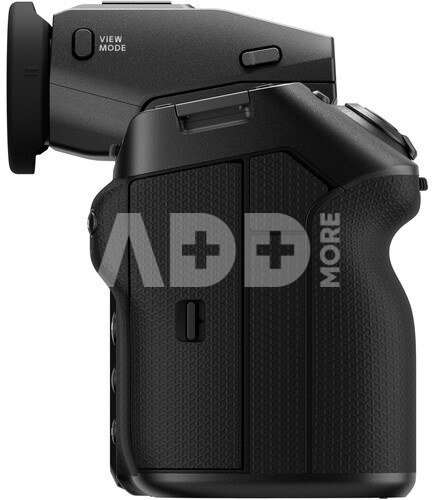
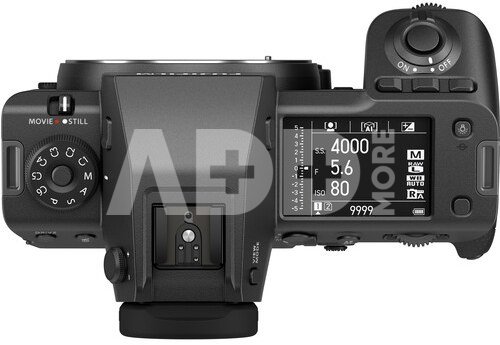
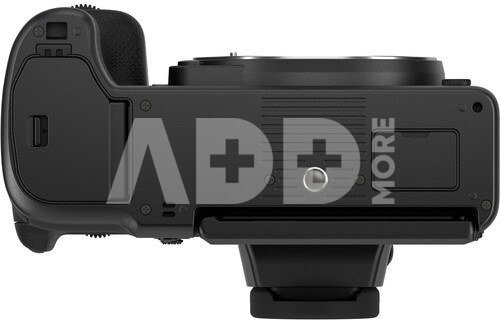
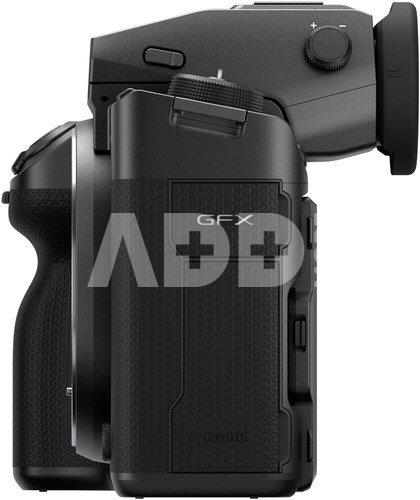

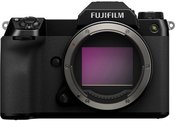
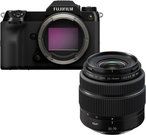
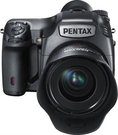
1. What are the main advantages and features that distinguish medium format cameras?
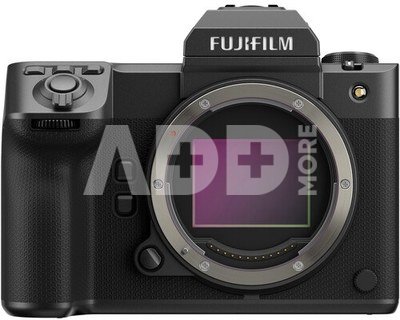
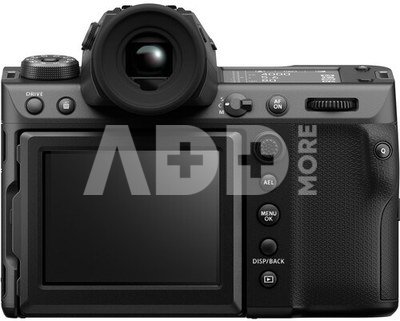
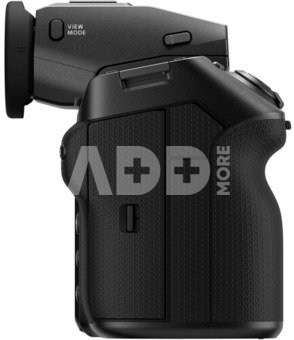
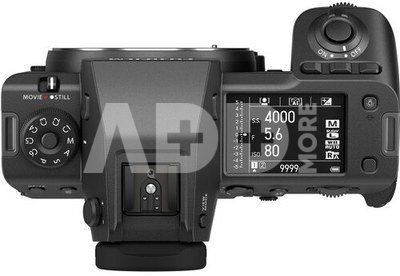
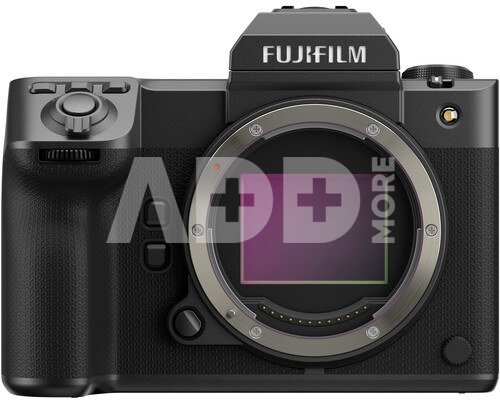
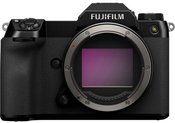
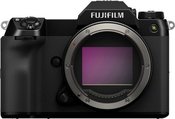
Medium format cameras stand out due to their larger sensor size compared to DSLR and mirrorless cameras, offering a greater dynamic range and superior image quality, especially in low-light conditions. They capture more detail and produce less noise at higher ISO sensitivity. Additionally, medium format camera lenses are larger, allowing for enhanced control over bokeh effects and creating a distinctive aesthetic. These cameras are commonly used for portraits, landscapes, and professional commercial photography, where quality, detail, and color fidelity are crucial. However, medium format cameras are more expensive, larger, and heavier than other camera formats, making them a choice for photographers seeking the highest quality results.
2. How to choose the right lens for a medium format camera?
Selecting the right lens for a medium format camera is a crucial step in achieving top-quality images, depending on your photography style and needs. Medium format lenses come in various types, including prime, zoom, and wide-angle lenses. Prime lenses with fixed focal lengths are ideal for portraits, as they often deliver high-quality images and excellent bokeh effects, emphasizing the subject against the background. Zoom lenses are suitable for capturing distant subjects, while wide-angle lenses are perfect for landscapes or spacious scenes. Most professional photographers opt for high-quality prime lenses for portraits and fast zoom lenses with low aperture numbers. The latter helps create beautiful background blur (bokeh) and isolate the main subject from the background. Before choosing a lens, assess your needs and what you aim to achieve in specific photography situations to ensure the best results.












Reviews
0 average rating (0 votes)