DescriptionTamron 12-20mm F/2.8 Sony E (Full Frame) description
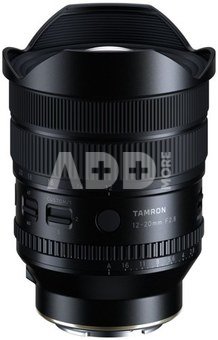
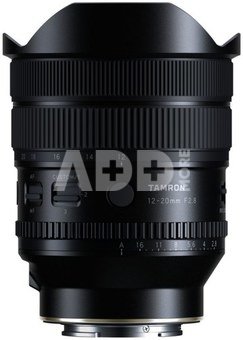
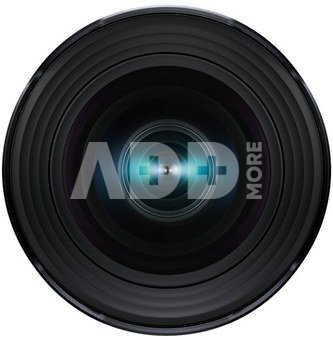
The Tamron 12–20mm F/2.8 captures an exceptionally broad area within a single frame while creating a dramatic sense of depth and perspective. Its 12mm focal length is noticeably wider than conventional 14mm or 16mm lenses, making it particularly useful for photographing large buildings, compact interiors, cityscapes and expansive natural landscapes. A constant F/2.8 maximum aperture is available throughout the complete zoom range, providing reliable low-light performance for night photography, indoor shooting and astrophotography. The advanced optical construction uses XGM, GM, XLD and LD elements to reduce distortion, colour fringing and loss of sharpness towards the corners.
Who is it for?
The Tamron 12–20mm F/2.8 is ideal for:
landscape and nature photographers;
architecture, interior and real-estate photography;
astrophotography and night cityscapes;
travel and documentary photographers;
professional filmmakers and content creators;
creative perspective and environmental close-up photography;
photographers looking for an ultra-wide yet portable F/2.8 zoom.
Constant F/2.8 aperture. Maximum brightness remains unchanged throughout the zoom range.
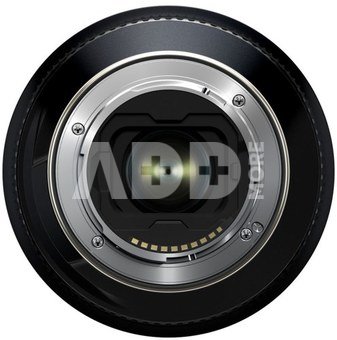
Full-frame Sony E compatibility. Designed for full-frame Sony mirrorless cameras and compatible with APS-C bodies.
VXD autofocus motor. Provides fast, accurate and quiet focusing.
Advanced optical construction. Includes one XGM, three GM, one XLD and three LD elements.
Excellent corner performance. Effective correction of sagittal coma makes the lens particularly suitable for astrophotography.
AX and BBAR-G2 coatings. Reduce flare, ghosting and contrast loss in difficult lighting.
12-blade circular diaphragm. Produces smooth circular highlights and defined 12-point sunstars when stopped down.
Close focusing capability. Focuses from 0.18m at 12mm and 0.28m at 20mm.
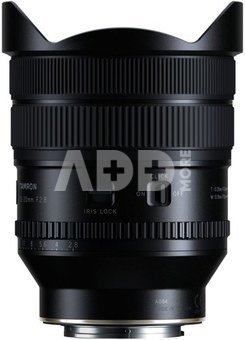
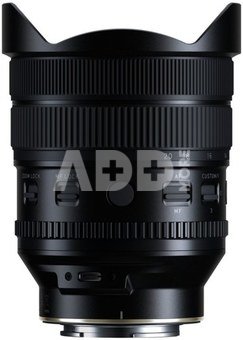
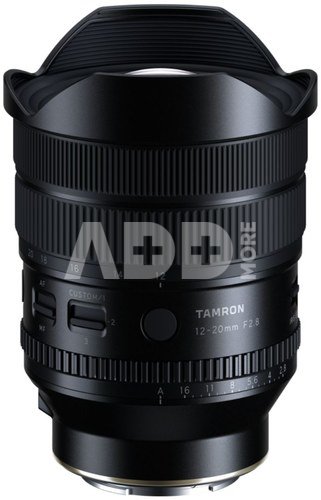
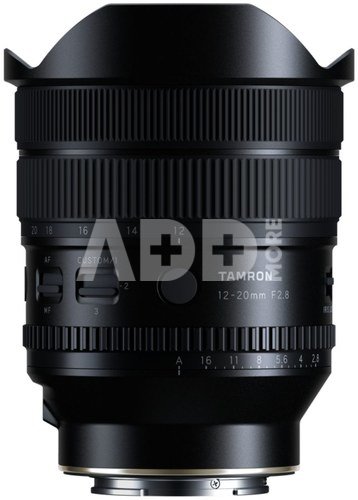
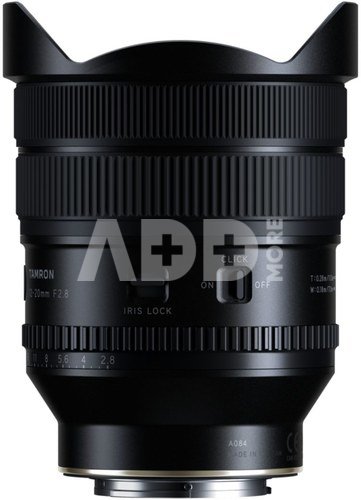
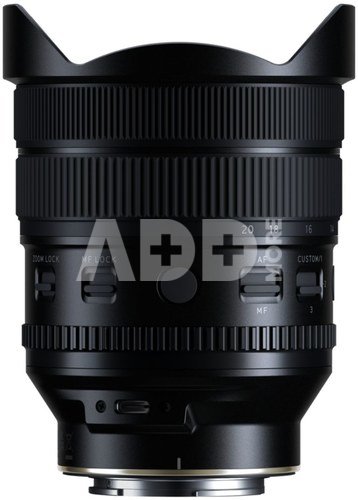
Professional physical controls. Includes AF/MF, MF Lock, Zoom Lock, aperture ring, click switch and custom controls.
TAMRON Lens Utility support. Lens functions can be configured through the integrated USB-C port.
Internal zoom design. The physical length of the lens remains stable while zooming.
Integrated rear filter holder. Accepts commercially available sheet-type filters cut to size.
Weather-conscious construction. Moisture-resistant seals and fluorine coating improve outdoor usability.
Compact and lightweight. Measures 119.3mm in length and weighs approximately 570g.
Comparison with alternatives
Compared with conventional 14–24mm F/2.8 zooms, the Tamron begins at a significantly wider 12mm. The difference is especially valuable in confined interiors, architecture, large landscapes and night-sky photography.
A 16–30mm or 16–35mm lens is usually more versatile for everyday shooting because it extends closer to a standard field of view. However, those lenses cannot reproduce the highly expansive perspective available at 12mm.
Lenses covering approximately 12–24mm offer slightly more reach at the long end. The Tamron 12–20mm F/2.8 instead prioritises portability, professional controls, internal zooming and ultra-wide performance. It is especially attractive for photographers who value a genuine 12mm perspective and a constant F/2.8 aperture.
FAQ
Is the Tamron 12–20mm F/2.8 a full-frame lens?
Yes. It is designed for full-frame Sony E-mount mirrorless cameras.
Can it be used with Sony APS-C cameras?
Yes. On an APS-C camera, its field of view is approximately equivalent to 18–30mm on full frame.
Does the F/2.8 aperture remain constant?
Yes. F/2.8 is available throughout the entire 12–20mm zoom range.
Is it suitable for astrophotography?
Yes. Its 12mm field of view, bright F/2.8 aperture and correction of sagittal coma make it highly suitable for starscapes and night landscapes.
Can standard screw-in filters be attached to the front?
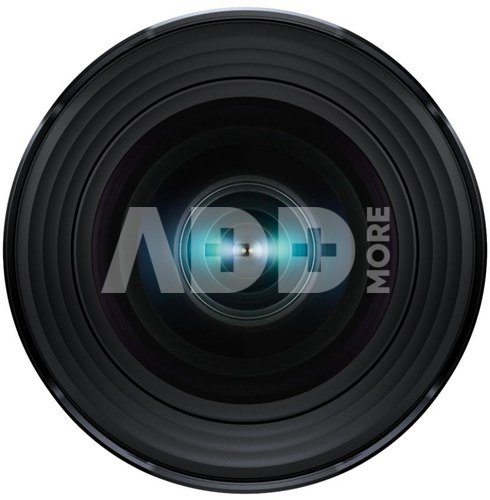
No. The lens has a protruding front element and an integrated hood. Sheet-type filters can be installed in the integrated rear filter holder.
Does the lens have optical image stabilisation?
The lens does not include Tamron VC optical stabilisation. Stabilisation can be provided by a compatible Sony camera body.
Is it suitable for video recording?
Yes. Quiet VXD autofocus, internal zooming, programmable controls and a de-clickable aperture ring are useful for professional video production.
Can the controls be customised?
Yes. The USB-C port and TAMRON Lens Utility software allow selected lens controls and focusing functions to be customised.
Specifications
Model: A084S
Lens type: ultra-wide-angle zoom lens
Camera system: mirrorless system cameras
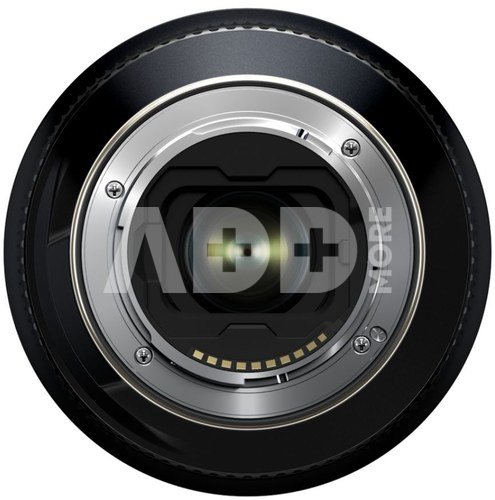
Mount: Sony E
Sensor format: full frame; APS-C compatible
Focal length: 12–20mm
Maximum aperture: F/2.8
Minimum aperture: F/16
Angle of view: 121°58′–94°30′
Optical construction: 17 elements in 12 groups
Special elements: 1 XGM, 3 GM, 1 XLD and 3 LD
Aperture blades: 12, circular diaphragm
Minimum focusing distance: 0.18m at 12mm; 0.28m at 20mm
Maximum magnification ratio: 1:5.8 at 12mm; 1:9.1 at 20mm
Autofocus system: VXD linear motor
Optical coatings: AX, BBAR-G2 and fluorine coating
Zoom mechanism: internal zoom
Optical image stabilisation: no
Front filter thread: none
Filter system: integrated rear sheet-filter holder
Maximum diameter: 90mm
Length: 119.3mm
Weight: 570g
USB connection: USB-C
Protection: moisture-resistant construction
Lens hood: integrated petal-shaped hood
Supported functions: Fast Hybrid AF, Eye AF, DMF, AF Assist and in-camera corrections
Included accessories: front cap, rear cap and protective wrapping cloth
Lens mount (bayonet)
Sony E
Typ of SensorFull frame
Brightness
2.8
Discuss with a consultant in Kaunas
We don't haveKlaipėdaAddress: Birželio 23-iosios g. 23gWorking hours: I-V 09:00 - 18:00VI-VII not workingPhone: +370 674 59488
Discuss with a consultant in Klaipėda
We don't haveKlaipėdaAddress: Taikos pr. 17Working hours: I-V 10:00 - 19:00VI 10:00 - 14:00VII not workingPhone: +370 604 43972
1. How to choose the right lens for a mirrorless camera?
When choosing the right lens for a mirrorless camera, it is important to consider your photography needs and style. First, decide on the resolution and focusing distance you require. For portraits, lenses with a wide aperture, such as a 50mm f/1.8, are often preferred. If you enjoy landscapes, go for a wide-angle lens (e.g., 24mm). To capture distant objects, telephoto lenses (e.g., 70-200mm) are useful. Another important factor is the lens’s light-gathering ability, which affects performance in low-light conditions. A stabilization system can also be important, especially for longer lenses. It’s important to evaluate the build quality of the lens and the manufacturer's reputation. Try out several lenses and consider your future needs to choose the right and long-lasting investment in your photography.
2. Are all lenses compatible with all mirrorless cameras?
Not all lenses are universal for all mirrorless cameras. Different manufacturers may have different mounts, so it is important to check the lens compatibility with your camera. For example, lenses for Canon, Nikon, Sony, and other manufacturers' mirrorless cameras may not be interchangeable without adapters. It is also important to consider the sensor size. APS-C lenses may be disproportionately large for full-frame cameras. Before purchasing a lens, it is advisable to check the manufacturer's compatibility chart and consider the specific requirements of your camera. Adapters can allow the use of third-party lenses, but there may be some loss in functionality or quality.
The website uses cookies, which help you ensure quality of service. Continuing browsing, you agree with fotoaparatas.eu cookies policy.Agree


%201.jpg)
%203.jpg)















Reviews
0 average rating (0 votes)