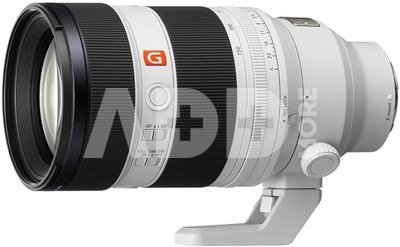
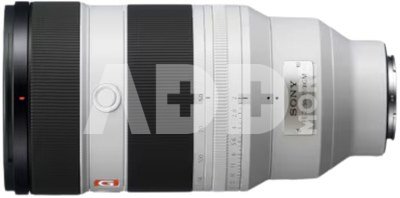
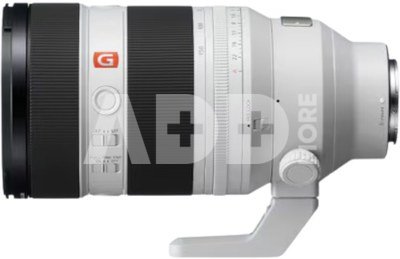
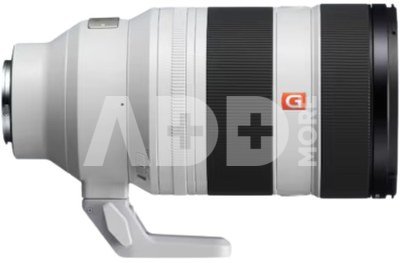
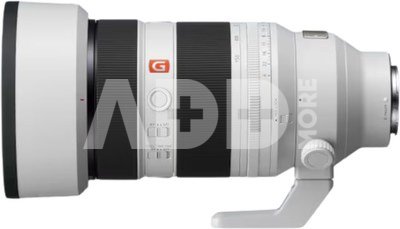
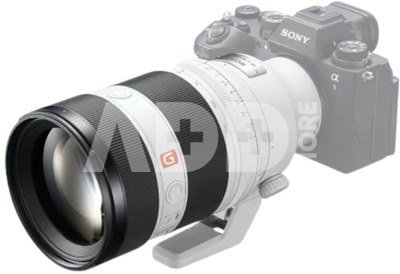
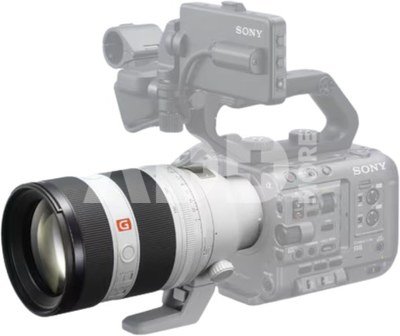
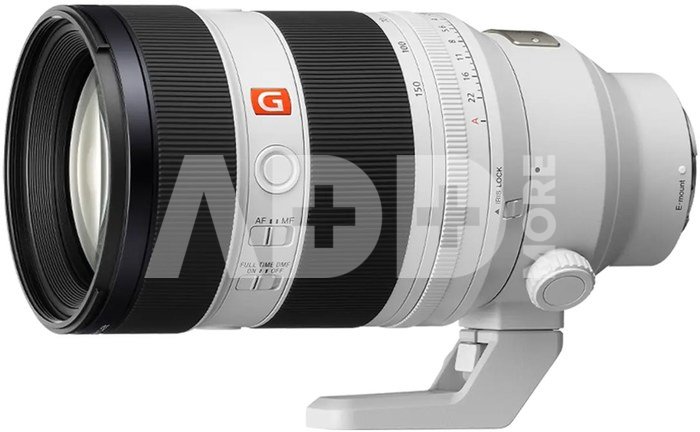
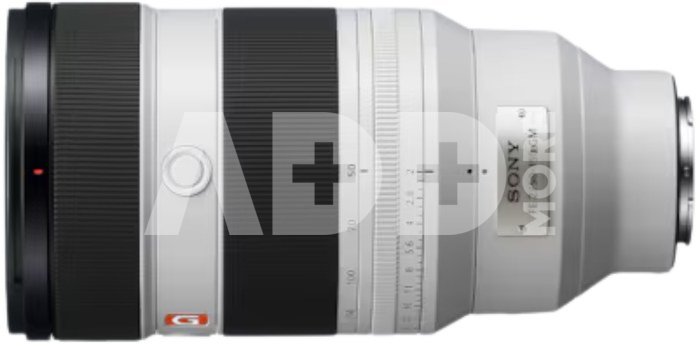
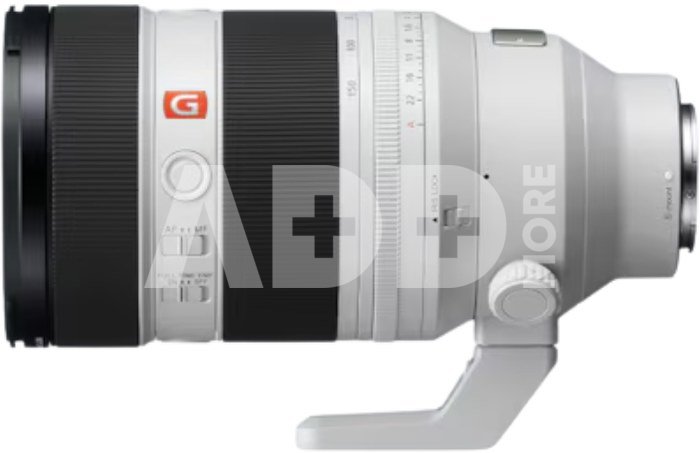
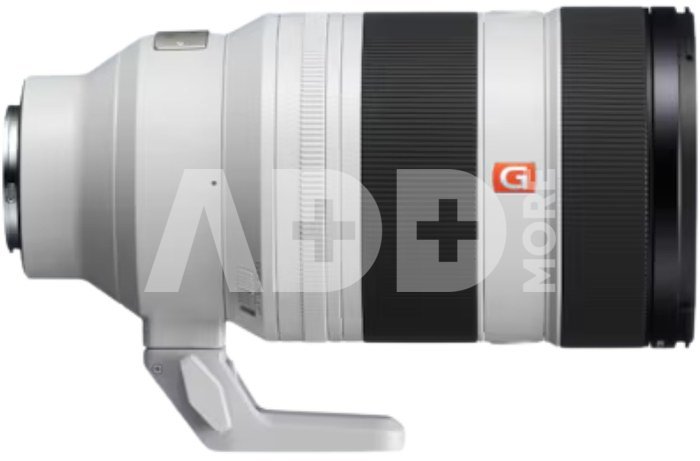
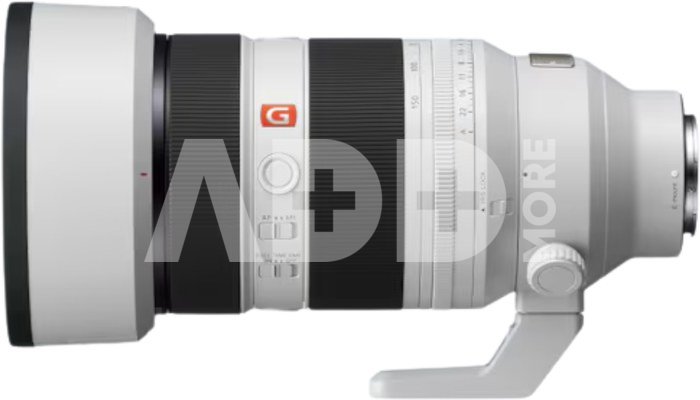
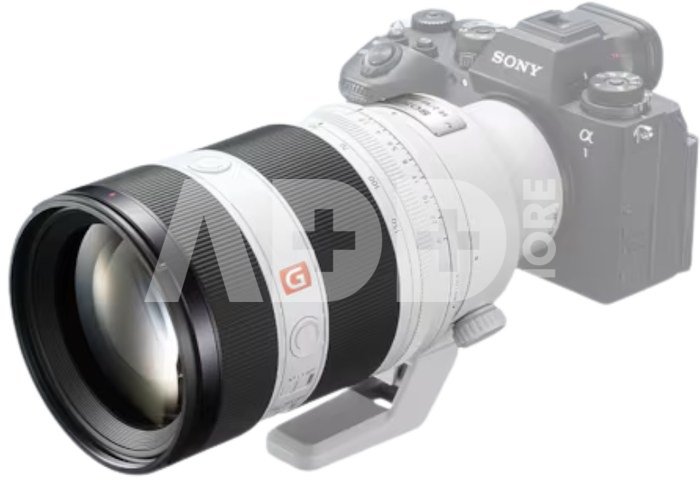
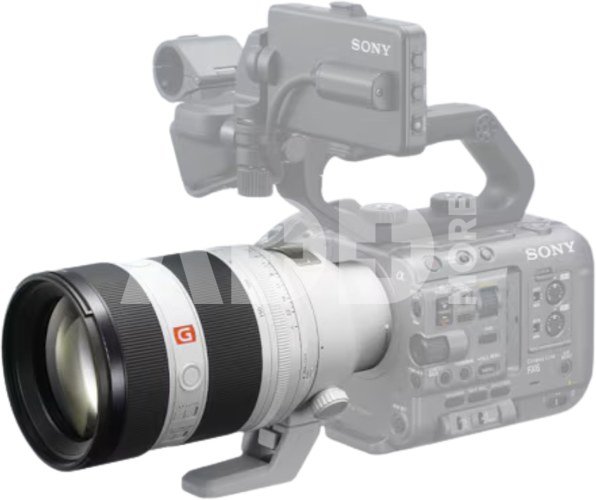
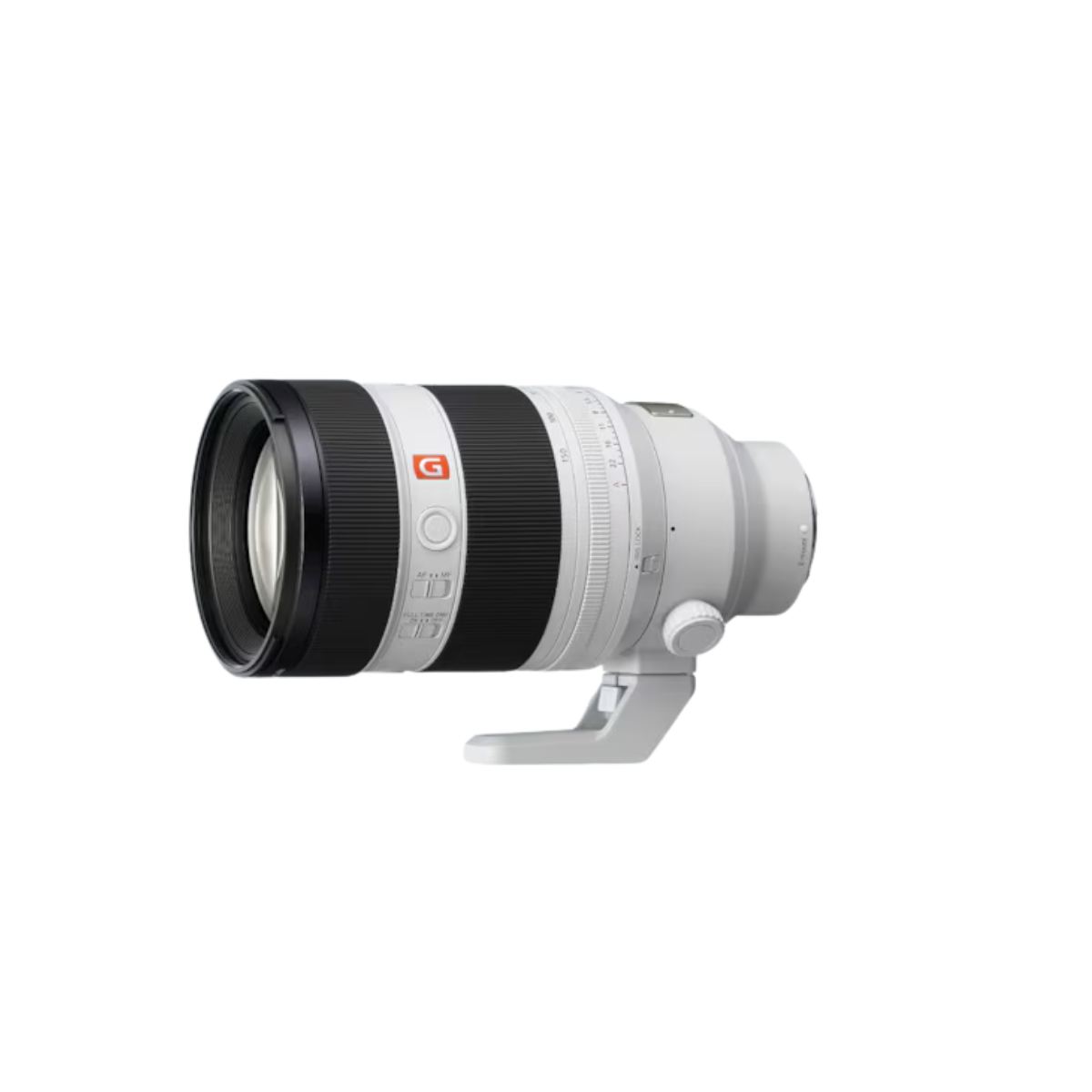
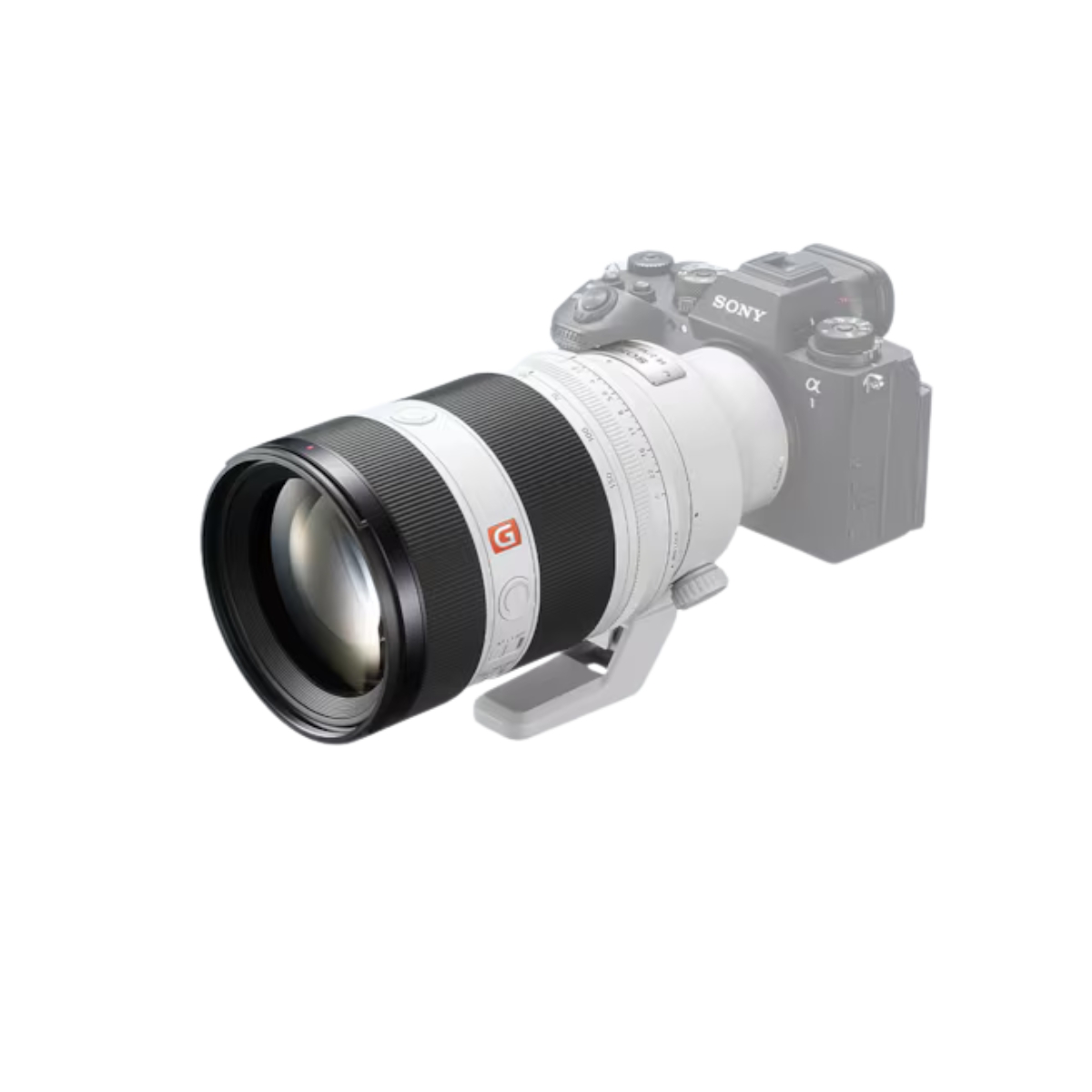
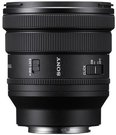
Sony 50-150mm F2 GM Full-Frame Zoom Lens. Developed for creators who want next-generation versatility and expression, this telephoto zoom is the world’s first with a maximum focal length of 150 mm and F2 aperture. Deep bokeh works with telephoto compression for creative portraits, and the large aperture is ideal for indoor events. All of this plus internal zoom in an agile lens that weighs just 1340 g (without tripod base).
RESOLUTION YOU’D EXPECT FROM A HIGH-QUALITY PRIME LENS
Innovative optical design and manufacturing achieve unprecedented performance. Two precision XA (extreme aspherical) elements in a state-of-the-art optical design plus meticulously controlled aberration deliver breathtaking resolution at all apertures, including F2. Two Super ED (Extra-low Dispersion) and three ED glass elements minimise chromatic aberration, while Nano AR Coating II suppresses flare and ghosting.
OUTSTANDING MOBILITY AND HANDLING IN AN F2 TELEPHOTO ZOOM
This large aperture telephoto zoom offers easy handling with a weight of just 1340 g (without tripod base) and a length of 200 mm. Despite its large aperture it can be handheld with minimum stress. Internal zoom contributes to excellent balance that optimises handling for indoor sports or similar subjects. The 50-150 mm range allows uninterrupted shooting without the need for lens changes in many situations.
FAST, PRECISE AF AND TRACKING THAR STAYS WITH THE SUBJECT
Four precision XD (extreme dynamic) linear motors drive the focus group for fast, accurate, quiet focusing that maximises the AF performance potential of modern camera bodies. Tracking easily keeps up with the 120 fps maximum burst speed of the α9 III and is consistently reliable even while zooming. This is a perfect lens for professionals whose jobs depend on getting the shot.
ANVANCED EXPRESSION AND OPERATION FOR MOVIES
Focus breathing is effectively reduced for smooth movie imagery, and Linear Response MF allows precise manual focusing for maximum sharpness and resolution. Rack focus and zoom effects can be used with F2 depth of field to create natural transitions that guide the viewer’s eye. Critical focus for high frame rate 4K 120p/FHD 240p recording is easy, and the entire system operates with minimal noise and vibration.
PROFESSIONAL CONTROL AND RELIABILITY
Operability is enhanced by an aperture ring with click ON/OFF and lock switches, three assignable focus hold buttons, and a DMF switch that enables temporary switchover to manual focus while using AF. And although it is a relatively large lens, ample clearance is provided for the camera grip. The removable tripod foot has 1/4” and 3/8” screw holes, and a dust/moisture resistant design ensures maximum reliability.
SPECIFICATIONS
Mount: Sony E-mount
Format: 35mm full frame
Focal Length: 50-150 mm
Lens Groups / Elements: 17-19
Angle of View (35mm): 47゚-16゚30'
Angle of View (APS-C): 32°-11°
Maximum Aperture: F/2
Minimum Aperture: F/22
Aperture Blades: 11
Circular Aperture: Yes
Minimum Focus Distance: 0.4 (Wide) - 0.74 (Tele) m
1. How to choose the right lens for a mirrorless camera?
When choosing the right lens for a mirrorless camera, it is important to consider your photography needs and style. First, decide on the resolution and focusing distance you require. For portraits, lenses with a wide aperture, such as a 50mm f/1.8, are often preferred. If you enjoy landscapes, go for a wide-angle lens (e.g., 24mm). To capture distant objects, telephoto lenses (e.g., 70-200mm) are useful. Another important factor is the lens’s light-gathering ability, which affects performance in low-light conditions. A stabilization system can also be important, especially for longer lenses. It’s important to evaluate the build quality of the lens and the manufacturer's reputation. Try out several lenses and consider your future needs to choose the right and long-lasting investment in your photography.
2. Are all lenses compatible with all mirrorless cameras?
Not all lenses are universal for all mirrorless cameras. Different manufacturers may have different mounts, so it is important to check the lens compatibility with your camera. For example, lenses for Canon, Nikon, Sony, and other manufacturers' mirrorless cameras may not be interchangeable without adapters. It is also important to consider the sensor size. APS-C lenses may be disproportionately large for full-frame cameras. Before purchasing a lens, it is advisable to check the manufacturer's compatibility chart and consider the specific requirements of your camera. Adapters can allow the use of third-party lenses, but there may be some loss in functionality or quality.
The website uses cookies, which help you ensure quality of service. Continuing browsing, you agree with fotoaparatas.eu cookies policy.Agree



















Reviews
0 average rating (0 votes)