Sigma 105mm F2.8 DG DN MACRO ART (L-Mount) + 80 € cashback
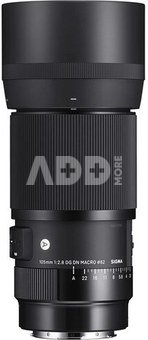
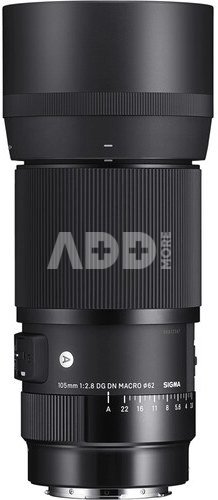
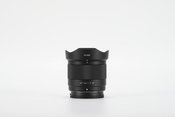
The latest optical design of the 105mm F2.8 DG DN MACRO | Art ensures exceptional sharpness at all shooting distances from extreme close-up, which is crucial in macro shooting, all the way up to infinity. In addition, its aberration correction places a particular focus on longitudinal chromatic aberration which cannot be handled by the in-camera aberration correction. The superior optical design produces clear images with both delicate rendering and free of color bleeding.
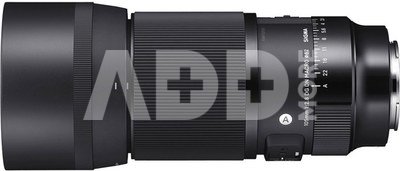
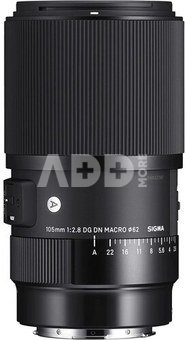
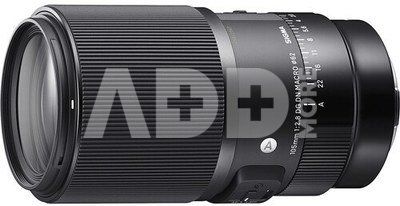
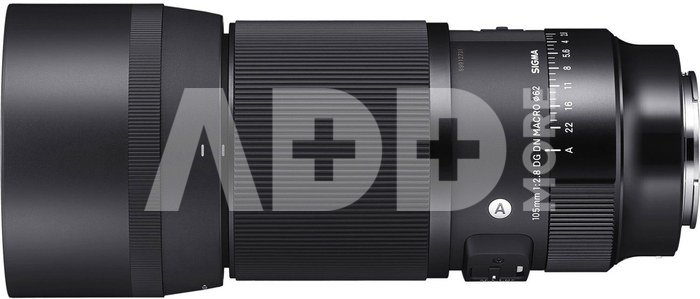
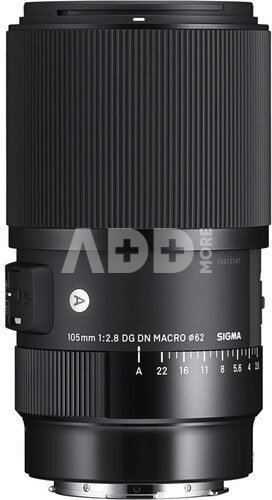
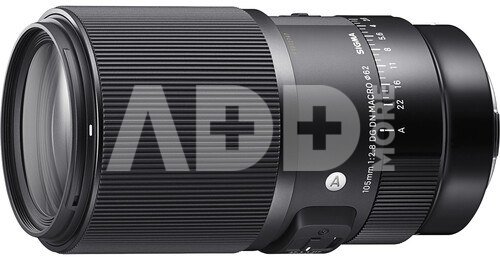
On its body, the 105mm f/2.8 DG DN Macro Art features a Focus Mode Switch, Focus limiter setting which comes in handy during macro shooting, and the AFL button to which users may assign select functions. The Aperture ring, which is designed to help users work intuitively, has an Aperture ring click switch to turn ON or OFF the clicking sound that isn’t required by some users when shooting macro. It also comes with a Aperture ring lock switch for a ring lock system. Its enhanced functions allow users to customize their shooting operations in accordance with their shooting styles.
The lens also has a dust- and splash-proof structure with a water- and oil-repellent coating, which is built to handle all manner of shooting conditions. The rings and switches, meanwhile, have a build quality that is superb in terms of durability, as well as how they work and how they feel.
Typ of Sensor
Full Frame
Image stabilization
Nėra
Delivery time
5-19 w.d.
Discuss with a consultant in Kaunas
We don't have
Klaipėda Address: Birželio 23-iosios g. 23g Working hours: I-V 09:00 - 18:00 VI-VII not working Phone: +370 674 59488
Discuss with a consultant in Klaipėda
We don't have
Klaipėda Address: Taikos pr. 17 Working hours: I-V 10:00 - 19:00 VI 10:00 - 14:00 VII not working Phone: +370 604 43972
1. How to choose the right lens for a mirrorless camera?
When choosing the right lens for a mirrorless camera, it is important to consider your photography needs and style. First, decide on the resolution and focusing distance you require. For portraits, lenses with a wide aperture, such as a 50mm f/1.8, are often preferred. If you enjoy landscapes, go for a wide-angle lens (e.g., 24mm). To capture distant objects, telephoto lenses (e.g., 70-200mm) are useful. Another important factor is the lens’s light-gathering ability, which affects performance in low-light conditions. A stabilization system can also be important, especially for longer lenses. It’s important to evaluate the build quality of the lens and the manufacturer's reputation. Try out several lenses and consider your future needs to choose the right and long-lasting investment in your photography.
2. Are all lenses compatible with all mirrorless cameras?
Not all lenses are universal for all mirrorless cameras. Different manufacturers may have different mounts, so it is important to check the lens compatibility with your camera. For example, lenses for Canon, Nikon, Sony, and other manufacturers' mirrorless cameras may not be interchangeable without adapters. It is also important to consider the sensor size. APS-C lenses may be disproportionately large for full-frame cameras. Before purchasing a lens, it is advisable to check the manufacturer's compatibility chart and consider the specific requirements of your camera. Adapters can allow the use of third-party lenses, but there may be some loss in functionality or quality.


















Reviews
0 average rating (0 votes)