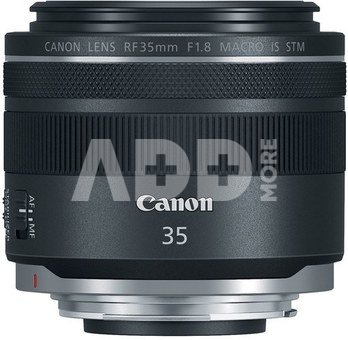
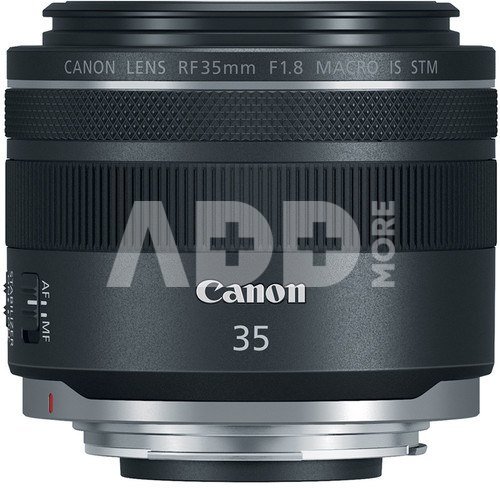
Canon RF 35mm F1.8 IS STM Macro
-12%
|
Canon RF 35mm F1.8 IS STM Macro - tinkamas tiek portretams, tiek makrofotografijai
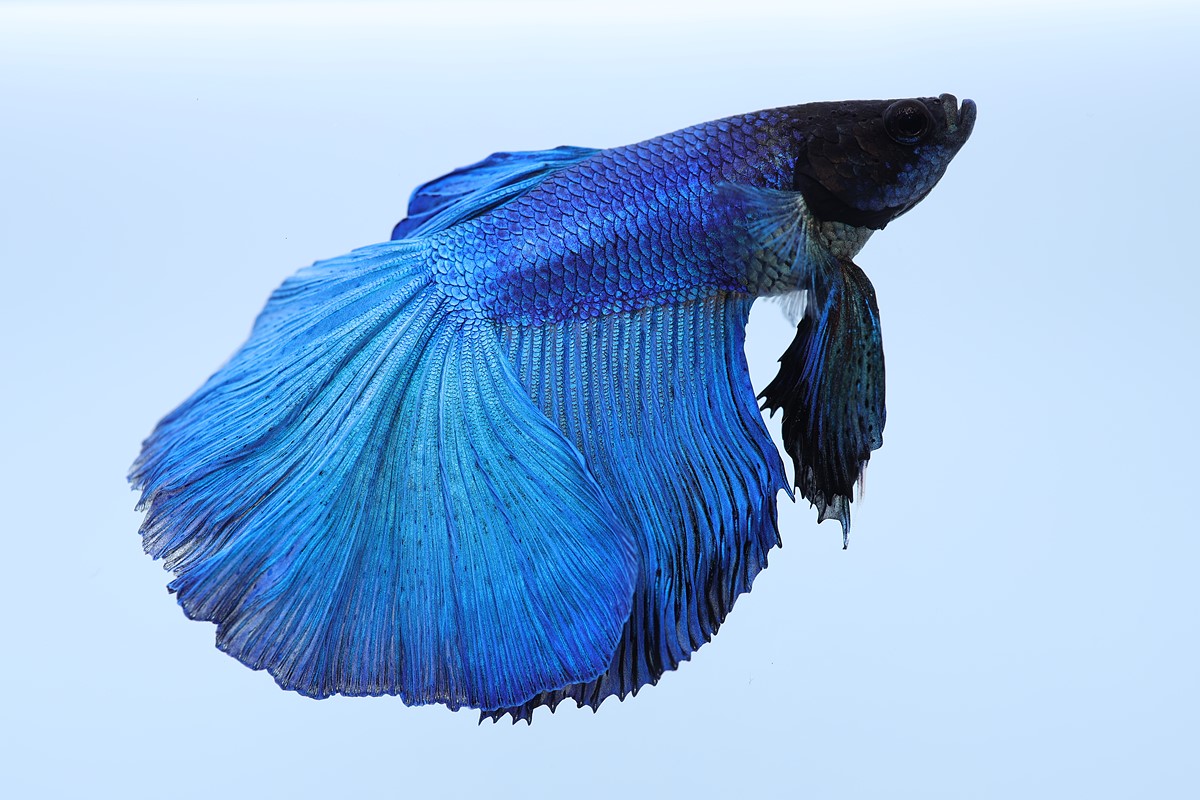
Su maksimalilu didinimu iki 0.5x
RF 35mm F1.8 Macro IS STM yra nepaprastai universalus darbui. Tiek fotografuojant kraštovaizdžius, tiek portretus, tiek detalius paveikslo potepius. Vos 17cm minimalus fokusavimo atstumas leidžia detaliai nufotografuoti augalus, vabzdžius, 5 stops vaizdo stabilizavimo sistema leis nesugadinti kadro rankų mikrovirpesiais.
Valdymo žiedas ir tiesioginiai nustatymų keitimai
Objektyvas be pritraukimo ir fokusavimo žiedo turi dar ir valdymo žiedą, kurio galima tiesiogiai valdyti kelis fotoaparato nustatymus nesirausiant po fotoaparato meniu. Tarp nustatymų yra užrakto greitis, ekspozicijos kompensavimas diafragma ir kiti.
Fotoaparato objektyvo optimizatorius
EOS R sistemos 12 kontaktų jungtis leidžia fotoaparatui komunikuoti su objektyvu. Jis dirba išvien su objektyvu, todėl, kai fotografuojama su aukšta diafragma kadro kraštuose gali atsirasti iškraipymų, RF objektyvas perduoda šiuos duomenis tiesiai kamerai, kuri beveik momentaliai sutvarko nuotraukos bėdas dar joms neatsiradus.
Canon Macro Twin Lites ir Macro Ring Lites makroblyksčių palaikymas
Šie, kaip ir kiti Canon makro objektyvai palaiko ir veikia su makroblykstėmis
Lens mount (bayonet)
Canon RF
Typ of Sensor
Full frame
Max Aperture
1.8 F
Discuss with a consultant in Kaunas
We don't have
Klaipėda Address: Birželio 23-iosios g. 23g Working hours: I-V 09:00 - 18:00 VI-VII not working Phone: +370 674 59488
Discuss with a consultant in Klaipėda
We don't have
Klaipėda Address: Taikos pr. 17 Working hours: I-V 10:00 - 19:00 VI 10:00 - 14:00 VII not working Phone: +370 604 43972
1. How to choose the right lens for a mirrorless camera?
When choosing the right lens for a mirrorless camera, it is important to consider your photography needs and style. First, decide on the resolution and focusing distance you require. For portraits, lenses with a wide aperture, such as a 50mm f/1.8, are often preferred. If you enjoy landscapes, go for a wide-angle lens (e.g., 24mm). To capture distant objects, telephoto lenses (e.g., 70-200mm) are useful. Another important factor is the lens’s light-gathering ability, which affects performance in low-light conditions. A stabilization system can also be important, especially for longer lenses. It’s important to evaluate the build quality of the lens and the manufacturer's reputation. Try out several lenses and consider your future needs to choose the right and long-lasting investment in your photography.
2. Are all lenses compatible with all mirrorless cameras?
Not all lenses are universal for all mirrorless cameras. Different manufacturers may have different mounts, so it is important to check the lens compatibility with your camera. For example, lenses for Canon, Nikon, Sony, and other manufacturers' mirrorless cameras may not be interchangeable without adapters. It is also important to consider the sensor size. APS-C lenses may be disproportionately large for full-frame cameras. Before purchasing a lens, it is advisable to check the manufacturer's compatibility chart and consider the specific requirements of your camera. Adapters can allow the use of third-party lenses, but there may be some loss in functionality or quality.






![Sigma 70-200mm F2.8 DG DN OS for Sony E-Mount [Sports] + 200 € cashback](https://www.fotoaparatas.eu/data/images/catalog_pics/n_thumb/sigma-70-200mm-f2-8-dg-dn-os-for-sony-e-mount-sports.jpg "Sigma 70-200mm F2.8 DG DN OS for Sony E-Mount [Sports] + 200 € cashback")












Reviews
5 average rating (1 rating)