Tamron 70-180mm F/2.8 Di III VC VXD G2 SONY E
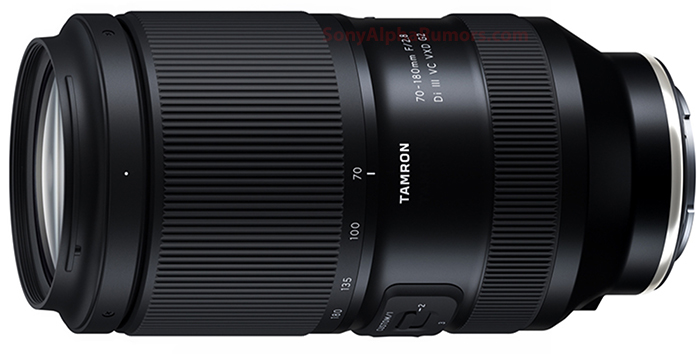
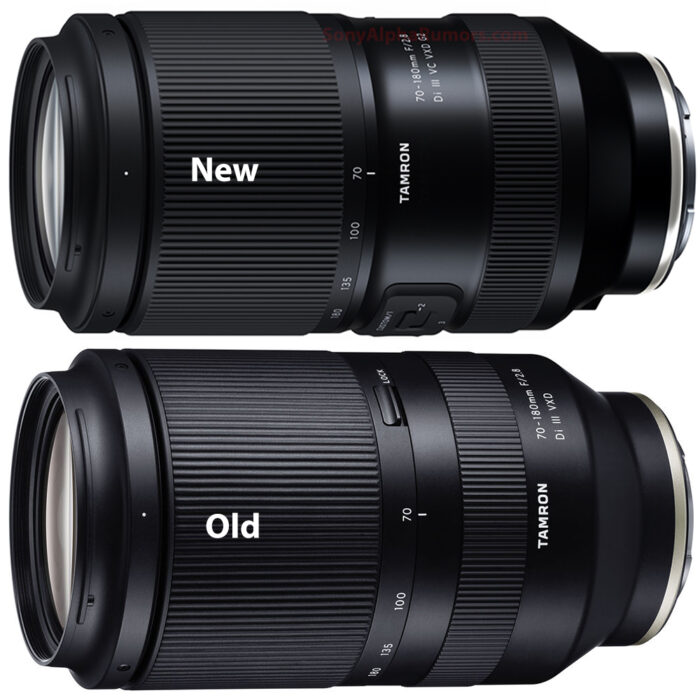
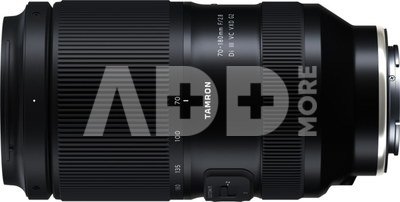
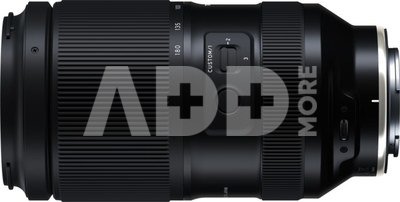
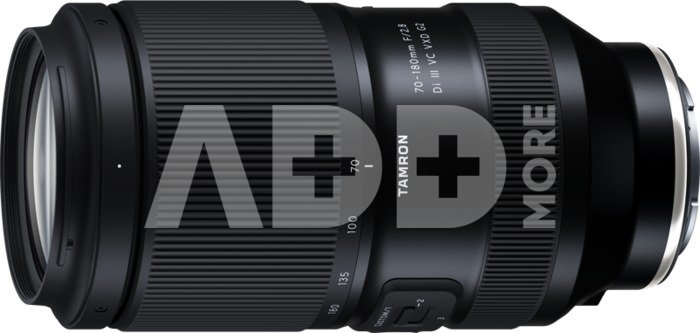
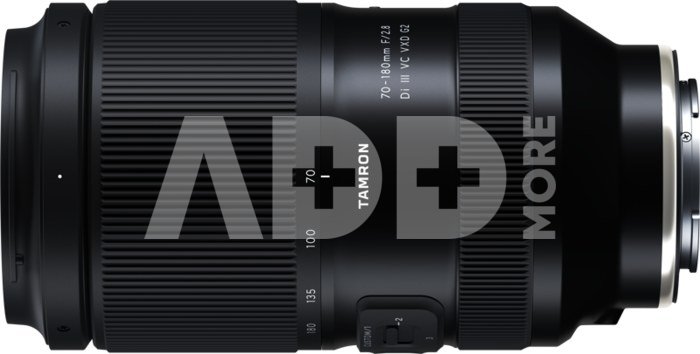
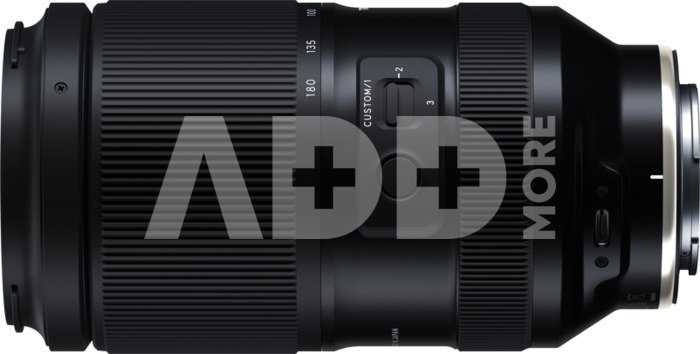
"Tamron" announces the launch of the Tamron 70-180mm F/2.8 Di III VC VXD G2 (model A065), a fast-aperture telephoto zoom lens for Sony E-mount full-frame system cameras. "The Tamron 70-180mm F/2.8 G2" is a further development of the first-generation model, which was highly acclaimed in the marketplace, and incorporates a number of enhancements. Topping the list of improvements for the new G2 lens is Tamron's patented VC (Vibration Compensation) mechanism. The lens retains its class-leading compact size and weight manoeuvrability, while allowing for more stable shooting.
IMPROVED OPTICAL DESIGN
The optical design has been improved over the first generation 70-180mm F/2.8 and delivers uncompromisingly high image quality throughout the zoom range. Tamron has also shortened the MOD (Minimum Object Distance) distance at the wide end to 0.3m compared to the first generation's 0.85m, allowing users to enjoy the unique photographic expressions inherent in this lens.
FAST AND HIGHLY ACCURATE AUTOFOCUSING
In addition, the new 70-180mm F/2.8 G2 zoom lens features Tamron's renowned VXD (Voice-coil eXtreme-torque Drive) linear motor focusing mechanism, which delivers fast and highly accurate autofocusing that works perfectly for both still photography and movie shooting. The new 70-180mm F/2.8 G2 zoom also supports the Tamron Lens Utility™ and Tamron Lens Utility Mobile™ apps developed by Tamron. The software allows you to customise the functions to suit different shooting styles for both still and video shooting. The new lens design improves handling and ensures scratch resistance. This single lens combines the profound manoeuvrability and practicality worthy of the second-generation G2 badge, and will provide a shooting experience that is made even more rewarding by the fast aperture telephoto zoom.
FEATURES
- Even with VC image stabilisation, the lens is only 156.5 mm long and weighs only 855 g.
- The updated optical design delivers truly outstanding performance at all focal lengths.
- The VXD delivers fast and highly accurate AF with significantly improved subject tracking.
- With Tamron's patented VC mechanism.
- Achieves 0.3 m MOD at 70 mm and 0.85 m MOD at 180 mm.
- Proprietary Tamron Lens Utility software for customising lens functions.
- Moisture-resistant construction and fluorine coating.
- Compatible with many camera-specific features and functions including Fast Hybrid AF and Eye AF.
- 67mm filter size, the same as most other Tamron lenses for system cameras.
Focal length (wide)
70 mm
Focal length (tele)
180 mm
Max Aperture
2.8 F
Discuss with a consultant in Kaunas
We don't have
Klaipėda Address: Birželio 23-iosios g. 23g Working hours: I-V 09:00 - 18:00 VI-VII not working Phone: +370 674 59488
Try it in Klaipėda
Have
Klaipėda Address: Taikos pr. 17 Working hours: I-V 10:00 - 19:00 VI 10:00 - 14:00 VII not working Phone: +370 604 43972
1. How to choose the right lens for a mirrorless camera?
When choosing the right lens for a mirrorless camera, it is important to consider your photography needs and style. First, decide on the resolution and focusing distance you require. For portraits, lenses with a wide aperture, such as a 50mm f/1.8, are often preferred. If you enjoy landscapes, go for a wide-angle lens (e.g., 24mm). To capture distant objects, telephoto lenses (e.g., 70-200mm) are useful. Another important factor is the lens’s light-gathering ability, which affects performance in low-light conditions. A stabilization system can also be important, especially for longer lenses. It’s important to evaluate the build quality of the lens and the manufacturer's reputation. Try out several lenses and consider your future needs to choose the right and long-lasting investment in your photography.
2. Are all lenses compatible with all mirrorless cameras?
Not all lenses are universal for all mirrorless cameras. Different manufacturers may have different mounts, so it is important to check the lens compatibility with your camera. For example, lenses for Canon, Nikon, Sony, and other manufacturers' mirrorless cameras may not be interchangeable without adapters. It is also important to consider the sensor size. APS-C lenses may be disproportionately large for full-frame cameras. Before purchasing a lens, it is advisable to check the manufacturer's compatibility chart and consider the specific requirements of your camera. Adapters can allow the use of third-party lenses, but there may be some loss in functionality or quality.
















Reviews
0 average rating (0 votes)