Sigma 105mm F1.4 DG HSM Art (Sony)
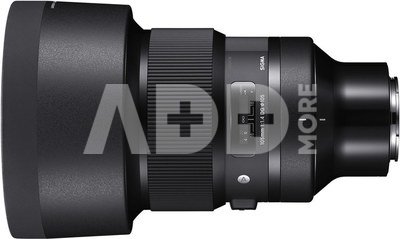
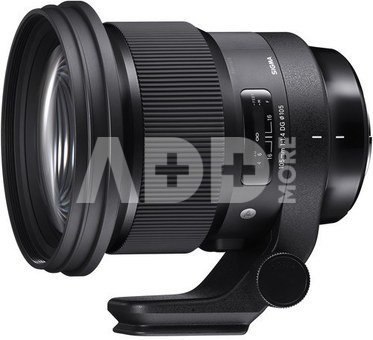
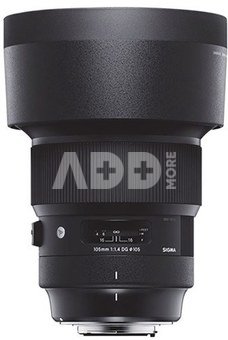
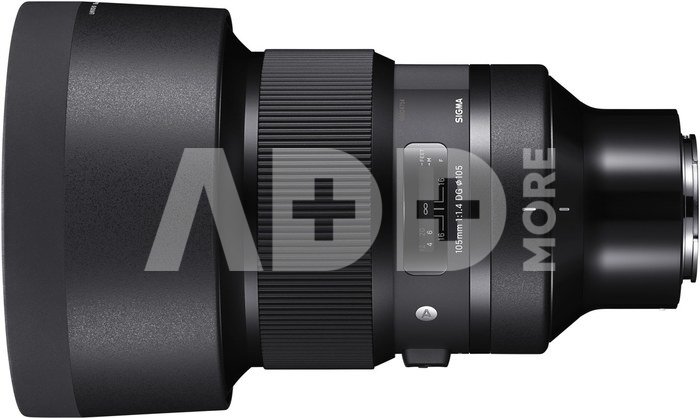
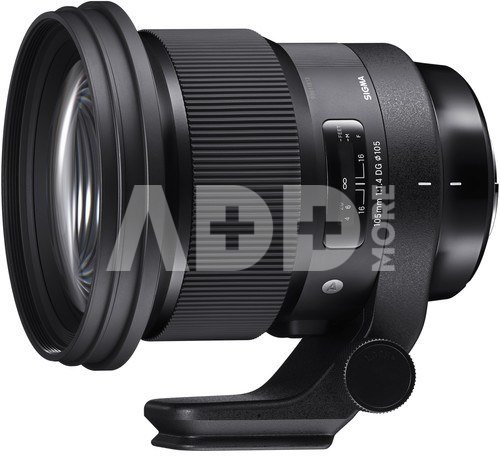
Outstanding wide-aperture, mid-telephoto performance with F1.4 brightness at maximum aperture, this lens incorporates 17 optical elements in 12 groups, an uncommonly large number of elements for a prime lens. By including three FLD glass elements, two SLD glass elements, and one aspherical lens element, the optical system minimizes axial chromatic aberration to deliver extremely high resolution along with ample peripheral light volume.
Like SIGMA’s Sports line lenses, the 105mm F1.4 DG HSM | Art features a highly effective dust- and splash-proof structure with special sealing at the mount connection (with exeption of the Sigma mount), manual focus ring, cover connection, and other areas, allowing photographers to work in alltypes of weather. In addition, the front of the lens is protected by a water- and oil-repellent coating that makes cleaning easy.
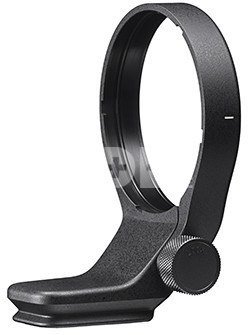
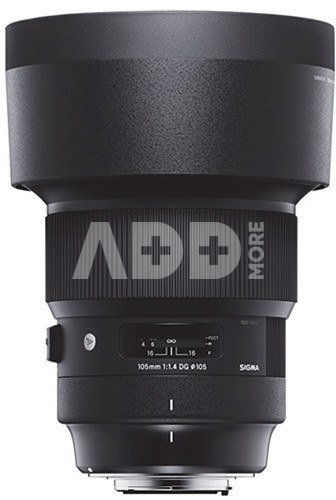
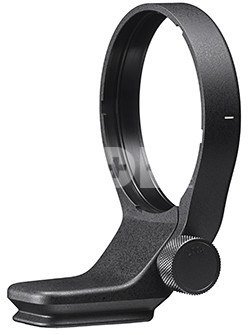
Instead of conventional ABS plastic, the exclusive lens hood features CFRP (carbon fiber reinforced plastic), a light but strong material used in the interior and exterior fittings of aircraft, among many other applications. The removable Arca-Swiss tripod socket is compatible with Arca-Swiss platform and clamps, and its exclusive protective cover makes the lens easier to carry and use when shooting hand-held.
Typ of Sensor
Full Frame
Image stabilization
Nėra
Warranty
24 months
Discuss with a consultant in Kaunas
We don't have
Klaipėda Address: Birželio 23-iosios g. 23g Working hours: I-V 09:00 - 18:00 VI-VII not working Phone: +370 674 59488
Discuss with a consultant in Klaipėda
We don't have
Klaipėda Address: Taikos pr. 17 Working hours: I-V 10:00 - 19:00 VI 10:00 - 14:00 VII not working Phone: +370 604 43972
1. How to choose the right lens for a mirrorless camera?
When choosing the right lens for a mirrorless camera, it is important to consider your photography needs and style. First, decide on the resolution and focusing distance you require. For portraits, lenses with a wide aperture, such as a 50mm f/1.8, are often preferred. If you enjoy landscapes, go for a wide-angle lens (e.g., 24mm). To capture distant objects, telephoto lenses (e.g., 70-200mm) are useful. Another important factor is the lens’s light-gathering ability, which affects performance in low-light conditions. A stabilization system can also be important, especially for longer lenses. It’s important to evaluate the build quality of the lens and the manufacturer's reputation. Try out several lenses and consider your future needs to choose the right and long-lasting investment in your photography.
2. Are all lenses compatible with all mirrorless cameras?
Not all lenses are universal for all mirrorless cameras. Different manufacturers may have different mounts, so it is important to check the lens compatibility with your camera. For example, lenses for Canon, Nikon, Sony, and other manufacturers' mirrorless cameras may not be interchangeable without adapters. It is also important to consider the sensor size. APS-C lenses may be disproportionately large for full-frame cameras. Before purchasing a lens, it is advisable to check the manufacturer's compatibility chart and consider the specific requirements of your camera. Adapters can allow the use of third-party lenses, but there may be some loss in functionality or quality.


















Reviews
0 average rating (0 votes)