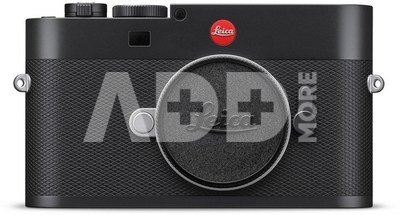
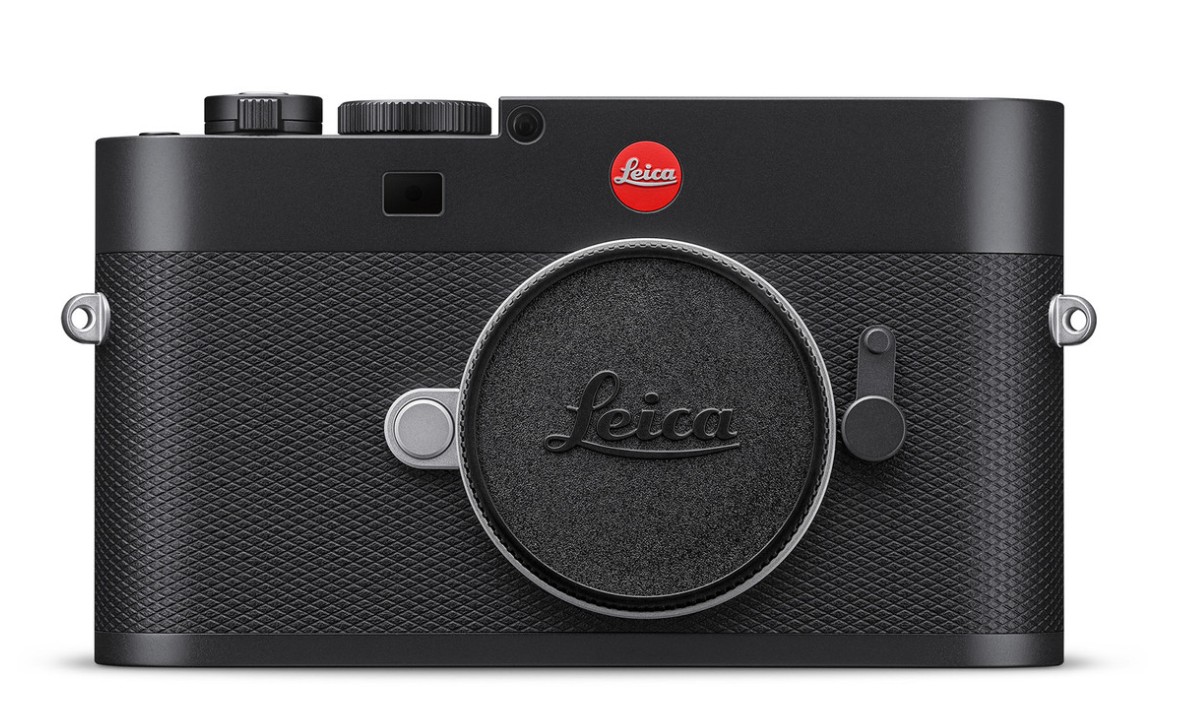
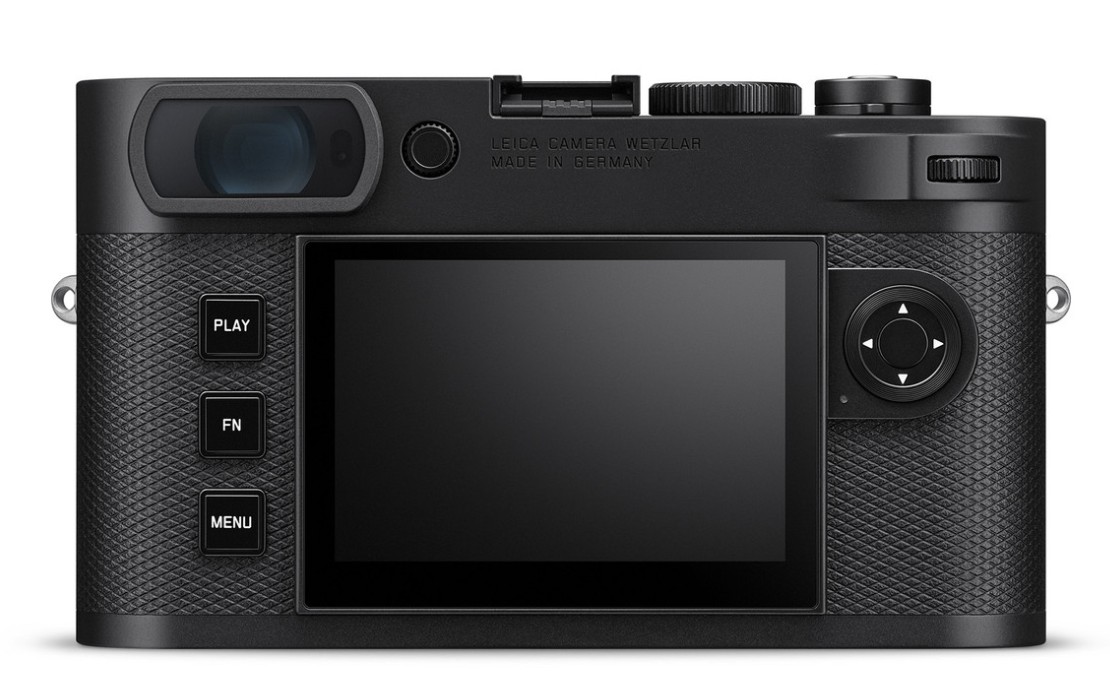
Leica M EV1 is a digital full-frame Leica M system camera with an integrated electronic viewfinder. It is the first Leica M model where the traditional optical rangefinder is replaced by a high-resolution 5.76-million-dot OLED EVF. It allows the photographer to see the final frame, exposure, composition and focus area accurately in real time. The camera is based on the Leica M11 platform and features a 60.3 MP full-frame BSI CMOS sensor with Triple Resolution technology. It can shoot at 60 MP, 36 MP or 18 MP, always using the full sensor area. Leica M EV1 records images in DNG RAW and JPEG formats, uses the Leica Maestro III processor, has 64 GB of internal memory and supports SD memory cards. Unlike Leica Q series cameras, Leica M EV1 does not have an integrated lens. It is an M-mount system camera designed for Leica M lenses. Focusing remains manual, but the electronic viewfinder provides modern focusing aids such as focus peaking and focus magnification. This is especially useful when working with fast Summilux or Noctilux lenses, shooting close up or using wider and longer M lenses.
Who is it for?
Leica M EV1 is made for photographers who want the Leica M system experience, but prefer a more modern and precise way of composing through an electronic viewfinder. It is a camera for those who enjoy manual focusing, Leica M lenses and a slower, more deliberate photographic process.
This model is especially suitable for street photography. Its compact body, quiet operation, minimalist controls and compatibility with classic M lenses allow the photographer to work discreetly, quickly and creatively.
For documentary and reportage photography, Leica M EV1 provides high image quality, natural Leica color rendering and the ability to see exposure accurately before taking the shot. The EVF is especially helpful in challenging light, where it is important to see highlights, shadows and the overall balance of the frame.
For portraits, this camera is attractive because it allows more precise focusing with fast M lenses. Focus peaking and focus magnification help to focus accurately on the eyes or a selected detail, especially when working with a shallow depth of field.
For travel, Leica M EV1 is ideal for photographers who want a compact, premium-quality system with interchangeable lenses. The 64 GB internal memory allows shooting even without an SD card, while Wi-Fi, Bluetooth and the Leica FOTOS app make it easier to transfer images to a phone.
Main advantages
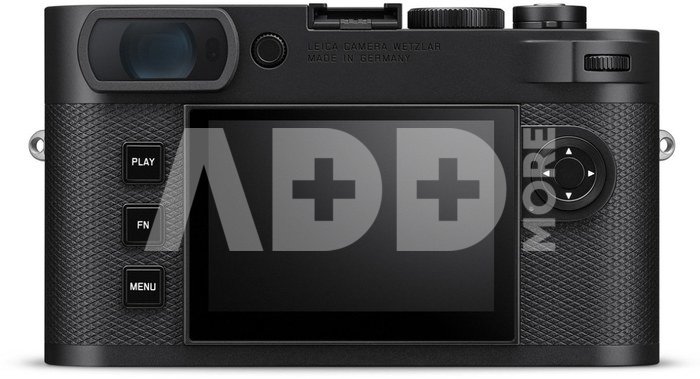
The biggest distinction of Leica M EV1 is the integrated electronic viewfinder. It replaces the traditional M-series optical rangefinder and allows the photographer to see the exact lens view, real exposure, white balance, focusing assistance and other information before pressing the shutter.
The 60.3 MP full-frame sensor provides very high detail, wide dynamic range and plenty of freedom to crop after shooting. This is important for professional work, high-quality prints, archiving and gallery projects.
Triple Resolution technology allows you to choose between 60 MP, 36 MP or 18 MP files. This is useful when maximum detail is needed in one situation and smaller files are more convenient in another.
Manual focusing with focus peaking helps to work more accurately with Leica M lenses. The traditional M shooting principle remains, but the EVF adds extra precision, especially with fast, close-focusing or longer focal length lenses.
64 GB of internal memory is a practical advantage for travel and everyday photography. Even if an SD card is not available, the camera can still save images to internal memory.
Content Credentials technology helps verify the origin and authenticity of images. This is useful for documentary photography, journalism and situations where it is important to show that an image has not been generated or altered in an unclear way.
Comparison with alternatives
Compared with Leica M11, the main difference is the viewfinder. Leica M11 keeps the classic optical rangefinder, while Leica M EV1 uses an integrated electronic viewfinder. If you want the traditional M experience, M11 will feel more familiar. If accurate exposure preview, focusing and final framing through an EVF are more important, M EV1 is the more practical choice.
Compared with Leica M11-P, Leica M EV1 offers similar 60 MP image quality and Content Credentials technology, but the shooting experience is different. M11-P is more focused on the classic Leica M rangefinder experience, while M EV1 is built around a more modern manual focusing workflow through an electronic viewfinder.
Compared with Leica Q3, M EV1 is a system camera with interchangeable M lenses. Leica Q3 has a built-in 28 mm autofocus lens and is simpler for everyday use. Leica M EV1 is better suited for photographers who already own or want to use the M lens system.
Compared with Leica SL3, M EV1 is more compact, more minimalist and focused on manual focusing. SL3 is a more universal hybrid system with autofocus and video features, while M EV1 is a purer photography tool without unnecessary functions.
Design and use
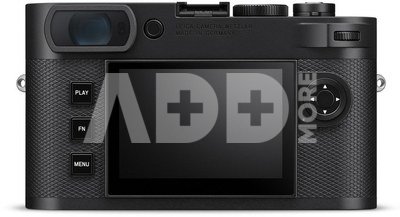
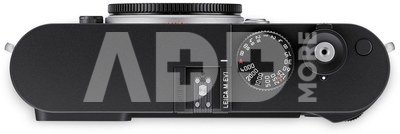
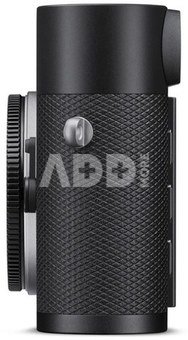
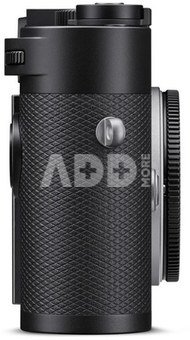
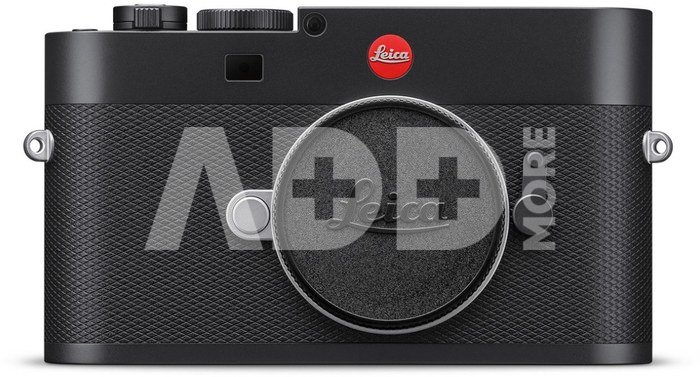
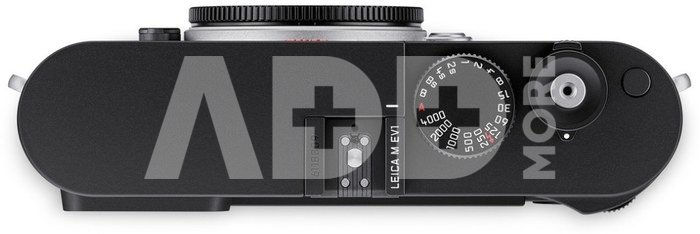
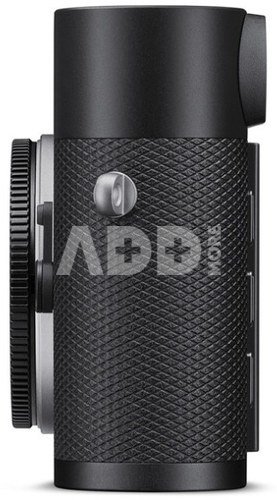
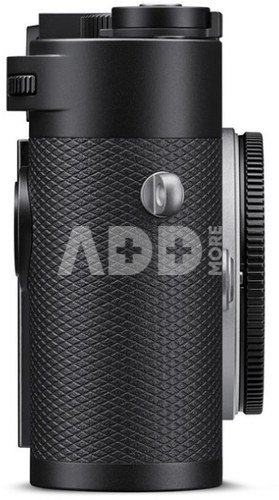
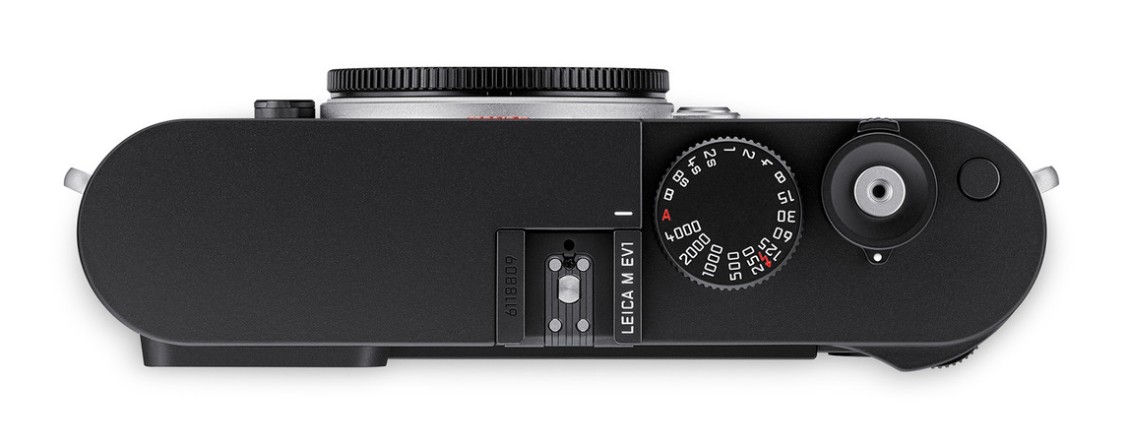
Leica M EV1 keeps the classic Leica M design: a minimalist body, physical controls, compact shape and high-quality materials. It is a camera that looks traditional, but inside it offers a more modern solution for composing and focusing.
The electronic viewfinder provides 100% frame coverage, 0.76× magnification, 60 fps refresh rate and diopter adjustment from -4 to +2. The rear screen is a 2.95-inch TFT LCD with Gorilla Glass protection, touch control and 2,332,800-dot resolution.
The camera has a mechanical shutter up to 1/4000 s and an electronic shutter up to 1/16000 s. Continuous shooting reaches up to 4.5 fps. This is not a camera for sports or fast action — its strength is precise, thoughtful photography and high image quality.
Why choose it?
Leica M EV1 is worth choosing when you want the Leica M system, but the classic optical rangefinder feels too limited or not convenient enough. The integrated EVF allows more precise work with different M lenses, shows the real frame and makes manual focusing easier.
It is a camera for photographers who want a slower, more conscious and more controlled shooting process. It does not try to be an all-in-one hybrid camera — there is no autofocus and no video recording. Leica M EV1 is made for photography, manual focusing and the character of Leica M optics.
If maximum simplicity, autofocus and versatility are important, Leica Q3 or the SL series may be more practical choices. But if you want Leica M aesthetics, M lenses, a 60 MP sensor and a modern electronic viewfinder, Leica M EV1 is a very distinctive option.
FAQ
Is Leica M EV1 a digital camera?
Yes, it is a digital full-frame Leica M system camera.
Does Leica M EV1 have an optical rangefinder?
No. Instead of the classic optical rangefinder, this model has an integrated OLED electronic viewfinder.
Does Leica M EV1 have autofocus?
No. The camera is designed for manual focusing with Leica M lenses.
Can the lenses be changed?
Yes. Leica M EV1 uses the Leica M mount and is compatible with M system lenses.
Does Leica M EV1 record video?
No. It is a photography-focused camera without video recording.
Does it have internal memory?
Yes. The camera has 64 GB of internal memory and also supports SD cards.
Is it suitable for beginners?
Technically yes, but due to manual focusing, price and the specific nature of the Leica M system, it is better suited for enthusiasts and professionals.
Is it good for street photography?
Yes, especially for photographers who enjoy manual focusing, a compact body and the character of Leica M lenses.
Specifications
Camera type: digital full-frame Leica M system camera
Mount: Leica M
Sensor: 60.3 MP full-frame BSI CMOS
Sensor resolution: 9528 × 6328 px
Processor: Leica Maestro III
File formats: DNG, DNG + JPG, JPG
Resolution modes: 60.3 MP, 36.5 MP, 18.4 MP
Digital zoom: 1.3× and 1.8×
Color depth: DNG 14-bit, JPG 8-bit
ISO: 64–50,000
Focus: manual, with Focus Peaking and focus magnification
Viewfinder: OLED EVF, 5,760,000 dots
EVF refresh rate: 60 fps
EVF magnification: 0.76×
Frame coverage: 100%
Diopter correction: -4 to +2 dpt
Screen: 2.95" TFT LCD, Gorilla Glass, touchscreen
Screen resolution: 2,332,800 dots
Shutter: mechanical and electronic
Mechanical shutter speed: up to 1/4000 s
Electronic shutter speed: up to 1/16000 s
Flash sync speed: up to 1/180 s
Continuous shooting: up to 4.5 fps
Exposure modes: A, M
Exposure compensation: ±3 EV in 1/3 EV steps
Metering: Spot, Center-Weighted, Multi-Field, Highlight-Weighted
Video: no
Internal memory: 64 GB
Memory cards: SD / SDHC / SDXC
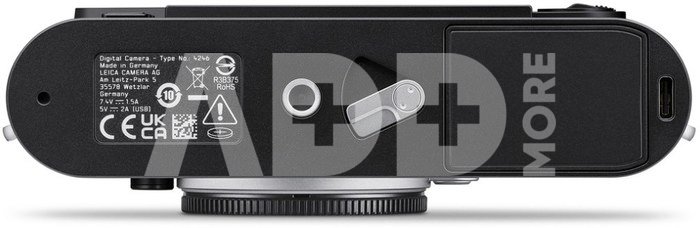
Connections: USB-C, hot shoe
Wireless: Wi-Fi, Bluetooth, Leica FOTOS app
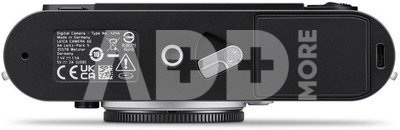
Battery: Leica BP-SCL7
Battery life: approx. 244 shots with LCD, approx. 237 shots with EVF according to CIPA
Dimensions: approx. 138.8 × 80.3 × 38.45 mm
Weight: approx. 495 g with battery
Color: black
Effective pixels
60.3 mln. pixels
Sensor60.3 MP full-frame BSI CMOS sensor
Sensor Chip (inch)Full frame
Discuss with a consultant in Kaunas
We don't haveKlaipėdaAddress: Birželio 23-iosios g. 23gWorking hours: I-V 09:00 - 18:00VI-VII not workingPhone: +370 674 59488
Discuss with a consultant in Klaipėda
We don't haveKlaipėdaAddress: Taikos pr. 17Working hours: I-V 10:00 - 19:00VI 10:00 - 14:00VII not workingPhone: +370 604 43972
Specification
Performance
Producer(?)
Link to the official manufacturer website
Leica
Effective pixels
60.3 mln. pixels
Sensor
60.3 MP full-frame BSI CMOS sensor
Sensor Chip (inch)
Full frame
Maximum Resolution
9528 × 6328
Optical viewfinder
No, integrated electronic OLED EVF, 5.76 million dots
ISO rating
ISO 64–50000
Auto Shift ISO
ISO 64–50000
ISO Manual
ISO 64–50000
Max. Light Sensitivity (ISO)
50000
Digital zoom
1.8 x
Image stabilization
No
Colour Depth (bit)
DNG 14-bit, JPG 8-bit
Focus
Manual focus with Focus Peaking and focus magnification
1. What are the main features to consider when choosing a digital camera?
When choosing a digital camera, it's important to consider several key features to ensure it meets your needs. First, define your goals: will it be for everyday photos, professional photography, or a compact travel camera? Choose the appropriate sensor size, which directly affects photo quality and performance in low light conditions. Consider the number of megapixels – more doesn’t necessarily mean better quality. Select the right lens based on your needs. It's also essential to take into account the camera’s size, weight, ease of control, battery life, recording formats, flash capabilities, and connectivity with other devices. Don’t forget your budget – choose something within your means. Before purchasing, it's important to read reviews and do thorough research to ensure you’ll be satisfied with your choice.
2. How to understand and use the digital camera's menu system and settings?
The digital camera's menu system may initially seem complicated, but it's important to understand the basic settings. Experienced photographers often experiment with different settings, but beginners are recommended to familiarize themselves with the main settings such as ISO and aperture. Most cameras come with a user manual, and there are plenty of online tutorials that can help you quickly grasp the menu systems and settings. The key is to experiment, as this will help you better understand how different settings work and how to use them optimally in different shooting conditions.
The website uses cookies, which help you ensure quality of service. Continuing browsing, you agree with fotoaparatas.eu cookies policy.Agree




















Reviews
0 average rating (0 votes)