+370 462 46444
I-V 10:00-19:00
VI 10:00-14:00

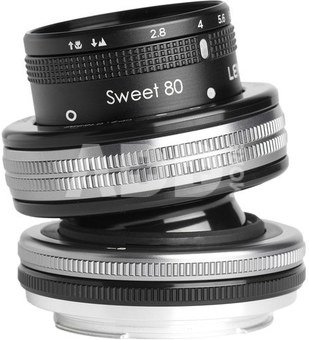
Lensbaby Composer Pro II with Sweet 80 Optic for Canon RF

Lensbaby Composer Pro II with Sweet 80 Optic for Canon RF
-23%
Code: 141365548VOK
Manufacturer code: LBCP2S80CRF
Add to wishlist
EU warehouse
Delivery 8-10 w.d.
EAN
850024037878
Choose properties
Color
305.12 399.00
Extended warranty
Product insurance

Pick up for free in the store in Kaunas (Birželios 23-iosios str. 23g) Rugpjūčio 22 d.

Pick up for free in Klaipėda, in the store (Taikos pr. 17) Rugpjūčio 22 d.

We will deliver to your home via courier service Rugpjūčio 24 d.

Turite klausimų? +370 462 46444 Send request

DescriptionLensbaby Composer Pro II with Sweet 80 Optic for Canon RF description

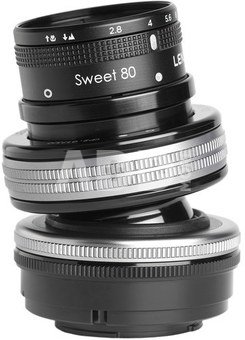
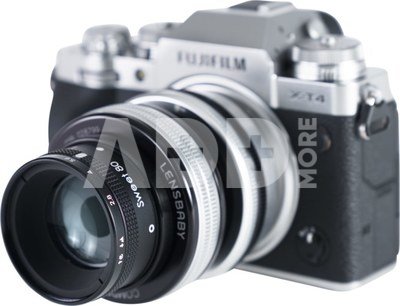
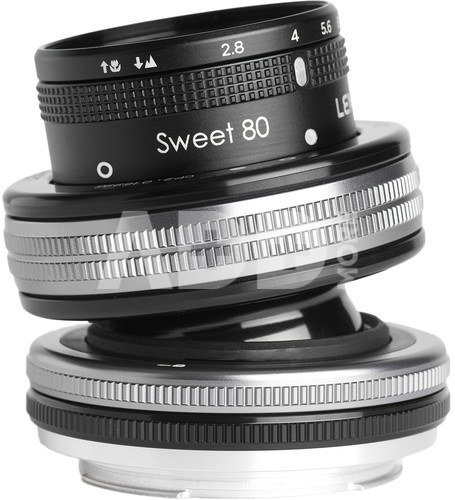
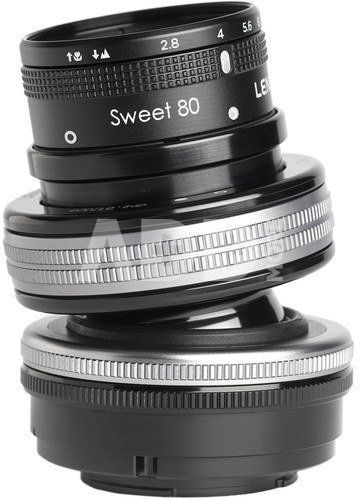
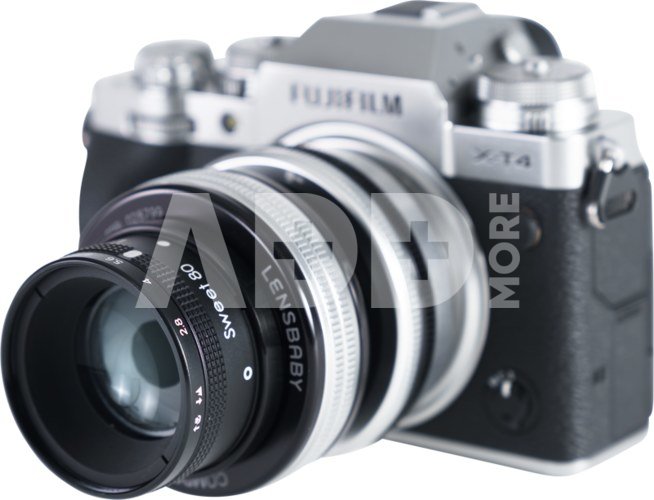
Discover a new perspective with the Composer Pro II with Sweet 80. Place your subject in a sharp sweet spot of focus framed by beautiful blur.Composer Pro II comes with the Sweet 80 lens. Lenses are swappable and is designed to be used in conjunction with the Optic Swap System. Compared to a traditional lens where you are limited to focusing on a plane that is parallel to the image sensor the Composer Pro II has an ball-and-socket joint design that lets you tilt the lens 15° any direction.Composer Pro II with Sweet 80 Optic is an 80mm f/2.8 lens that brings our classic "sweet spot" look to portrait photographers or anyone looking for selective focus at longer focal lengths.The updated Composer Pro II also features a metal body with new improved tilt function which makes it easier to control your focus area.Optical contruction consists of 2 elements in 1 groups with anti-reflective coating to minimize and reduce flare and ghosting. Aperture can be changed from f/2.8 to f/22 and minimum focusing sitance is 380mm Precise control for selective focus Swappable lens and compatible with Lensbaby’s Optic Swap system Metal body Angle of tilt: 15 degrees 12-blade aperture diaphragm for smooth out-of-focus elements Availble for several different mounts

Delivery time 8-10 w.d.

Discuss with a consultant in Kaunas

We don't have Klaipėda Address: Birželio 23-iosios g. 23g Working hours: I-V 09:00 - 18:00 VI-VII not working Phone: +370 674 59488
Kaunas

Discuss with a consultant in Klaipėda

We don't have Klaipėda Address: Taikos pr. 17 Working hours: I-V 10:00 - 19:00 VI 10:00 - 14:00 VII not working Phone: +370 604 43972
Klaipėda
Specification
Producer(?) Lensbaby
Type
Stabilization
Размер кадра
Delivery time 8-10 w.d.
Focus
Product codes

141365548VOK LBCP2S80CRF 850024037878 0850024037878

Reviews

0 average rating (0 votes)

 0
 0
 0
 0
 0

Leave a comment

Only registered users can rate.

Customer reviews (0)

There are no reviews. Be first!

1. How to choose the right lens for a mirrorless camera?

When choosing the right lens for a mirrorless camera, it is important to consider your photography needs and style. First, decide on the resolution and focusing distance you require. For portraits, lenses with a wide aperture, such as a 50mm f/1.8, are often preferred. If you enjoy landscapes, go for a wide-angle lens (e.g., 24mm). To capture distant objects, telephoto lenses (e.g., 70-200mm) are useful. Another important factor is the lens’s light-gathering ability, which affects performance in low-light conditions. A stabilization system can also be important, especially for longer lenses. It’s important to evaluate the build quality of the lens and the manufacturer's reputation. Try out several lenses and consider your future needs to choose the right and long-lasting investment in your photography.

2. Are all lenses compatible with all mirrorless cameras?

Not all lenses are universal for all mirrorless cameras. Different manufacturers may have different mounts, so it is important to check the lens compatibility with your camera. For example, lenses for Canon, Nikon, Sony, and other manufacturers' mirrorless cameras may not be interchangeable without adapters. It is also important to consider the sensor size. APS-C lenses may be disproportionately large for full-frame cameras. Before purchasing a lens, it is advisable to check the manufacturer's compatibility chart and consider the specific requirements of your camera. Adapters can allow the use of third-party lenses, but there may be some loss in functionality or quality.