



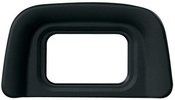
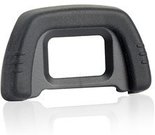
1. How to choose the right viewfinder based on your photography needs?
The choice depends on personal preferences and your photography style. If you value the classic feel of traditional photography habits, opt for an optical (optical-direct) viewfinder. Optical viewfinders show you what’s through the lens directly and offer a natural image, but they can sometimes be harder to use, especially in low-light conditions. Electronic viewfinders (EVF) are becoming increasingly popular due to their advanced functionality. They display a digital image on a small screen and provide a wealth of information, including histograms and real-time exposure results. This is particularly useful when working with digital editing tools or shooting videos. When considering a viewfinder, pay attention to its technical specifications, such as color accuracy, resolution, and speed. For photographers who prioritize creativity, high resolution can be an important factor. It is important to test different viewfinders and consult with other photographers to select one that meets your personal needs.
2. How does the viewfinder perform in low light conditions?
The performance of a viewfinder in low light conditions can vary depending on the type. An optical viewfinder relies on the light from the lens, so in low light, it may be limited due to reduced visibility. Electronic viewfinders (EVF), which operate using digital signals, can be brighter and more dynamic in low-light environments. They can automatically adjust to lower light conditions, increasing brightness, contrast, and color saturation, making it easier for photographers to shoot in low light. However, some cheaper models may experience noise or reduced quality in low light. Still, advancements in technology and the release of new models continuously improve the adaptability of viewfinders under different conditions, including low-light scenarios.












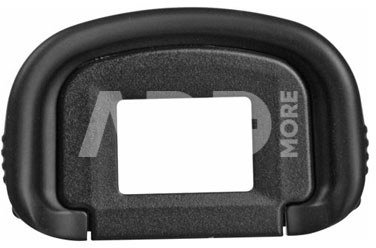
Reviews
0 average rating (0 votes)