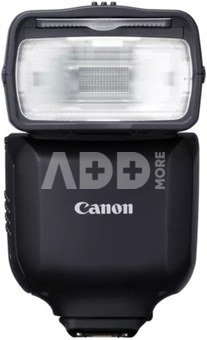
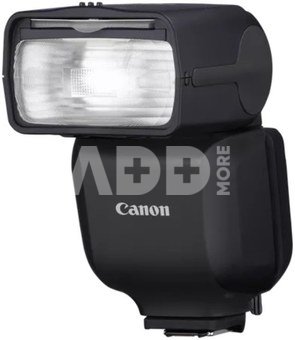
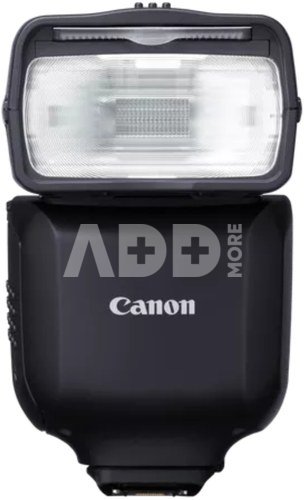
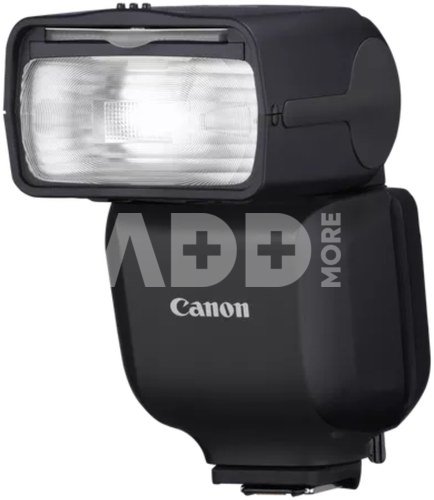
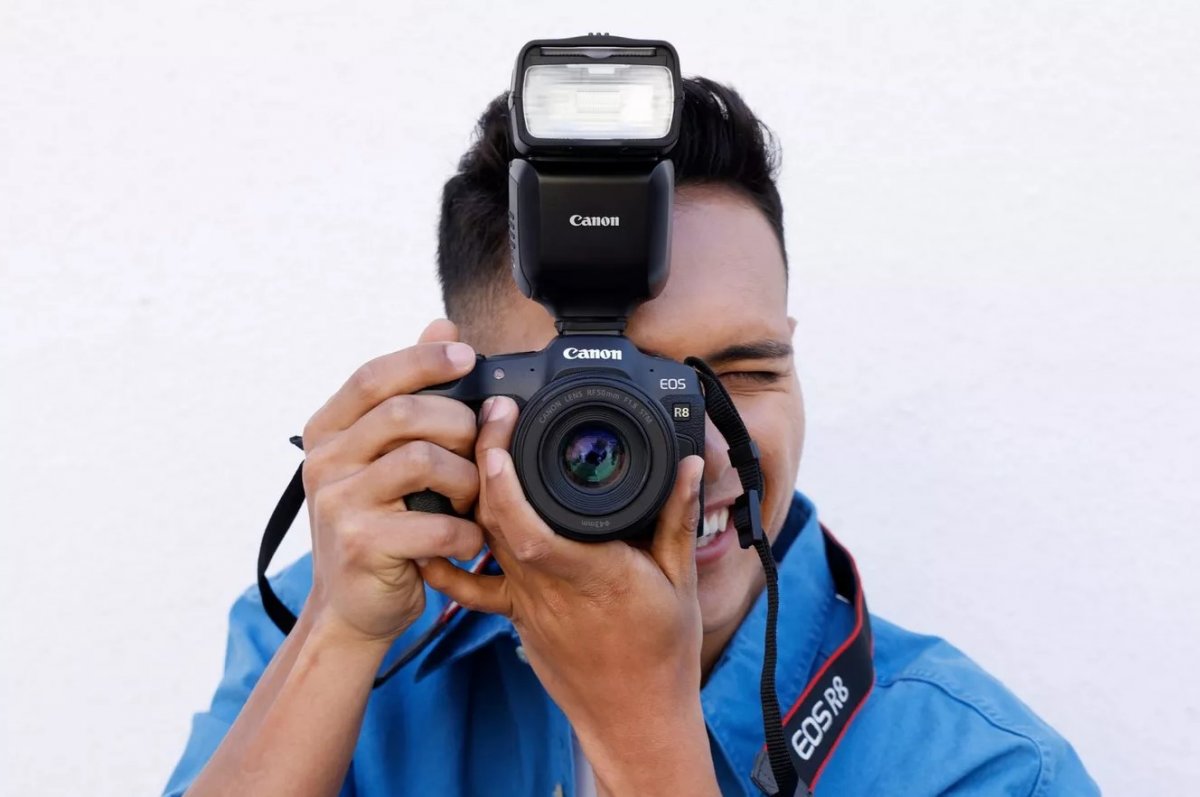
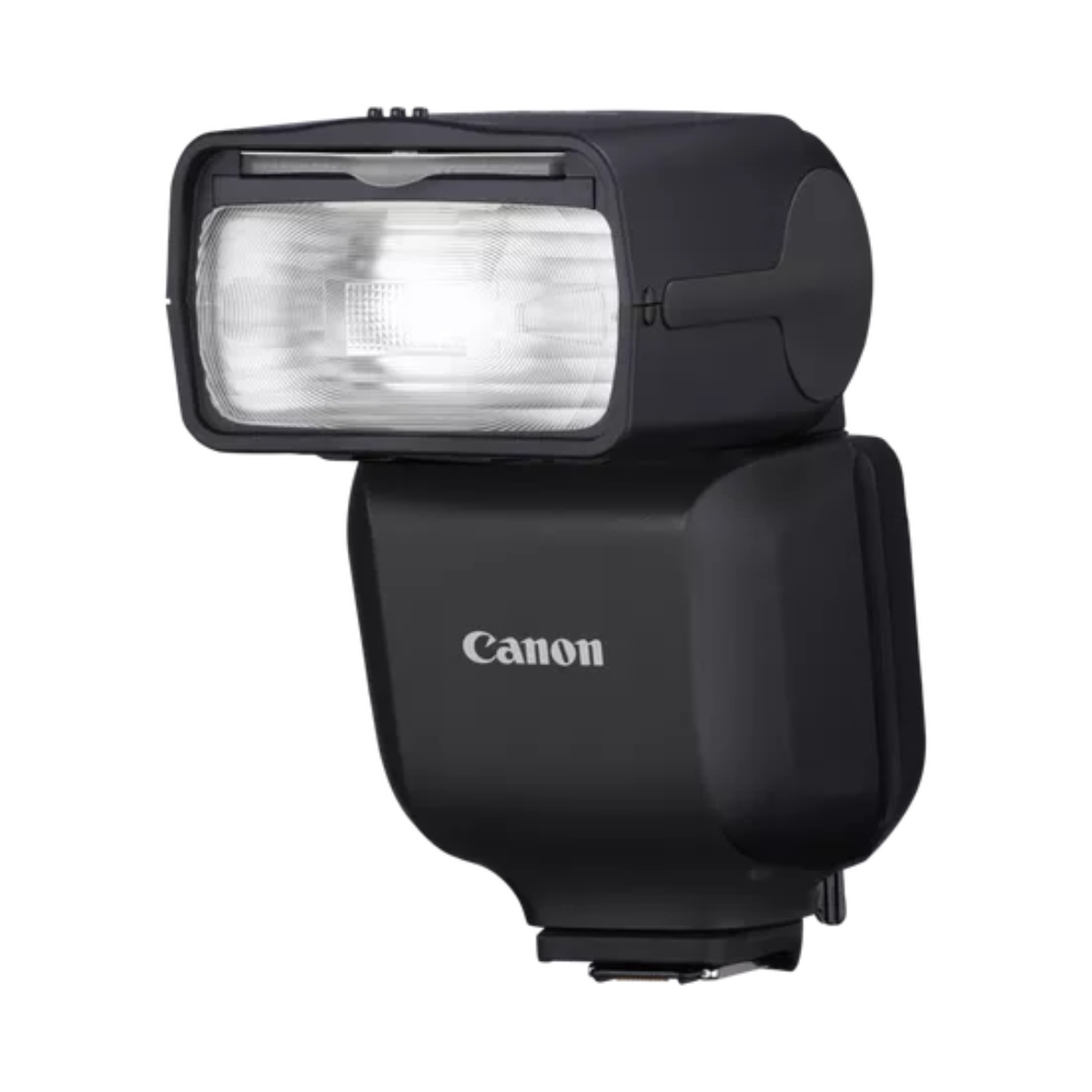
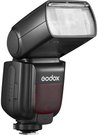
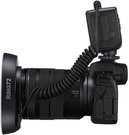
Canon SPEEDLITE EL-10 Flash - a powerful and versatile camera flash with upgraded communication for greater control and creativity. Take your creative ambitions further with Canon’s Speedlite EL-10. Control the light to add depth and emotion to your portraits, with improved camera communication for a quick and easy operation.
BRING YOUR PORTRAITS TO LIFE
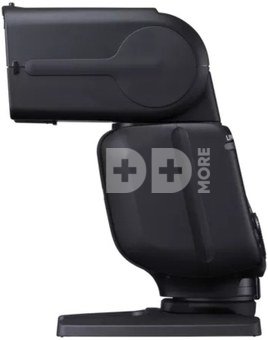
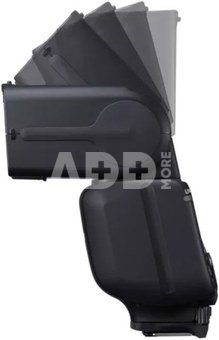
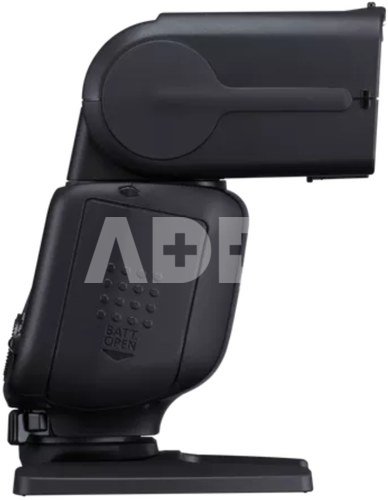
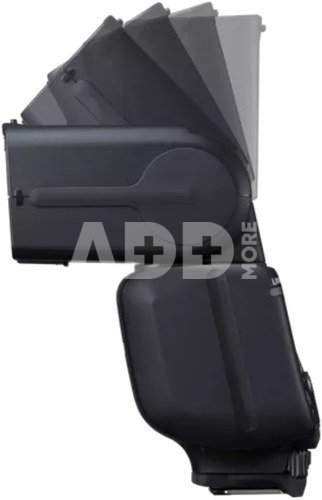
Control the light with a horizontal and vertical bounce, and a versatile power range of 1/1 to 1/1024 for a softer look. Plus, get that extra sparkle in the eye thanks to a catchlight panel.
LIGHTWEIGHT AND ADAPTABLE
Tweak your settings on the go with the electronic dial, or enable the E-TTL II auto flash to instantly adjust to the correct exposure. It’s also light to carry – perfect for travel or for a longer shoot.
EMPOWER YOUR CREATIVITY
The Speedlite EL-10 is your trusted companion, with a wireless camera flash that recharges in just 1.5 seconds, 24-105mm of zoom coverage, and a powerful output with a guide number of 40.
SHOOT WITH CONFIDENCE
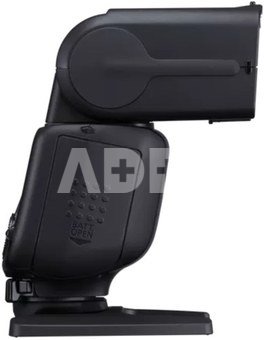
Powered by four AA batteries, this Speedlite flashgun will last at least 260 full power shots. Keep an eye on your battery level and easily adjust settings on the LCD panel, even when the light drops.
INTELLIGENT AND INTUITIVE
The 21-pin multi-function foot enables quick communication with the EOS R-system cameras. Adjust settings straight from your camera screen, preset up to three custom modes, and even operate remotely through your Camera Connect App.
SPECIFICATIONS
Guide Number: 40 m at ISO 100
Zoom Head: Auto/Manual
Coverage with Wide Panel: 14 mm
Auto Zoom for Sensor Size: Yes
Auto Exposure Control: E-TTL II / E-TTL
High Speed Sync (FP): Yes
Manual / Output Settings: Yes - 1/1 to 1/1024
Manual Steps: 1/3-stops
Continuous Flashes in a Burst: Maximum at full power - approx. 65
Strobe / Output Settings: Not supported
Stroboscopic Frequency: Not supported
FE Lock: Yes
FE Memory: Yes
Flash Exposure Compensation: ±3 stops
Flash Exposure Bracketing: ±3 stops
Second-Curtain Flash Sync: Yes (including wireless)
Modelling Flash: No (supported as off-camera receiver unit only)
Modelling Lamp: No
Colour Temperature Info Communication: Yes
Transmitter: Yes
Transmission Type: Radio only
Transmitter Range: 30 m (approx.)
Receiver: Yes
Max. Number of Transmitters / Receivers: 15 / 15 (16 in total of any combination)
Number of Groups: 5 (A/B/C/D/E)
Number of Channels: Auto, 1-15
Remote Shutter Release: Yes
Flash Head Movement: up 45, 60, 75, 90°; down 0°; left: 60, 75, 90, 120, 150°; right: 60, 75, 90, 120, 150, 180°
AF-Assist Beam: Flash strobe
Battery: 4 x AA batteries
Minimum Recycling Time: approx. 0.1-2.5
Number of Flashes (Fully Charged Battery): 210-1400
External Power Supply: No
Dust and Water Resistance: No
Active Cooling: No
Mounting Foot Material: Multi-Function Shoe
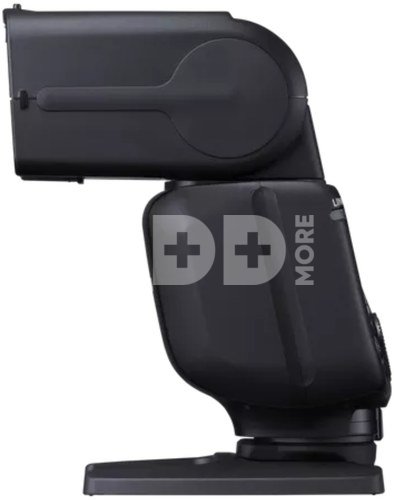
Dimensions (width x height x depth): approx. 70.6 x 116.3 x 98.3 mm
Weight: 287 g
Delivery time5-19 w.d.
Number of flash heads
1 pcs.
TypeSPEEDLITE
Discuss with a consultant in Kaunas
We don't haveKlaipėdaAddress: Birželio 23-iosios g. 23gWorking hours: I-V 09:00 - 18:00VI-VII not workingPhone: +370 674 59488
Discuss with a consultant in Klaipėda
We don't haveKlaipėdaAddress: Taikos pr. 17Working hours: I-V 10:00 - 19:00VI 10:00 - 14:00VII not workingPhone: +370 604 43972
The choice depends on your photography needs. First, pay attention to your camera type and model, as not all flashes are compatible with all devices. Then, consider several important factors, such as power and features, like remote control. Evaluate the flash power and control functions according to your needs: for illuminating photos, portraits, or professional photography. Also, consider the importance of mobility and the power source (usually batteries). If you're a beginner, it may be worth considering simpler flashes with automatic features. Professionals may find it important to choose flashes with many adjustment options. Most importantly, choose a flash that fits your needs and allows you to expand your photography possibilities.
2. How to Avoid Too Bright or Too Shadowed Flash Effects in Photos?
Too bright or too shadowy a flash can affect the quality of your photo. To avoid overly intense light effects, adjust the flash power based on ambient lighting. If the flash is too shadowy, try using a light diffuser or bouncing the light off surfaces to reduce the contrast between light and dark areas. You can also try directing the flash toward the ceiling or other surfaces so the light bounces and spreads in the environment. Experiment with settings to achieve a balanced and natural result.
The website uses cookies, which help you ensure quality of service. Continuing browsing, you agree with fotoaparatas.eu cookies policy.Agree
















Reviews
0 average rating (0 votes)