Panasonic DMW-YAGHE Video Interface
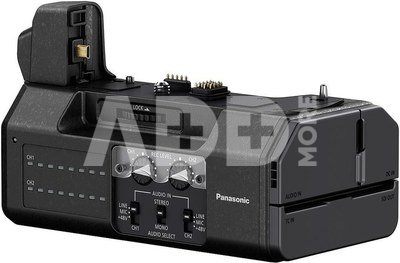
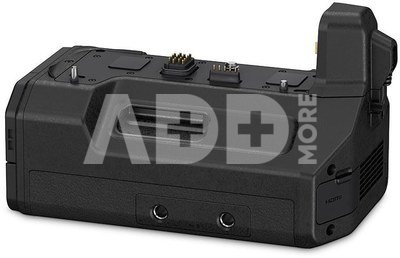
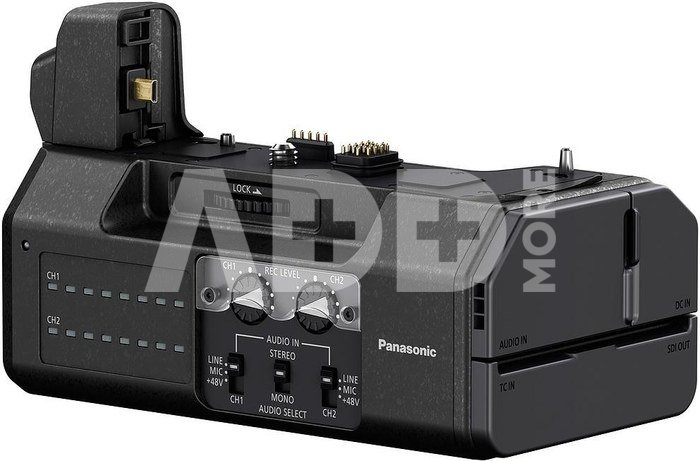
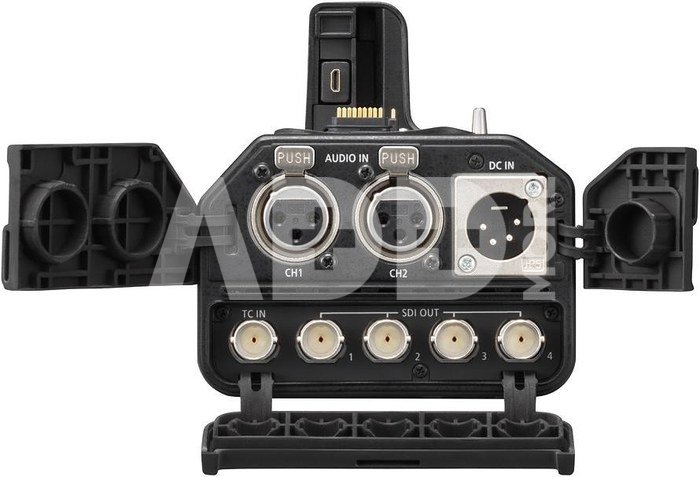
The Lumix DMW-YAGH Interface Unit for GH4 from Panasonic is designed to give the Lumix DMC-GH4 camera the video, audio, and power connectivity required for professional video workflows. When attached to the GH4, the Interface Unit has 2 monaural XLR inputs for line or condenser microphones, and gives you independent volume control of the left and right channels. There is also an audio level display monitor and +48V of phantom power for each channel.
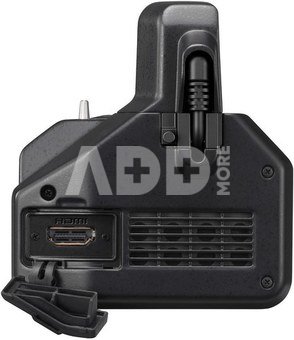
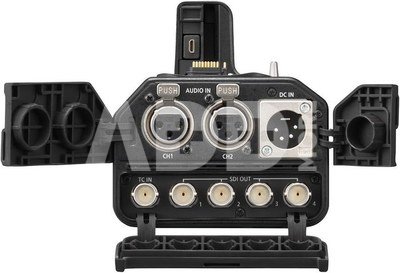
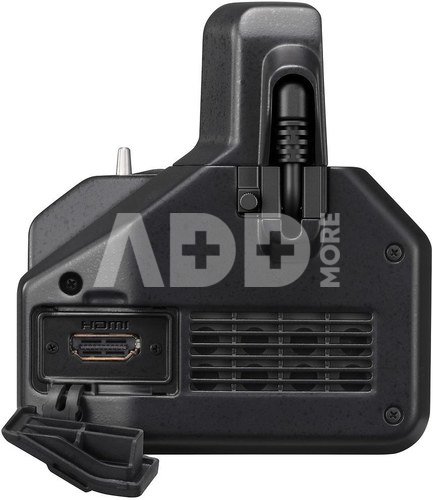
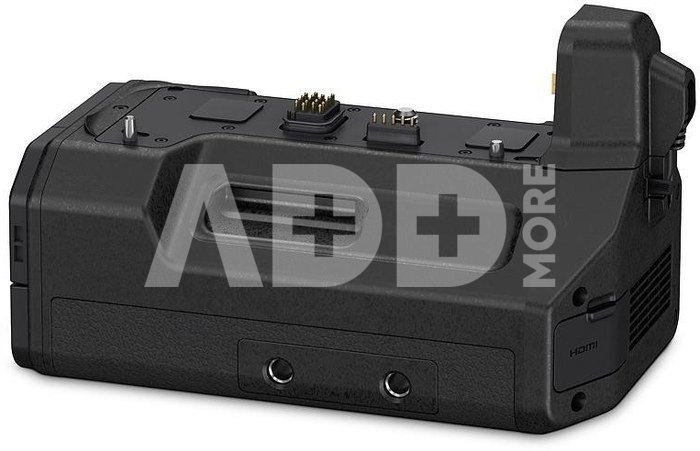
When it comes to video outputs, the Interface Unit provides four BNC connectors - two 3G-SDI capable and two HD-SDI capable. It outputs quad-link SDI 4K video in 4:2:2 10-bit, dual-link 4:2:2 10-bit 1080p up to 50 fps, or four simultaneous 1080p streams up to 25 fps - all with timecode. The Interface Unit also has a BNC connector for timecode input, and converts the GH4's micro HDMI output to a full-sized HDMI output. For power, a 4-pin XLR 12VDC input is available.
Input and output:
- TC in: BNC × 1, 1.0-4.0 V [p-p], 10 kΩ
- Audio in: XLR (3-pin) × 2, High impedance
LINE / MIC / +48 V (switchable) / LINE: 0 dBu/MIC: -50 dBu/+48 V: Phantom +48 V compatible, -50 dBu
- SDI out: BNC x 4, 0.8 V [p-p], 75 kΩ/Embedded audio: 2 channel, embedded timecode
- HDMI out: HDMI type A (VIERA link not supported), 2 channels (linear PCM)
Video:
- Cinema 4K (4096 × 2160 [24p])
- QFHD: 3840 × 2160 [29.97p]; 3840 × 2160 [25p]; 3840 × 2160 [24p]; 3840 × 2160 [23.98p]
- FHD: 1920 × 1080 [59.94p] (3G-SDI Level-A/B); 1920 × 1080 [50p] (3G-SDI Level-A/B); 1920 × 1080 [59.94i]; 1920 × 1080 [50i]; 1920 × 1080 [29.97PsF]; 1920 × 1080 [25PsF]; 1920 × 1080 [24PsF]; 1920 × 1080 [23.98PsF]
- HD: 1280 × 720 [59.94p]; 1280 × 720 [50p]
- Color sampling: Y:Cb:Cr=4:2:2
- Bith depth: 8 bits / 10 bits
Audio:
- Sampling frequencies: 48 kHz (synchronized with video)
- Audio quantization: 16 bit
- Headroom: 12 dB
General:
- Power source: 12 V DC, 1.5A (including a digital camera)
- Operating temperature: 0°C - 40°C
- Operating humidity: 10% - 80% (no condensation)
- Dimensions: 160 × 64 × 91 mm
- Weight: 750 g
NB: When using 4:2:2/10-bit output, simultaneous video recording to an SDHC/SDXC memory card in the DMC-GH4 is not possible.
Discuss with a consultant in Kaunas
We don't have
Klaipėda Address: Birželio 23-iosios g. 23g Working hours: I-V 09:00 - 18:00 VI-VII not working Phone: +370 674 59488
Discuss with a consultant in Klaipėda
We don't have
Klaipėda Address: Taikos pr. 17 Working hours: I-V 10:00 - 19:00 VI 10:00 - 14:00 VII not working Phone: +370 604 43972
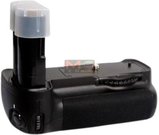
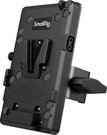
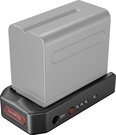
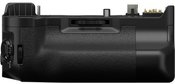
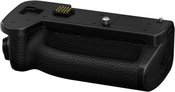
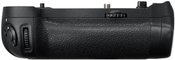
1. What is the camera battery grip for and why is it important?
A camera battery grip is designed to hold and store additional batteries, along with other necessary accessories such as memory cards or filters. It is important because it allows the photographer to have extra resources for longer photo sessions or trips without the need to search for batteries or accessories separately. The camera battery grip provides a way to install batteries into the camera, ensuring the camera gets the necessary power for its operation. The grip not only provides an electrical connection between the batteries and the camera but also protects the batteries from misuse or damage. This is important for ensuring the longevity and efficient functioning of the batteries. Most camera battery grips are designed for easy installation or removal of batteries, helping users manage their cameras conveniently, especially when changing batteries between sessions. Battery grips can have various connectors or electrical interfaces to ensure proper energy transfer between the batteries and the camera. These connections may also include protection from overcharging or short-circuiting.
2. Can a battery grip also function as an additional means to stabilize the camera?
A battery grip, typically mounted on the bottom of many cameras, can act as an additional means to stabilize the camera, but its stabilizing effect is limited. It can be considered an informal stand if placed on a flat surface. The battery grip allows the camera to be placed directly on a table or another stable surface, which is especially useful when using a grip with a non-flexible design. This type of grip can be beneficial when shooting for longer periods of time or recording videos where stability is important. However, the stabilizing effect of a battery grip is limited, as it is generally not designed as a specialized stabilization device. For better stability, most cameras use built-in or lens stabilization systems, which are more advanced and effective than a simple battery grip. A battery grip can be useful in certain situations, but for more reliable stabilization, it's better to use dedicated camera stands, tripods, or other professional stabilization equipment.

















Reviews
0 average rating (0 votes)